

Breaking Barriers: The Rise of Financial Inclusion for the Unbanked
The rapid evolution of digital currencies, particularly Bitcoin, is reshaping the financial landscape, offering novel solutions for those previously excluded from banking systems.With an estimated 1.7 billion people worldwide lacking access to traditional banking services, the potential for cryptocurrency to bridge this gap cannot be overstated. Individuals in remote areas or economically disadvantaged communities are now able to engage in peer-to-peer transactions, removing the barriers that have long impeded thier financial independence.
Cryptocurrency platforms are designed to be accessible via mobile devices, which are increasingly ubiquitous even among the unbanked. This technological accessibility fosters financial literacy and empowers users to participate in the global economy. key advantages include:
- Lower transaction costs: Digital currencies often have lower fees compared to conventional money transfer services.
- Immediate access: Users can execute transactions instantly without the need for intermediaries, making it easier to send and receive funds.
- Ownership of assets: Individuals can take full control of their financial resources without relying on traditional financial institutions.
Moreover, the rise of decentralized finance (DeFi) introduces additional opportunities for financial inclusion by providing services such as lending, savings, and investment without the need for a bank account. These platforms leverage smart contracts to ensure openness and trust, further enhancing their appeal to those wary of traditional banking. As we witness the convergence of technology and finance, we are likely to see an increasing number of individuals from previously underserved demographics actively participating in the economy, driving both individual empowerment and global financial innovation.
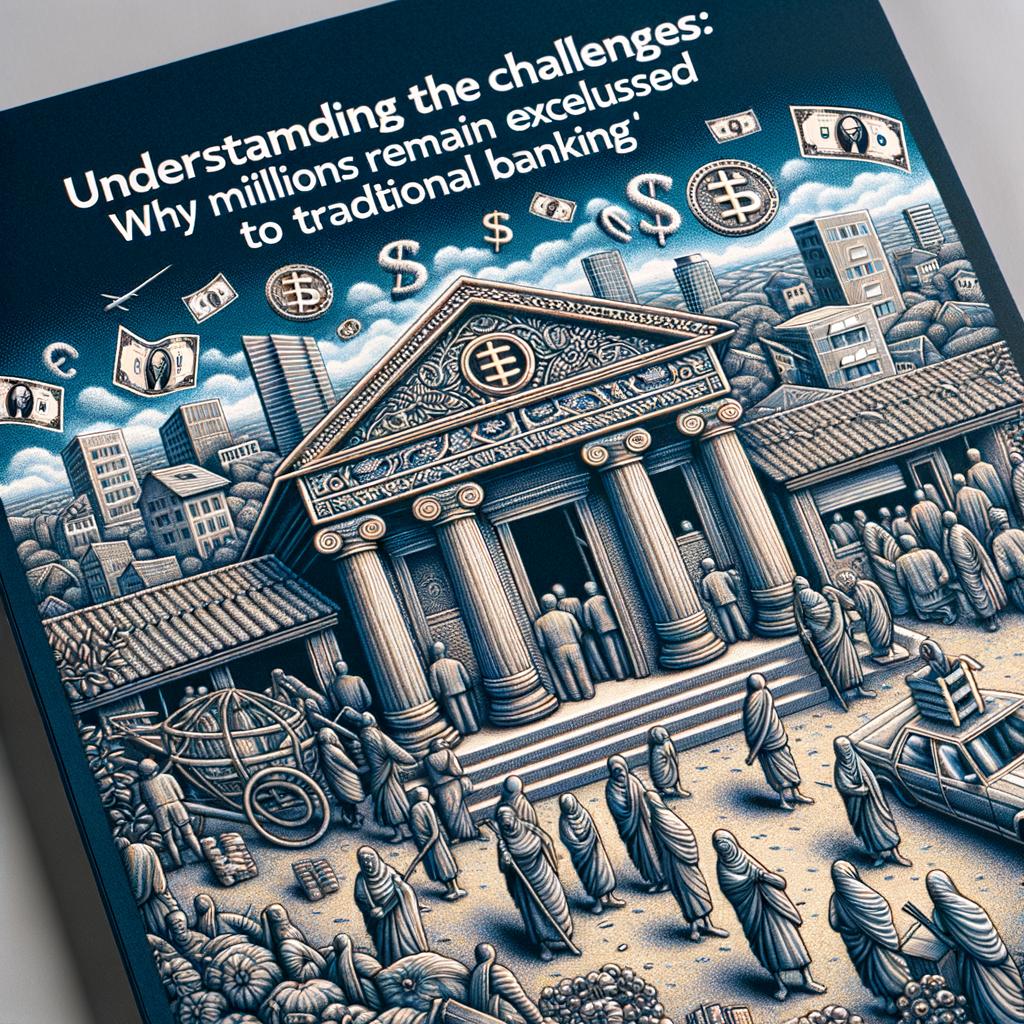
Understanding the Challenges: Why Millions Remain Excluded from Traditional Banking
Despite advancements in technology and financial services, millions remain marginalized and excluded from traditional banking systems. This exclusion is often driven by a combination of economic, geographic, and social factors. Many individuals lack the necessary documentation required to open a bank account,which can include government-issued IDs or proof of income. Moreover, those living in rural areas may not have access to physical banking locations, leaving them reliant on expensive alternatives like payday loans and check cashing services.
Moreover, the cost associated with maintaining a bank account can be prohibitive for low-income individuals. Banks frequently enough impose monthly maintenance fees, charges for low balances, and transaction fees that can accumulate quickly. For many, these additional financial burdens create a cycle of dependence on cash-based transactions that are less secure and more costly in the long term.This reality is heightened for individuals with unstable employment situations or those who receive government benefits, making traditional banking seem like an unattainable luxury.
Additionally, systemic biases contribute to this issue, as minority communities often face discrimination in lending practices. Ancient injustices such as redlining have compounded these challenges, leading to a lack of trust in financial institutions among those affected. Cultural barriers, including language differences and lack of financial education, further exacerbate the situation, leaving many feeling alienated from the financial system designed to serve them. Understanding these dynamics is crucial in identifying innovative solutions to promote financial inclusion for all individuals.
Innovative Solutions: Pathways to Empower the Unbanked in a Digital Age
In a world increasingly driven by digital transactions, the unbanked population faces significant challenges in accessing essential financial services.Without bank accounts or credit options, many individuals are excluded from economic participation and are left vulnerable to predatory services. Yet,innovative technology offers pathways to bring these underserved communities into the financial fold.
One promising solution is the rise of mobile banking platforms.These apps enable users to perform financial transactions via their smartphones, frequently enough without the need for traditional banking infrastructure. Key benefits of mobile banking include:
- Accessibility: People in remote areas can access financial services with just a mobile device.
- Low Fees: Many platforms offer competitive or lower fees than traditional banks, making it easier for low-income individuals to manage their finances.
- Financial Literacy: Built-in educational resources within these apps can empower users with knowledge on budgeting and saving.
Additionally, blockchain technology presents another avenue for financial inclusion. By utilizing decentralized ledgers, transactions can be processed transparently and securely without intermediaries. This technology not only reduces costs but also enhances trust among users, fostering greater participation in the financial ecosystem. Potential impacts of blockchain for the unbanked population include:
- Direct Access: Individuals can engage in peer-to-peer lending and trading, bypassing traditional banks.
- Identity Verification: Blockchain can offer secure identity solutions, allowing individuals to prove their identity without relying on formal documentation.
- Increased Financial Security: With fewer transactions going through conventional banks, users may feel safer from systemic risks.
As we conclude our exploration of financial exclusion and the unbanked, it becomes clear that understanding the complexities of this issue is crucial for fostering inclusive economic systems. The barriers faced by millions around the world are not merely personal hardships; they are a reflection of broader systemic failures that demand our attention and action. By addressing the root causes of financial exclusion – such as lack of access to banking services, insufficient financial literacy, and socioeconomic disparities – we can work towards innovative solutions that empower individuals and communities.
As technology continues to evolve, new opportunities arise to bridge the gap for the unbanked, whether through digital currencies, mobile banking, or localized community initiatives.It is essential for policymakers, financial institutions, and organizations to collaborate in creating equitable access to financial resources that can uplift the underserved.
The journey towards inclusivity is ongoing, and understanding the unbanked is just the beginning. in fostering discussions on this topic, we can inspire meaningful change that paves the way for a more inclusive financial future. Let us continue to advocate for those who remain on the fringes, ensuring that their voices are heard and their needs addressed in the evolving financial landscape.