
– Exploring the Satoshi Paradigm: Decoding the 2.1 Quadrillion Limit
at the heart of Bitcoin’s design lies the concept of scarcity, a revolutionary orientation that ensures its value.With a maximum supply capped at 21 million BTC, the granular unit known as the satoshi—each bitcoin being divisible into 100 million satoshis—creates an intricate structure of potential. This means that the total supply of satoshis reaches an astronomical figure of 2.1 quadrillion, or precisely 2,100,000,000,000,000. Understanding this boundary is crucial for stakeholders, as it underpins the economic mechanics of Bitcoin and relates closely to inflationary principles.
As the cryptocurrency market evolves,the implications of the satoshi limit become increasingly relevant. The limited supply is designed to mimic the scarcity of precious resources, such as gold, setting a foundation for value retention over time. This scarcity is complemented by factors that influence demand, including adoption rates, technological advancements, and broader economic climates. The interplay between these elements highlights how Bitcoin can function as a hedge against inflation, attracting investors seeking stable alternatives amidst volatile traditional markets.
Furthermore, the 2.1 quadrillion cap poses an intriguing scenario for future generations of users and investors. if bitcoin achieves widespread adoption, the value of each satoshi could transform dramatically; thus, making fractional ownership not just possible but necessary. The ability to transact in sub-satoshi units could become essential, necessitating innovations in technology and payment systems to accommodate microtransactions. as the framework surrounding this digital asset continues to shift, comprehending the implications of its supply limit will be vital in navigating the evolving landscape of cryptocurrencies.
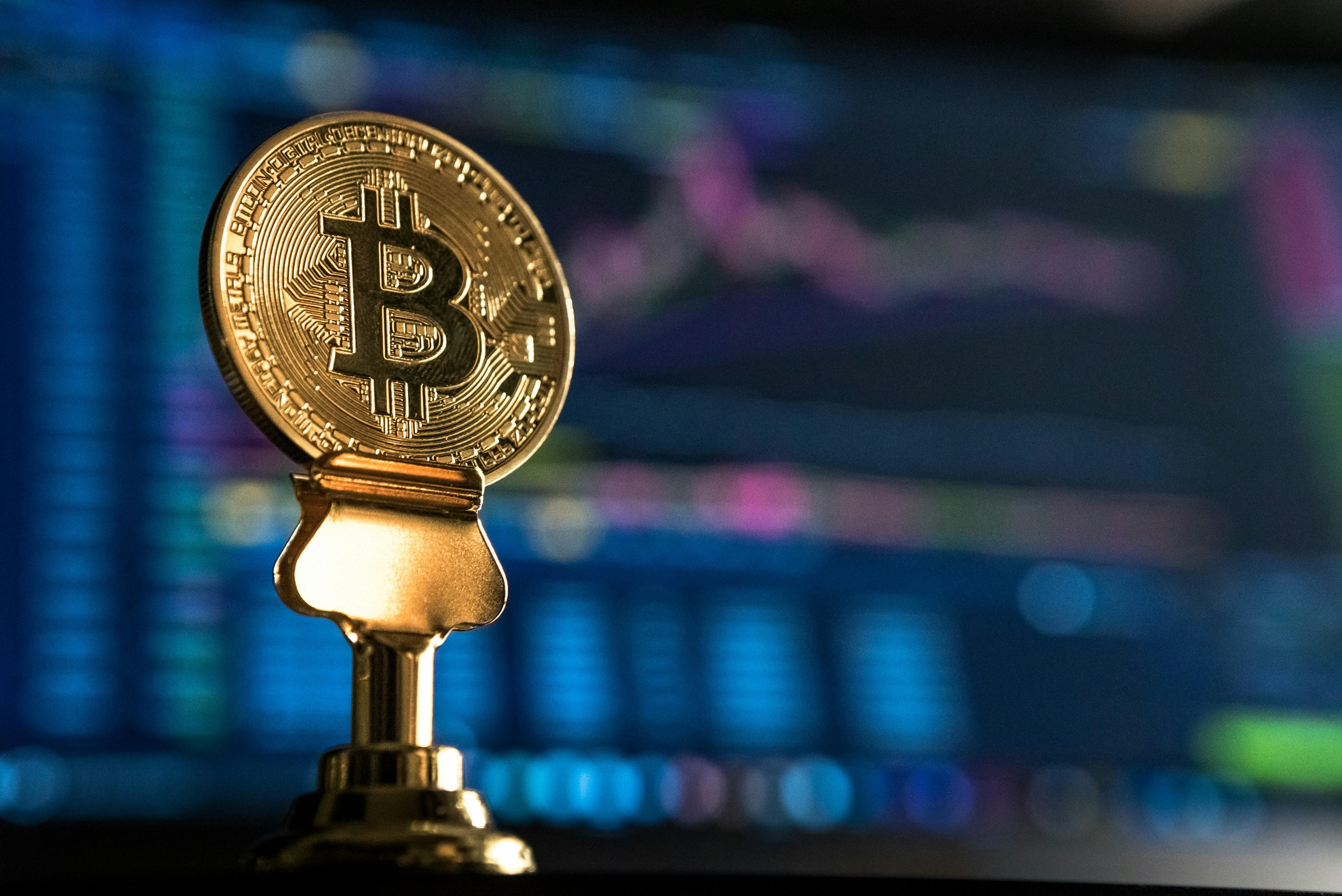
– Implications for Bitcoin’s Scarcity: Economic Theories and Market Behaviors
The introduction of a cap on Satoshi’s supply at 2.1 quadrillion presents a unique intersection of economic theory and market behavior that is critical to understanding Bitcoin’s role in the digital economy. This finite limit implies a deflationary characteristic inherent to the cryptocurrency, akin to precious metals like gold. As demand increases while supply remains static, the economic principles of scarcity dictate that the value of Bitcoin—divided into its smallest unit, the Satoshi—could ascend significantly over time. This scarcity creates an impetus for holding rather than selling, influencing investor behavior towards a more long-term outlook favorable for price stability.
Market behaviors are also shaped by the psychology surrounding scarcity.In traditional economics,perception of value often correlates directly with availability. with a clear ceiling on the number of Satoshis that can ever exist, market participants might develop speculative behaviors, believing that once a certain threshold of adoption is reached, the value of Bitcoin will skyrocket. Consequently, investing strategies are likely to evolve in response to the impending halving events and market cycles. Communities centered around Bitcoin continuously monitor its diffusion across various channels,making it crucial for stakeholders to understand the implications of the Satoshi supply limit in their investment activities.
A practical understanding of bitcoin dynamics—including elements like trading volume and transaction velocity—will be necessary to gauge the long-term impacts of limited supply on market stability. As mainstream adoption grows, the pressure on Bitcoin around its scarcity ceiling will likely increase, leading to heightened volatility. investors and analysts must consider factors such as regulatory environments, technological advancements, and macroeconomic conditions that could influence market supply and demand dynamics. Each of these elements works intricately to form a broader narrative around Bitcoin’s value proposition as both a currency and a store of value,ultimately guided by the unyielding limit of its supply.
– Technical Insights: How the Satoshi Limit Influences Blockchain Efficiency
The cap of 2.1 quadrillion satoshis, equivalent to 21 million bitcoins, serves as a fundamental pillar of Bitcoin’s architecture, shaping its overall ecosystem. This fixed supply is crucial for maintaining scarcity, one of the most appealing facets of Bitcoin as a digital asset. As demand for Bitcoin increases, the deflationary nature of this limit comes into play, inherently driving up value over time.The finite issuance model also fosters a sense of trust among investors, ensuring that no entity can manipulate the supply, contributing to Bitcoin’s attractiveness as a hedge against inflation.
The satoshi limit directly influences blockchain efficiency in several ways. With a set maximum number of bitcoins, miners are incentivized to maintain a sustainable ecosystem as the reward for mining decreases over time, leading to a more stable network. As more transactions are processed, the limited supply necessitates efficient handling of transaction fees, promoting miner competition to prioritize high-fee transactions. This dynamic can lead to faster confirmations during peak usage,but may also result in higher fees during congestion,creating a complex balance between operational efficiency and cost.
Additionally, the 2.1 quadrillion satoshi cap underscores the importance of layer two solutions like the Lightning Network, which aim to enhance transaction throughput. As the network grapples with growing adoption and the limitations of on-chain transactions, such solutions become vital. They allow for instant payments with minimal fees, circumventing the constraints imposed by the initial block size and transaction limits. This evolving strategy to expand Bitcoin’s capabilities while adhering to the fixed supply exemplifies the ongoing innovation aimed at enhancing both scalability and user experience in a system bound by its inherent limitations.
– Navigating the future: Investment Strategies in a Finite Cryptocurrency Landscape
As the cryptocurrency ecosystem matures, investors must recalibrate their strategies to align with the inherent scarcity of Bitcoin, which operates under the 2.1 quadrillion Satoshi cap. Understanding this limit allows investors to appreciate Bitcoin as not just another asset but as a finite commodity, reminiscent of precious metals.As demand continues to rise in tandem with global adoption, the implications for investment strategies are significant. A focus on long-term holding, or “HODLing,” becomes increasingly essential, especially as price volatility typically accompanies changes in market sentiment.
Investors should consider diversifying their crypto portfolios to mitigate risk while leveraging the unique characteristics of various altcoins. Identifying assets that complement Bitcoin can be a wise approach for maintaining exposure in the evolving digital landscape. Options may include tokens that focus on decentralized finance (DeFi), non-fungible tokens (NFTs), or other emerging sectors within the blockchain ecosystem. Additionally, staying informed about regulatory frameworks and technological advancements can guide investment decisions, as these factors may influence the overall market environment.
Moreover, engaging in dollar-cost averaging can prove beneficial in a finite market. This strategy allows investors to spread their purchases over time, reducing the impact of market fluctuations. Keeping informed through reputable news channels and analytics platforms is crucial for navigating a market driven by innovation and speculation. Ultimately, understanding the 2.1 quadrillion Satoshi limit not only frames Bitcoin’s potential value but also serves as a critical lens through which to evaluate investment opportunities within the broader cryptocurrency sphere.
the revelation of a 2.1 quadrillion satoshi cap invites a deeper examination of the economic principles governing Bitcoin and its scalability in a rapidly evolving financial landscape. As we navigate the complexities of digital currency adoption and the nuanced interplay between supply and demand, it becomes increasingly clear that understanding these limits is paramount for both investors and policymakers. The implications of this satoshi limit extend beyond mere numerical significance; they signal the potential for Bitcoin to evolve as a deflationary asset amidst increasing use and global integration. As the discussion continues,stakeholders must weigh the ramifications of this cap on future innovation,market dynamics,and the broader implications for monetary systems worldwide. The journey towards comprehending Bitcoin’s full potential is just beginning,and as we delve deeper,the path may unveil unexpected opportunities and challenges in the quest for a decentralized financial future.