
Understanding the Limited supply of Bitcoin: The 21 Million Cap
At the core of Bitcoin’s value proposition lies its capped supply of 21 million coins, a feature designed to simulate scarcity akin to precious metals like gold. This limitation, hardcoded into the network’s protocol, serves two primary functions: it prevents inflation and establishes a framework for long-term value appreciation. With each Bitcoin divisible into 100 million smaller units called ”Satoshis,” this cap ensures that even as demand grows, the total supply remains fixed, introducing a complex interplay of economic principles that influences the market.
The cap on Bitcoin’s supply fundamentally alters the dynamics of ownership and demand. As more individuals and institutions recognize Bitcoin as a credible store of value,the competition for ownership intensifies,creating upward pressure on its price. This scenario can lead to speculative investments, as early adopters and new investors alike rush to secure their portion of bitcoin, often equating ownership with future financial security. Understanding this limited supply is crucial for grasping the underlying behaviors that define the cryptocurrency market.
Moreover, this predetermined scarcity fosters a sense of community and collective involvement among Bitcoin enthusiasts. The knowledge that only a finite amount can ever exist encourages a mindset that views holding Bitcoin as a commitment to a broader vision of decentralized finance. Many advocates argue that this finite supply not only enhances Bitcoin’s appeal as a digital asset but also reinforces its status as a hedge against traditional fiat currency fluctuations, further solidifying its position as a revolutionary financial instrument in the 21st century.
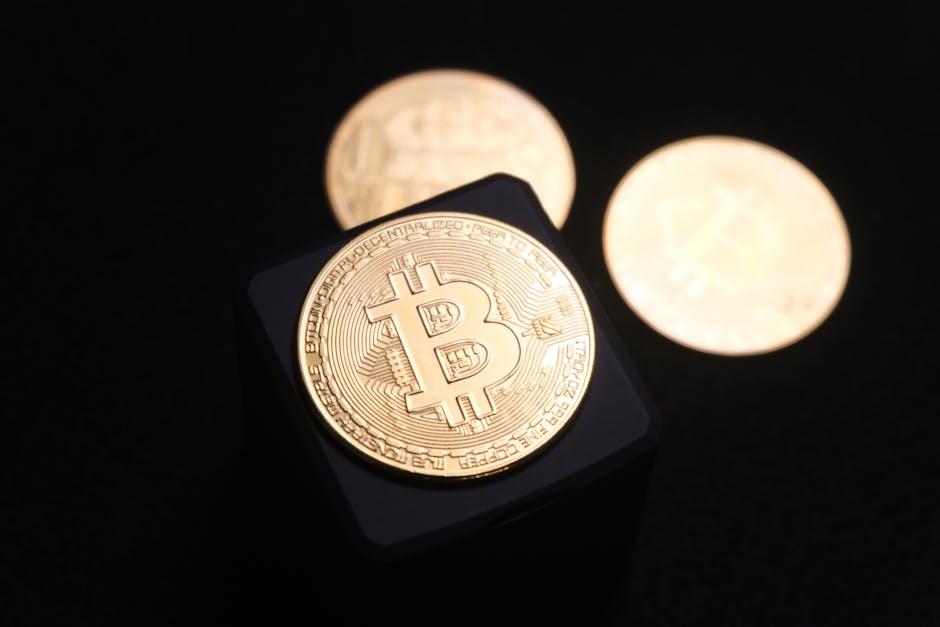
The Significance of Satoshis: Breaking Down Bitcoin’s Smallest Unit
The smallest unit of Bitcoin, known as a satoshi, serves as a crucial building block in the expansive world of cryptocurrencies. Each Bitcoin comprises 100 million satoshis, making this smallest denomination vital for microtransactions and broader accessibility to the cryptocurrency. Given Bitcoin’s finite supply of 21 million coins, the presence of satoshis allows for a flexible and granular approach to transactions, enabling participation from users with varying financial capacities without requiring them to own an entire Bitcoin. This serves to bolster Bitcoin’s potential as a medium of exchange and store of value.
The significance of satoshis extends beyond mere transaction capabilities; it reflects the very essence of Bitcoin’s design as a deflationary asset. As the supply of Bitcoin remains capped, the value of its smallest unit is likely to increase as demand rises. This deflationary nature encourages holding rather than spending, reinforcing Bitcoin’s status as “digital gold.” Moreover, the option to transact in satoshis opens doors for global participation, allowing individuals in emerging economies to engage in the digital economy without the barrier of high entry costs. It democratizes access to financial tools previously reserved for the affluent.
Additionally, the adaptability of satoshis makes them notably notable in a rapidly evolving technological landscape. With the rise of decentralized finance (DeFi) and non-fungible tokens (NFTs), satoshis can facilitate fractional ownership and trading, allowing users to own a stake in high-value assets without the need for vast amounts of capital. This trend highlights the emerging value of satoshis not just as a transactional currency but as a versatile component of a broader digital financial ecosystem, enhancing liquidity and participation across various platforms and marketplaces, ultimately solidifying their importance in the future of finance.
Economic Implications of Satoshi Scarcity: A Closer Look at Value Preservation
The finite supply of Bitcoin,capped at 21 million coins,introduces a unique framework for value preservation,particularly through its smallest unit,the satoshi. As the digital currency ecosystem evolves, the concept of scarcity becomes integral to understanding Bitcoin’s potential as a store of value. Unlike traditional fiat currencies, which can be printed at will, the limited availability of bitcoins imbues it with a sense of longevity and stability. Investors are increasingly drawn to the theory that, as demand increases in a finite system, so too might the value of Bitcoin, creating a compelling narrative around its investment appeal.
Furthermore, the increasing awareness of Bitcoin’s scarcity is reshaping market dynamics. As more individuals and institutions recognize the implications of satoshi scarcity, we observe a trend toward hoarding, perhaps leading to higher valuations. the psychology of scarcity is a powerful motivator, influencing how value is perceived within the cryptocurrency community. With major financial trends increasingly leaning towards digital assets, Bitcoin’s role as a hedge against inflation makes it an attractive option for risk-averse portfolios. In this context, the understanding of how many satoshis constitute a Bitcoin becomes pivotal for strategizing investment approaches.
Additionally, the economic implications of Satoshi scarcity extend into broader conversations about wealth distribution in the crypto space. As Bitcoin matures, the differentiation between holders of whole bitcoins versus those who own fractions could create disparity and influence market behaviors. The idea that the ownership of even a small fraction of Bitcoin-measured in satoshis-could yield significant returns raises questions about equitable access in an increasingly competitive surroundings. This scrutiny invites critical examination of how value is accumulated and perceived in a world leaning more towards digital asset proliferation.
Strategies for Investors: Navigating the Finite Nature of Bitcoin Holdings
The total supply of Bitcoin is capped at 21 million coins,a design that signifies not just scarcity but also presents strategic implications for investors.Recognizing this finite nature is crucial, as it impacts both market dynamics and the value proposition of bitcoin. As demand fluctuates and more investors enter the market, the limited supply can lead to increased valuations, compelling investors to adopt one of several strategies:
- Long-term Holding (HODLing): Retaining Bitcoin for an extended period can mitigate risks associated with short-term volatility, securing an asset with intrinsic value.
- Dollar-Cost Averaging: Consistently investing fixed amounts over time helps smooth out purchase prices and minimizes the impact of market fluctuations.
- Strategic Allocation: Diversifying a portfolio with a calculated percentage in Bitcoin can balance risk while positioning investors to benefit from potential future gains.
As the number of Bitcoin actively circulating continues to dwindle due to phenomena like lost or irretrievable coins, investors should consider the impact of this reduction on their strategies. Advanced analytics and market sentiment play a vital role in shaping future movements. For instance, during supply shocks-when demand surges unexpectedly-investors must be prepared to act swiftly to capitalize on significant price movements. This aspect of diligence is critical given the rapid changes in sentiment that can occur in the crypto space.
Lastly, the technological underpinnings of Bitcoin, such as the halving events that reduce the mining rewards, further contribute to its limited supply. Investors should stay informed about these events as they create moments of increased volatility. Engaging in community discussions, following market analyses, and understanding blockchain technology will empower investors to forecast trends more accurately. Strategies must be adaptable to take advantage of the potential value spikes prompted by these predictable occurrences.
the finite nature of bitcoin’s 2.1 quadrillion satoshis forms a critical aspect of its value proposition in the ever-evolving digital economy. this unique supply cap not only fosters scarcity, a basic driver of value, but also enhances the implications for monetary policy, inflation, and wealth distribution in a decentralized financial ecosystem.As global interest in cryptocurrencies surges, understanding the intricacies of satoshi allocation and the implications of fixed supply becomes paramount for investors and enthusiasts alike. as Bitcoin continues to stride towards mainstream adoption, its limited supply could play a pivotal role in shaping the future of finance, redefining wealth and ownership in the 21st century.The journey ahead will undoubtedly challenge traditional financial paradigms, inviting discourse on the balance between scarcity and accessibility in a digital landscape where the value of each satoshi is both a testament to innovation and a reflection of our economic future.