
– Analyzing the Supply Cap of Bitcoin and Its Implications for Value
The supply cap of Bitcoin,fixed at 21 million coins,translates into a staggering total of 2.1 quadrillion Satoshis, the smallest unit of Bitcoin, which raises critical questions about scarcity and value. This finite supply is a key determinant of its value proposition, distinguishing Bitcoin from traditional fiat currencies that can be printed ad infinitum. the mechanism of halving rewards every four years further enshrines scarcity into the system, creating a predictable rhythm of supply contraction that invite speculation on future price movements.
The implications of this capped supply extend beyond mere economics; they influence Bitcoin’s role as a digital asset. Investors and institutions are increasingly viewing it as a hedge against inflation and a form of “digital gold.” With central banks around the world engaging in expansive monetary policies, the finite nature of Bitcoin could position it as a safe haven in times of instability. Moreover, the property of scarcity in digital items enhances their allure, making them collectors’ items or ‘must-haves’ akin to rare art or vintage wines.
However, the road to capitalizing on Bitcoin’s scarcity isn’t devoid of challenges. Market sentiment, regulatory scrutiny, and technological advancements fuel volatility, casting uncertainties on how effectively this supply cap can stabilize value. As adoption grows and mainstream acceptance fluctuates, the interplay between demand and supply becomes critical. Understanding this dynamic is vital for any stakeholder looking to navigate the evolving landscape of digital currency investment.
– The Role of Satoshis in the Decentralized Economy
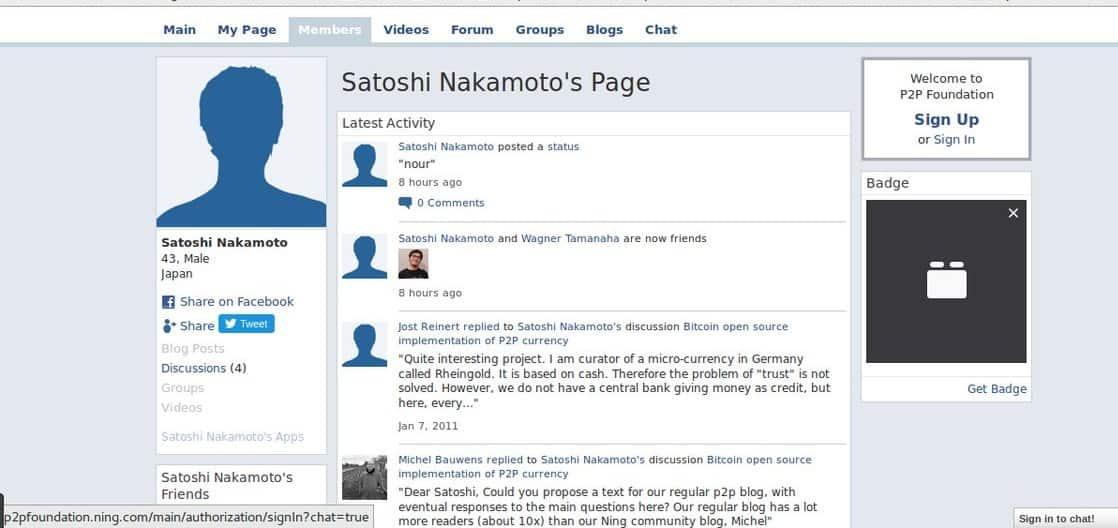
The foundational element of Bitcoin’s architecture lies in its smallest unit of account, the satoshi, named after the pseudonymous creator of Bitcoin, satoshi Nakamoto. Each Bitcoin is divisible into 100 million satoshis, leading to a total supply of 2.1 quadrillion satoshis. This finite nature introduces a scarcity that underlines Bitcoin’s value proposition, setting it apart from fiat currencies that can be printed without limit. As the decentralized economy matures, the importance of satoshis becomes increasingly pronounced, especially in transactions and value storage.
In a decentralized economy, the role of satoshis transcends mere currency; they embody a system of value exchange that is autonomous of traditional financial institutions. This independence allows for peer-to-peer transactions that are both secure and efficient. In practice, this means that participants in the economy can conduct transactions without the need for intermediaries, highlighting how satoshis facilitate greater autonomy for users. The implications of this are substantial, with the potential to redefine how value is perceived and traded on a global scale. Key aspects include:
- Reduced Transaction Costs: Satoshis enable microtransactions that are economically viable, thus broadening market access.
- Enhanced Financial Inclusion: Individuals without access to traditional banking can participate in the economy, empowering underbanked populations.
- Decentralized Governance: Control of value is decentralized, promoting an equitable financial landscape.
As Bitcoin adoption continues to rise, the satoshi’s role within ecosystems that prioritize decentralization becomes even more critical. Unlike traditional currencies, which frequently enough face inflationary pressures, the capped supply of Bitcoin ensures that its purchasing power can remain relatively stable over time. This characteristic is paramount for investors who see Bitcoin not just as a speculative asset but as a viable choice to gold and other stores of value. The focus on satoshis draws attention to the intricacies of Bitcoin as a form of digital gold, revealing not only its monetary potential but also its capacity as a decentralized financial instrument.
- Strategies for Investors in a Finite Cryptocurrency Market
In a cryptocurrency landscape characterized by volatility and rapid evolution, investors must craft strategies that acknowledge the finite nature of Bitcoin, specifically its limited supply of 2.1 quadrillion satoshis. This scarcity is a fundamental aspect of Bitcoin’s appeal, presenting unique opportunities and challenges for those looking to invest. Understanding how this essential characteristic influences market dynamics can provide investors with a strategic edge. The increased demand for a finite resource positions Bitcoin as a hedge against inflation,leading many to evaluate their own risk tolerance in this increasingly digital economy.
Investors might consider adopting a long-term outlook when engaging with Bitcoin.Historical trends demonstrate that Bitcoin’s value tends to appreciate over extended periods, despite periodic fluctuations. By focusing on dollar-cost averaging-investing a fixed amount regularly irrespective of price-investors can mitigate the impact of volatility and accumulate assets steadily.Additionally, recognizing the halving events, which occur approximately every four years and reduce the rewards for mining Bitcoin, can be instrumental. These events tighten supply further,often resulting in price rallies after the impact takes hold.
Another vital consideration in formulating investment strategies is the diversification of holdings. While Bitcoin remains a cornerstone of cryptocurrency portfolios, investors may explore complementary assets within the digital currency ecosystem. Altcoins, or alternative cryptocurrencies, can present opportunities for notable returns, especially those that leverage technological innovations or unique use cases. Moreover, maintaining liquidity in a rapidly changing market ensures investors can capitalize on sudden opportunities or shifts in momentum, allowing for a more agile response to market conditions while adhering to the finite nature of their Bitcoin holdings.
– Understanding the Impact of Scarcity on Bitcoin Adoption and Usage
The finite supply of bitcoin,capped at 21 million coins,has profound implications for its adoption and usage. This scarcity is further delineated when considering the smallest unit of Bitcoin, known as a satoshi, with a total of 2.1 quadrillion satoshis in circulation. Such a structured limitation serves to position Bitcoin as a deflationary asset, unlike fiat currencies that can be printed ad infinitum. This inherent scarcity cultivates a perception of value, attracting not just individual investors, but also institutions looking for a hedge against inflation and currency debasement.
Moreover, the psychological impact of scarcity cannot be understated. As more individuals and entities turn towards Bitcoin as a store of value, the competition for ownership increases, amplifying demand. With only a finite number of coins and units available, the race for acquisition intensifies, making Bitcoin increasingly attractive. The belief that Bitcoin will appreciate over time due to its limited supply creates an surroundings of speculative buying, aided by media coverage and growing mainstream acceptance, which can lead to cyclic price increases driven by demand surges.
this limited supply also imposes constraints on Bitcoin’s scalability as a transactional currency. High demand can result in network congestion, leading to increased transaction fees and processing times. These dynamics can deter everyday usage and push users to seek more scalable alternatives. Consequently,while scarcity enhances Bitcoin’s appeal as an investment,it together poses challenges that must be navigated for broader adoption in everyday transactions.Balancing the allure of scarcity with practical usability remains a pivotal concern for Bitcoin’s future growth and acceptance in the financial ecosystem.
As we navigate the transformative landscape of digital currency, the finite supply of Bitcoin-comprising 2.1 quadrillion satoshis-gives it a unique character within the financial ecosystem. This scarcity drives not only value but also the dynamics of market speculation, investment behavior, and technological innovation. Understanding the implications of this limited supply is crucial for stakeholders, from casual investors to institutional players, as it shapes not just pricing but broader economic paradigms. In a world increasingly valuing digital assets,the narrative surrounding Bitcoin’s satoshis will likely evolve,prompting ongoing scrutiny of its role as a store of value,a medium of exchange,and a potential safeguarding tool against inflation. As we look to the future, how we interpret and respond to the finiteness of Bitcoin could very well redefine notions of wealth and currency in the digital age, making it imperative to stay informed and engaged in these discussions.