

Unraveling the Cantillon Effect: A Deep Dive into Economic Dynamics
At the core of modern economic discussions lies a concept that fundamentally shapes financial landscapes: the Cantillon Effect. Named after the economist Richard Cantillon, this phenomenon describes how the injection of new money into an economy affects individuals and groups differently based on their proximity to that money’s source. Those who receive new money first—typically banks and large institutions—are poised to benefit from asset appreciation and inflationary gains before the rest of the economy feels the impact. As the money trickles down through various channels,price levels adjust,ultimately disadvantaging those who receive the money last.
This uneven distribution of wealth accumulation creates a ripple effect, shaping social and economic dynamics. Wealthers, by having early access, may see substantial increases in their purchasing power, allowing for greater investments and consumption. Conversely, individuals and small businesses that encounter the new money later may experience price increases on goods and services without a simultaneous rise in their own income. As a result, they find themselves constrained and left further behind, emphasizing the inherent inequality that can stem from monetary policy decisions.
Understanding the Cantillon effect is critical for policymakers and economists alike,as it reveals the complexities surrounding monetary expansion and its societal implications. Adopting this perspective encourages a more nuanced approach to economic policies,steering away from one-size-fits-all solutions. Rather, it highlights the necessity for targeted interventions that seek to address the disparities created by monetary systems.by acknowledging the diverse impacts of economic changes, stakeholders can work towards frameworks that promote more equitable growth while anticipating the shifts that may arise in response to monetary policy adjustments.
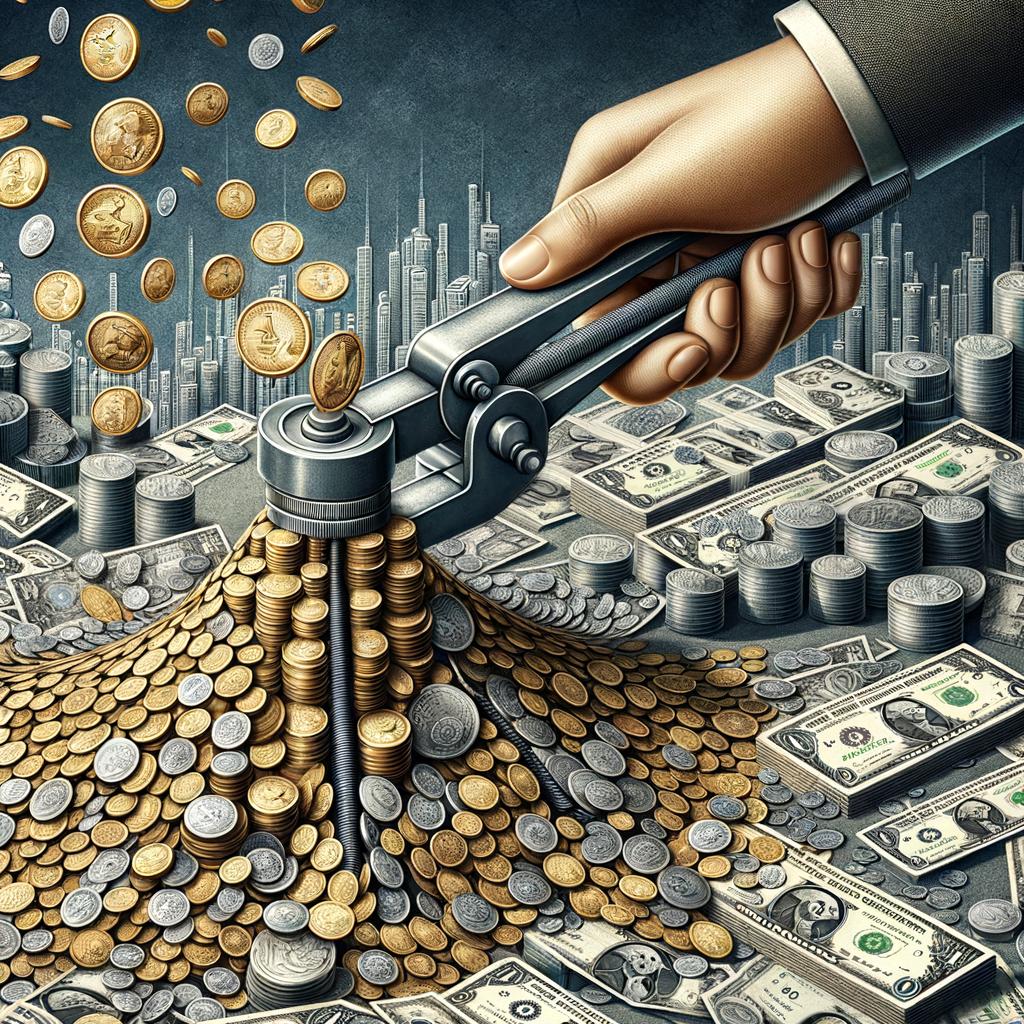
The Ripple effect: How Monetary Policy Shapes Wealth distribution
The relationship between monetary policy and wealth distribution is intricate and multifaceted, often producing effects that ripple through economies and communities. Central banks wield notable influence over this dynamic by adjusting interest rates and controlling money supply, both of which play critical roles in shaping economic accessibility for different social groups. When a central bank, as a notable example, lowers interest rates to stimulate growth, it can lead to cheaper loans, allowing individuals and businesses to invest in education, housing, and entrepreneurship. However, this influx of capital may disproportionately favor those already holding assets, thus widening the wealth gap.
Moreover, the tools of monetary policy can inadvertently reinforce existing inequalities. Quantitative easing (QE), a strategy employed during financial crises, involves central banks purchasing government securities to increase liquidity. While this approach aims to boost spending and revitalize the economy, the immediate beneficiaries are frequently enough financial institutions that receive boosts in their asset valuations. As a result, wealthier individuals who own stocks and bonds are positioned to accumulate more wealth, while lower-income households may struggle to engage with these financial markets, impeded by a lack of participation in wealth-building opportunities.
The ramifications of monetary policy extend beyond immediate financial gains, affecting social mobility and long-term economic stability. Communities with limited access to affordable credit may find themselves increasingly marginalized in a system designed to favor asset appreciation. as wealth becomes more concentrated, the potential for innovation, economic diversity, and equitable growth diminishes, creating an environment where social services may become strained and public discontent grows. Policymakers must engage critically with these outcomes, recognizing that adjustments in monetary policy not only influence fiscal dynamics but also shape broader societal structures, ultimately determining who has access to wealth and opportunity.
Real-World Consequences: What the Cantillon Effect Means for Everyday Consumers
The Cantillon Effect refers to the uneven distribution of the benefits of monetary policy and inflation, which disproportionately affects different segments of the economy. When new money enters the economy, it often does not circulate evenly, leading to some individuals and businesses gaining advantages while others face increased costs. Consumers, in particular, feel the squeeze when central banks implement policies that increase the money supply, affecting purchasing power and savings.
- Increased Prices: As new money enters the economy, it typically leads to inflation. Everyday consumers often find themselves dealing with rapidly rising costs for essential goods and services.Items like groceries and fuel see price hikes, while wages may not necessarily keep pace, eroding the purchasing power of households.
- Wealth Disparity: Those who receive the new money first—often financial institutions and large corporations—have a head start on benefiting from lower prices before inflation takes hold. Consequently, lower-income households, who spend a larger portion of their income on necessities, are particularly vulnerable to these shifts and may experience heightened financial strain.
The ripple effects of the Cantillon Effect extend beyond immediate financial burdens. consumers may react by altering their spending habits, prioritizing basic needs over discretionary purchases, which can stifle economic growth. This adjustment can also perpetuate social inequalities, as those already struggling to make ends meet are forced to make difficult choices about their lifestyles and wellbeing. Thus, understanding the Cantillon Effect is crucial for consumers as it directly influences their financial resilience and quality of life.
understanding the Cantillon Effect is crucial for deciphering the intricate dynamics of modern economies.As new monetary policies are implemented and financial landscapes evolve, the ripple effects of currency distribution can profoundly shape economic inequalities and opportunities. By revealing how changes in money supply can disproportionately benefit certain sectors and individuals, we not only gain insight into past economic phenomena but also equip ourselves to navigate future challenges. As citizens and stewards of the economy, fostering awareness of these principles can empower us to advocate for more equitable and informed economic policies. Ultimately, the Cantillon Effect serves as a reminder that in the realm of finance, the flow of money is never a simple narrative—it is a complex tale of influence, consequence, and opportunity that warrants our close attention.