
The Intricate World of shrimp: An Overview of Species and Habitats
The diverse world of shrimp encompasses a multitude of species, each adapted to their unique environments. From the vibrant coral reefs to the depths of the ocean floor, these crustaceans thrive in various marine habitats. Notably, the Giant Pacific Shrimp, known for its notable size, can be found in the warm waters of the Pacific Ocean, while the Rock Shrimp prefers the subtropical climates that offer rocky substrates for shelter.
Beyond these familiar faces, the classification of shrimp is expansive, comprising numerous varieties. Some species, such as the Whiteleg Shrimp, are commonly cultivated for aquaculture due to their rapid growth and economic value. Others, like the Sweet Shrimp, are sought after in culinary circles for their delicate flavor and texture. Each species exhibits distinct characteristics that aid their survival, from coloration that provides camouflage to specific breeding behaviors influenced by water temperature and salinity.
Habitat is key to understanding shrimp dynamics; thay are predominantly found in coastal regions, estuaries, and mangroves, where they find food and protection from predators. Their role in the ecosystem is crucial, serving as both prey and predator. For instance,Filter-feeding Shrimp contribute to nutrient cycling by removing algae and detritus,thereby maintaining water quality. Additionally, they form symbiotic relationships with various marine organisms, showcasing their adaptability and importance in marine biodiversity.
Nutritional Benefits of Shrimp: A Closer Look at Its Role in a Balanced Diet
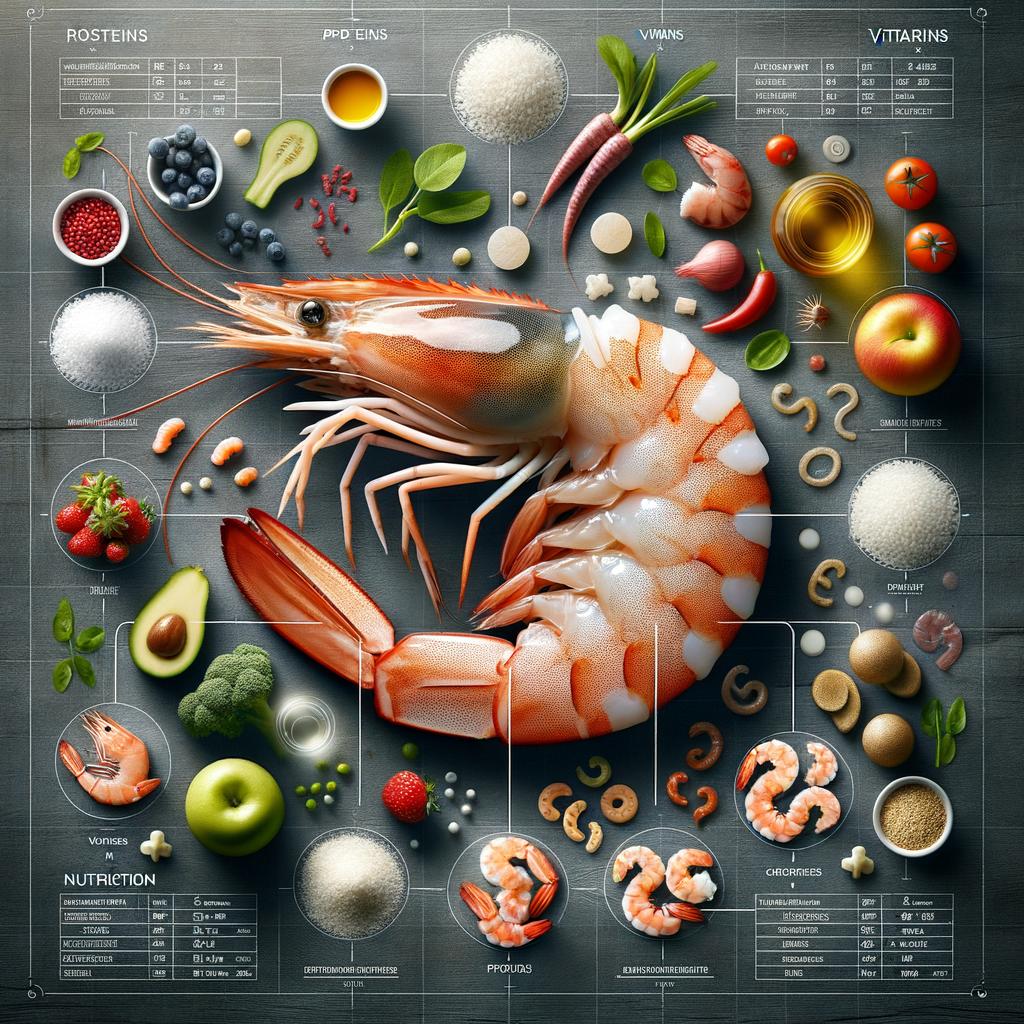
Shrimp is not only a popular seafood choice but also a nutritional powerhouse that offers numerous health benefits. rich in protein, shrimp provides essential amino acids necessary for building and repairing tissues. A 3-ounce serving of shrimp contains approximately 20 grams of protein, making it an excellent option for individuals aiming to increase their protein intake without excess calories. This lean source of protein can play a vital role in muscle growth and weight management.
Along with being a great source of protein, shrimp is low in calories and saturated fat. With just about 84 calories per 3-ounce serving, it is a heart-kind option to higher-calorie meats. Furthermore, shrimp is also packed with essential nutrients, including vitamins B12 and D, and minerals such as selenium and iodine, which are crucial for various bodily functions, including metabolism and thyroid health.
Moreover,shrimp is known for its high antioxidant content,especially astaxanthin,which is responsible for its pink hue. This antioxidant offers anti-inflammatory properties and may contribute to heart health. Regular consumption of shrimp can support a balanced diet by providing beneficial nutrients while keeping calorie counts in check. Incorporating shrimp into a variety of dishes can help enhance overall dietary quality, making it a versatile choice for health-conscious individuals.
Sustainable Shrimp Farming: Practices and Innovations for a Greener Future
The growing demand for shrimp in global markets has prompted the aquaculture industry to seek more sustainable practices. Conventional shrimp farming has often led to environmental degradation, including mangrove deforestation, water pollution, and overuse of resources. To address these issues, sustainable shrimp farming emphasizes the implementation of eco-friendly practices that minimize ecological impacts. These practices include integrating mangrove ecosystems, which not only protect coastal environments but also enhance biodiversity and provide nurseries for juvenile shrimp.
Innovations in technology play a pivotal role in transforming shrimp farming into a more sustainable endeavor. Automated monitoring systems that track water quality parameters such as temperature, salinity, and oxygen levels allow farmers to optimize conditions for shrimp growth while reducing the need for chemical inputs. Additionally, the application of recirculating aquaculture systems (RAS) enables water reuse and minimizes waste, effectively lowering the environmental footprint of operations. Such advances serve both to ensure shrimp health and to protect surrounding ecosystems.
Another meaningful aspect of sustainable shrimp farming is the focus on feed sustainability. Many farmed shrimp are fed diets that rely on fishmeal, leading to further depletion of wild fish stocks. However, by utilizing plant-based feeds and by-products from other aquaculture operations, producers can decrease reliance on fishmeal, contributing to a more balanced ecosystem. Moreover, ongoing research into alternative protein sources, such as insects and algae, holds promise for the future of shrimp aquaculture, ensuring that it aligns with broader sustainability goals.
As we conclude this extensive guide to shrimp,it is indeed evident that this delightful seafood plays a significant role not only in culinary traditions around the world but also in dietary health and sustainable practices. From its diverse varieties and nutritional benefits to its impact on global economies and ecosystems, understanding shrimp is essential for consumers and industry stakeholders alike. By making informed choices about sourcing and consumption, we can enjoy this versatile protein while supporting sustainable fishing practices.Whether you are a home cook, a restaurant owner, or simply a seafood enthusiast, we hope this guide has equipped you with valuable insights to appreciate shrimp in all its forms.Dive deeper into your culinary adventures, and savor the world of shrimp with newfound knowledge and responsibility.