

The Essential Role of Seeds in Ecosystems
Seeds are fundamental components of ecosystems, fostering plant regeneration and contributing to the stability of various habitats. They serve as a crucial link in the food chain, acting as a primary source of nutrition for numerous animals, including birds, insects, and mammals. When animals consume seeds, they inadvertently aid in seed dispersal, facilitating the growth of new plants across different areas. this dynamic process promotes genetic diversity and helps to establish robust plant communities, which in turn support a rich array of wildlife.
In addition to their role in food webs, seeds play a significant part in soil health and ecosystem resilience. When seeds germinate and grow, they contribute to soil structure and nutrient cycling. The roots of young plants help anchor the soil, preventing erosion and promoting water retention. Moreover,as plants grow and die,they return organic matter to the soil,enriching it and fostering a balanced ecosystem. This cycle of growth and decay is vital for maintaining the fertility of earth’s soils,ensuring they can continue to support diverse plant life.
Furthermore, seeds are integral to the resilience of ecosystems in the face of environmental changes. As climates shift and habitats are disrupted, seeds can remain dormant for extended periods, waiting for the right conditions to germinate.This adaptability allows plant species to survive adverse conditions and reestablish themselves when the environment becomes favorable again. Consequently, maintaining seed banks-natural repositories of genetic material-is essential for conserving biodiversity and ensuring the health of ecosystems globally.
How Seeds Contribute to Biodiversity and agriculture
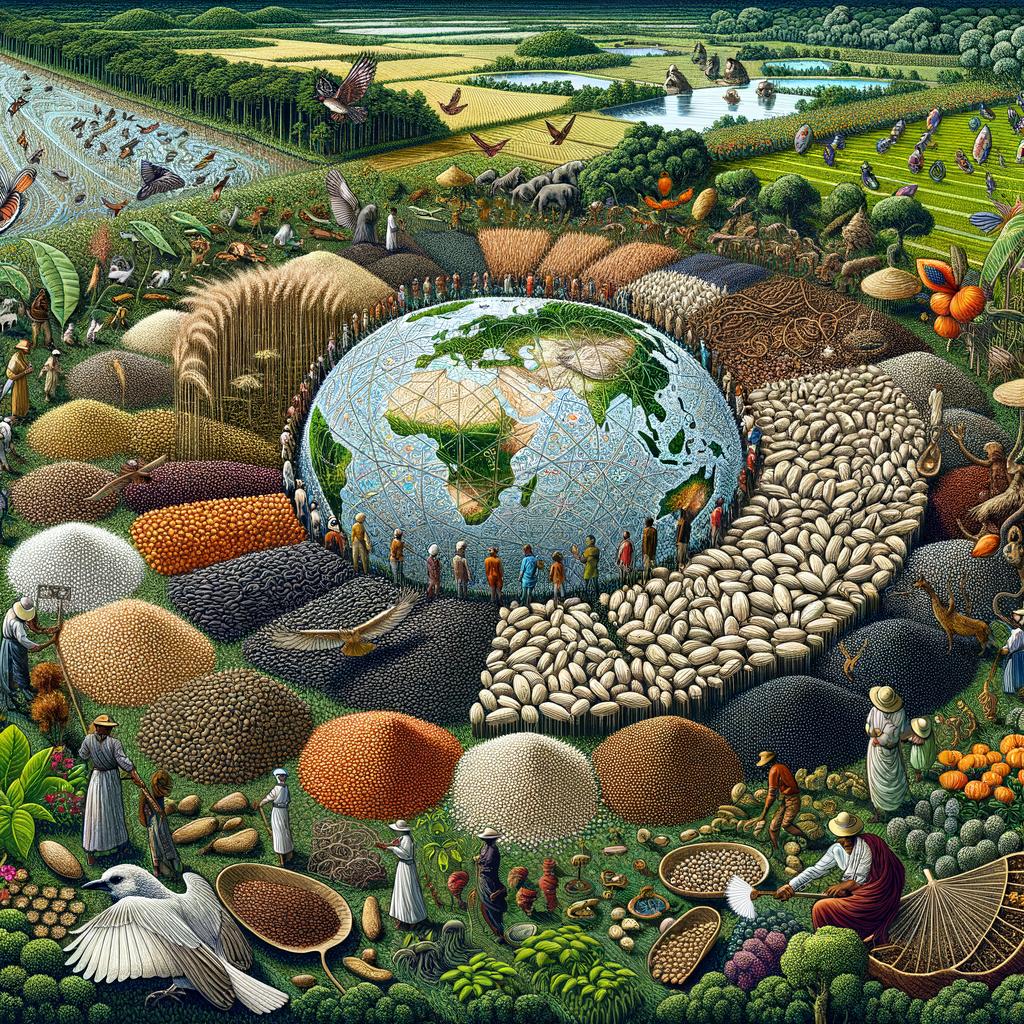
Seeds play a pivotal role in promoting biodiversity within ecosystems. They serve as a repository for genetic variation, allowing plant species to adapt and thrive in changing environments. When seeds disperse, they establish new populations in diverse habitats, contributing to the richness of flora in an area. This genetic diversity is crucial not only for the survival of individual species but also for the resilience of entire ecosystems,which rely on a variety of plant forms to support diverse animal life.
In agriculture, seeds are the starting point for crop production, making them fundamental to food security.Farmers select and cultivate specific seeds to optimize yield and resilience against pests and diseases. Innovations in seed technology, such as hybridization and genetic modification, aim to enhance these traits further. The use of heirloom seeds also supports lasting practices, allowing farmers to preserve conventional varieties that may offer unique flavors, nutritional benefits, or adaptability to local climates.
Moreover, seeds facilitate sustainable land practices by enabling crop rotation and intercropping techniques. These methods promote soil health and reduce dependence on chemical fertilizers, which is essential in the face of increasing environmental concerns. By understanding and utilizing the diverse properties of seeds, agricultural practices can be continually adapted to meet the challenges posed by climate change, pest resistance, and the growing global population. Hence, the meaning of seeds extends beyond their immediate role in reproduction, as they embody the potential for innovative solutions in agriculture and biodiversity conservation.
The Science Behind Seed Development and Germination
The process of seed development begins with fertilization, where the male gamete from pollen unites with the female gamete in the ovule. This fusion forms a zygote, which will eventually develop into a seed. Throughout this stage, several critical events occur, including cell division and differentiation, shaping the future plant’s structure and function. Environmental factors such as temperature, light, and moisture play a significant role in influencing seed formation and can lead to variations in seed characteristics, impacting their viability.
Once development is complete and the seed reaches maturity, the next essential phase is germination. this process is initiated when environmental conditions align favorably.Key triggers include optimal moisture, adequate temperature, and oxygen availability. When a seed absorbs water, it swells, activating enzymes that break down stored food reserves, providing energy for the emerging embryo. This critical hydration phase is a precursor to the metabolic activities necessary for sprouting.
After hydration, the seed undergoes several physiological changes that culminate in the growth of the embryonic plant. The seed coat softens, and the radicle, which will become the root, emerges first. Following this, the shoot grows upward, pushing through the soil or other growing medium. Successful germination is contingent upon various factors, including the seed’s inherent characteristics and the environment’s conditions, illustrating the complex relationship between seeds and their growth substrates.
seeds are far more than mere vessels of plant life; they are the very essence of biodiversity and the cornerstone of our agricultural systems. By understanding their complex structures and functions, we can appreciate the vital role they play in sustaining ecosystems and ensuring food security. As we face the challenges of climate change and habitat loss, nurturing and protecting seed diversity becomes imperative. Embracing sustainable practices and promoting seed conservation not only safeguards our natural heritage but also empowers future generations to cultivate a rich and resilient planet. By investing in our understanding of seeds today,we are,in essence,planting the seeds for a flourishing tomorrow.