
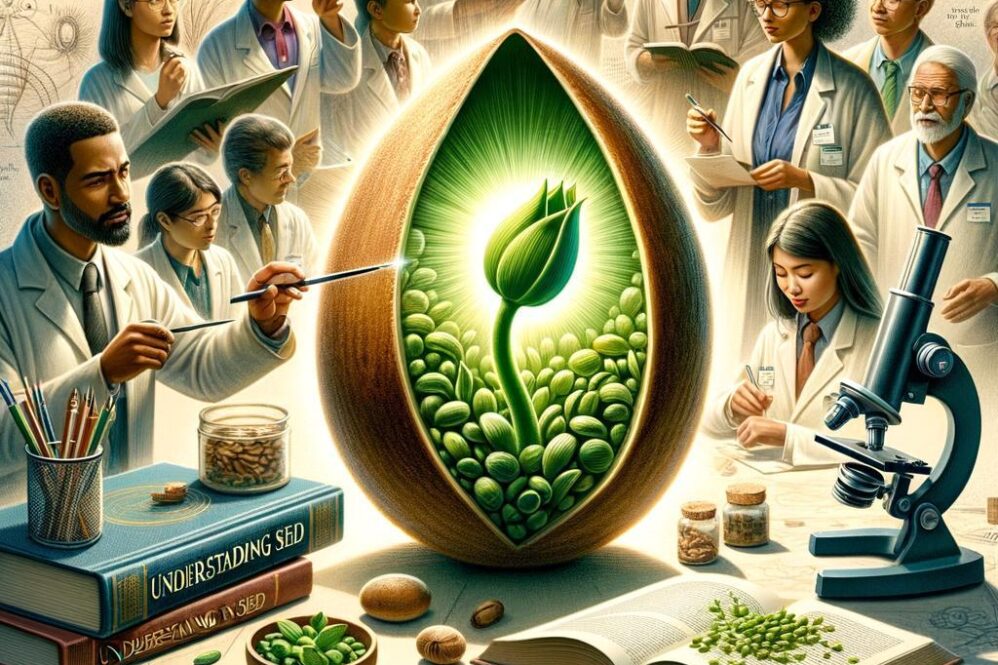
The Vital Role of Seeds in Ecosystems
Seeds play an indispensable role in maintaining the balance of ecosystems. they are integral to the life cycle of plants, serving as the primary means of reproduction for many species. Through a fascinating process, seeds germinate and develop into fully formed plants, which provide food and habitat for countless organisms. The diversity of seeds ensures a wide variety of plant life, which in turn supports animal species and helps in sustaining ecological networks that are vital for ecosystem health.
The dispersal of seeds is equally crucial, as it facilitates the colonization of new habitats and the movement of vegetation across landscapes. Various agents, including wind, water, and animals, contribute to this dispersal process, allowing plants to spread their genetic material across diverse environments. This not only helps to ensure genetic diversity within species but also strengthens the resilience of ecosystems against changes such as climate fluctuations and habitat destruction. Key facts include:
- Wind Dispersal: Lightweight seeds can be carried over long distances,contributing to the spread of plant populations.
- Animal Dispersal: Many seeds have adaptations that enable them to attach to animal fur or be ingested by animals and later excreted in new locations.
- Water Dispersal: Seeds that float can be transported to other areas by rivers and oceans, leading to plant establishment in new moist habitats.
In addition to their role in reproduction and dispersal,seeds also contribute to soil health and stability. As they germinate and their roots penetrate the soil, they help to improve soil structure, prevent erosion, and enhance nutrient cycling. Furthermore, the decomposition of seeds and plant material contributes organic matter, enriching the soil and promoting the growth of microorganisms that are essential for nutrient availability. Therefore, seeds are not merely the beginning of plant life; they are fundamental to the functionality and sustainability of entire ecosystems.
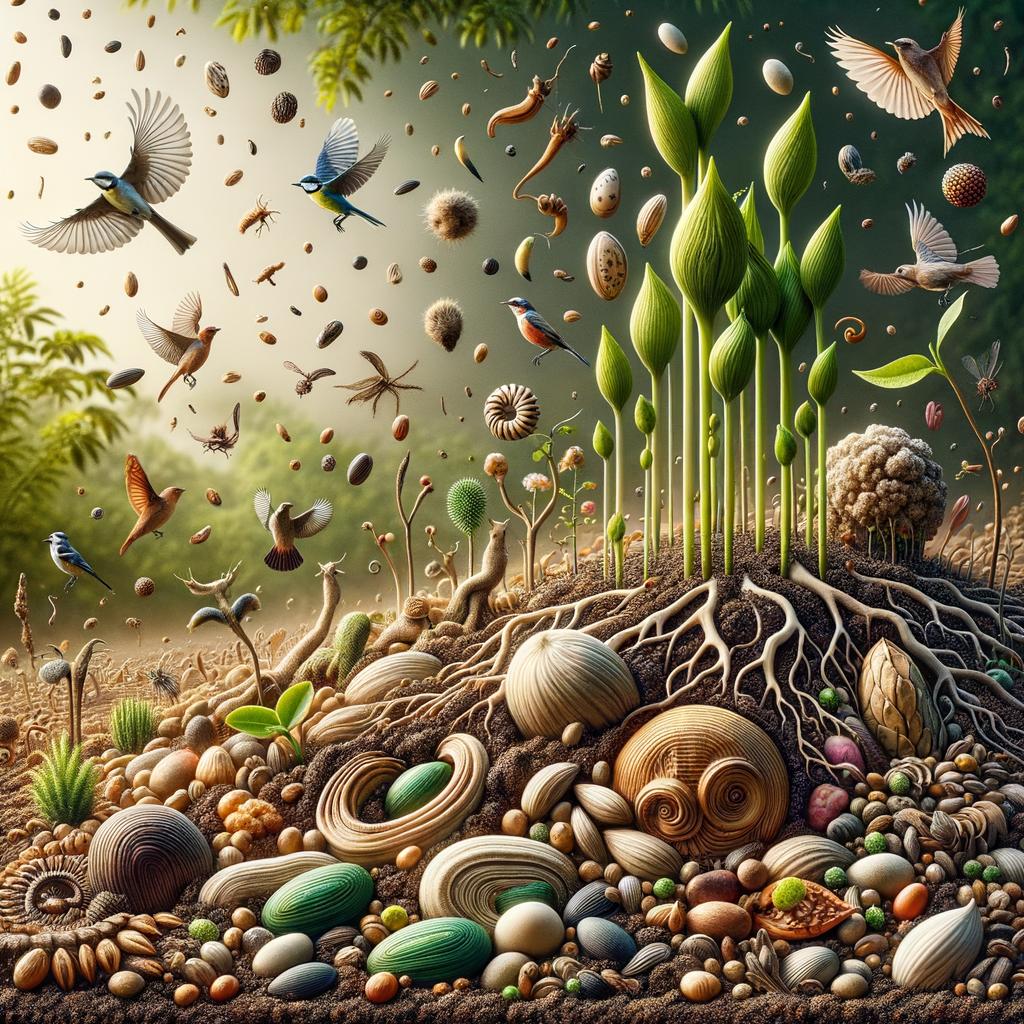
Seeds are not just the starting point of plant life; they are the cornerstone of biodiversity and ecological balance
Seeds play a critical role in maintaining biodiversity, serving as the primary means through which various plant species propagate and spread. Each seed carries the genetic blueprint of its parent plant, ensuring that unique traits are passed down through generations. The diversity of seeds contributes to a wide range of plant forms and functions, which in turn supports a myriad of animal species and habitats. A greater variety of seeds leads to a healthier ecosystem, as diffrent plants fulfill various ecological roles, from providing food to animals to stabilizing soil.
Moreover, the preservation of seed diversity is crucial in the face of climate change and environmental degradation. as ecosystems evolve, resilient seed varieties can adapt to new conditions, helping sustain the plant life that forms the foundation of food webs. Conservation efforts,such as seed banks,aim to protect these valuable genetic resources from extinction. Initiatives focused on the preservation of indigenous and heirloom seeds help maintain local agricultural heritage while ensuring food sovereignty for future generations.
The impact of seeds extends beyond biodiversity; they are also key players in agricultural sustainability. Farmers rely on diverse seed varieties to enhance crop resilience against pests and diseases, thus reducing the need for chemical inputs.By promoting a diverse agricultural landscape, communities can support local economies and maintain ecological balance. As stakeholders in agriculture recognize the significance of seed diversity, they champion practices such as crop rotation and intercropping to foster healthier ecosystems and ensure food security.
Genetic Heritage: The Blueprint Within Seeds
The intricate world of seeds is a remarkable testament to nature’s engineering.Each seed holds the genetic material that dictates the future characteristics of the plant, acting as a blueprint for growth and survival. Within the tiny confines of a seed lies a complex arrangement of DNA, which influences everything from leaf shape to resistance against diseases.This genetic heritage is not only crucial for the plant’s reproduction but also for the continuation of agricultural practices that support global food systems.
Understanding seed genetics allows scientists and farmers to make informed decisions about crop cultivation. by studying the genetic makeup of various seeds, it becomes possible to identify traits that are beneficial, such as drought resistance or enhanced nutritional value. The request of genetics in agriculture has led to significant advances, including the development of hybrid seeds that combine desirable traits from different parent plants. This revolutionizes food production by increasing yield and improving crop resilience to environmental challenges.
Moreover, the conservation of seed genetic diversity is essential for sustainable agriculture. As farmers select and breed plants over generations, they impact the gene pool, perhaps leading to a loss of vital genetic traits. Organizations and initiatives worldwide work to preserve heirloom seeds and promote biodiversity within farming practices. Ensuring a diverse genetic heritage in seeds not only supports agricultural sustainability but also strengthens food security for future generations, making it a priority in today’s rapidly changing environment.
Every seed carries the unique genetic blueprint that determines the characteristics of future plants, influencing growth patterns, resilience, and adaptability
The genetic material contained within each seed is responsible for the myriad traits exhibited by plants. This DNA not only dictates the physical characteristics of the plant-such as its size, shape, and color-but also plays a crucial role in how a plant responds to its environment. Factors such as soil quality,water availability,and climate conditions can influence the expression of these genetic traits. consequently, understanding this genetic blueprint can aid in the cultivation of plants that are not only more productive but also better suited to thrive under varying conditions.
Seeds equipped with favorable genetic variations can enhance resilience against pests, diseases, and environmental stressors. Such as, certain legumes possess innate traits that enable them to fix nitrogen in the soil, enriching it for surrounding plants. Similarly, some species are genetically predisposed to withstand drought conditions better than others. As agriculture faces challenges posed by climate change and habitat loss, harnessing these genetic traits becomes increasingly vital for sustainable food production and ecosystem health.
Moreover, the adaptability of plants, reflected in their genetic makeup, allows them to colonize diverse environments. Seeds with the ability to germinate quickly in response to favorable conditions or to remain dormant during periods of adversity exhibit a flexibility that is essential for survival. Such characteristics not only contribute to biodiversity but also ensure the stability of ecosystems, as diverse plant species support various animal populations and contribute to the overall resilience of their habitats.
Seeds and Sustainability: Ensuring Agricultural resilience
As the cornerstone of agriculture,seeds are pivotal in the quest for sustainability and resilience in farming practices. The genetic diversity found in conventional seeds helps farmers adapt to changing climates, pests, and diseases, ensuring food security amidst environmental challenges. Preserving heirloom varieties and promoting seed banks plays a critical role in maintaining this diversity, providing farmers with alternatives that are frequently enough more resilient than commercially bred varieties.
Furthermore, innovative practices such as crop rotation and intercropping leverage the strengths of various seed types, enhancing soil health and biodiversity. These strategies not only improve yield but also reduce reliance on chemical fertilizers and pesticides, fostering an ecosystem that nurtures natural pest predators and enhances nutrient cycling. By integrating local seeds into these practices, farmers can better withstand extreme weather events and unpredictable growing seasons.
Education and community engagement are crucial for promoting sustainable seed practices. Initiatives that focus on local seed exchanges and workshops empower farmers with knowledge about the benefits of indigenous seeds, reinforcing their importance in local ecosystems. Collaboration among agricultural organizations, research institutions, and farmers can led to innovative solutions that further enhance agricultural resilience, ultimately ensuring sustainable farming for future generations.
In the face of climate change and habitat loss, preserving seed diversity is paramount for sustainable agriculture and food security worldwide
Globally, the challenges posed by climate change and habitat loss are intensifying, making the preservation of seed diversity critical. Seed diversity refers to the variety of different seeds available within agricultural systems, encompassing a wide range of crops and strains. This diversity is crucial for increasing resilience against pests, diseases, and changing climatic conditions. As traditional agricultural practices are threatened, maintaining a rich genetic pool can help farmers adapt to new environmental challenges.
The importance of seed diversity is underscored by its role in enhancing food security. A diverse range of crops can contribute significantly to nutritional variety in diets, combating malnutrition and fostering health. Consequently, preserving seed diversity is not merely an agricultural concern; it is a matter of public health. The benefits of this approach include:
- Improved resilience: Diverse crops are more likely to withstand pests, diseases, and climate variations.
- Adaptability: A variety of seeds allows farmers to select the best crops for specific conditions.
- Food plurality: Diverse crops can enrich diets and provide essential nutrients.
Efforts to preserve seed diversity must include community engagement, policy support, and the establishment of seed banks that conserve and distribute various seeds. Initiatives championed by local farmers, NGOs, and governments can foster a more sustainable agricultural landscape. As global awareness of environmental issues grows, so does the imperative to advocate for seed diversity, ensuring that future generations have access to nutritious and sustainable food sources.
seeds represent a remarkable emblem of life; they are not only the foundation of plant growth but also critical to maintaining biodiversity and ecological balance. Understanding the complex roles that seeds play-from their genetic makeup to their contribution to sustainable agriculture-deepens our appreciation for these small yet powerful entities.As we face increasing environmental challenges, recognizing the importance of seeds in our ecosystems becomes ever more vital. By preserving seed diversity and supporting sustainable practices, we can ensure that future generations will continue to benefit from the rich tapestry of plant life that seeds help to weave. Through education and proactive stewardship, we hold the key to a thriving planet-rooted in the humble seed.