
The Rise of Peer-to-Peer (P2P) Networking: A Revolution in Connectivity
The evolution of connectivity has seen a significant change with the emergence of peer-to-peer (P2P) networking. This paradigm shift has disrupted customary client-server models, offering users a decentralized framework that emphasizes direct interaction. In P2P networks, each participant, or ‘peer,’ has equal capabilities, allowing for efficient resource sharing without the need for a central authority. This autonomy not only enhances data distribution but also increases the resilience of the network itself, reducing the risk of single points of failure.
P2P networking is commonly associated with various applications that have reshaped numerous industries, from file sharing to cryptocurrency transactions.With protocols that facilitate direct exchanges between users, P2P has made it possible for communities to come together in innovative ways.Major benefits of these systems include:
- Increased speed and efficiency: Data transfers occur directly between users, minimizing delays often associated with intermediary servers.
- Cost-effectiveness: By eliminating intermediaries, participants can save money on transaction costs and infrastructure.
- Enhanced privacy and security: Decentralized networks can provide greater anonymity, making it harder for attacks to target a single entity.
As industries continue to recognize the advantages of P2P networking, its applications are rapidly expanding. From decentralized finance (DeFi) platforms to collaborative projects in software progress,the impact of this technology is profound. The ongoing integration of P2P methodologies into mainstream services indicates not only a shift in how we connect and share resources but also a broader movement toward empowering individuals in the digital landscape.By leveraging the strengths of decentralized systems, users are beginning to reclaim control over their data and interactions, paving the way for a more equitable digital ecosystem.
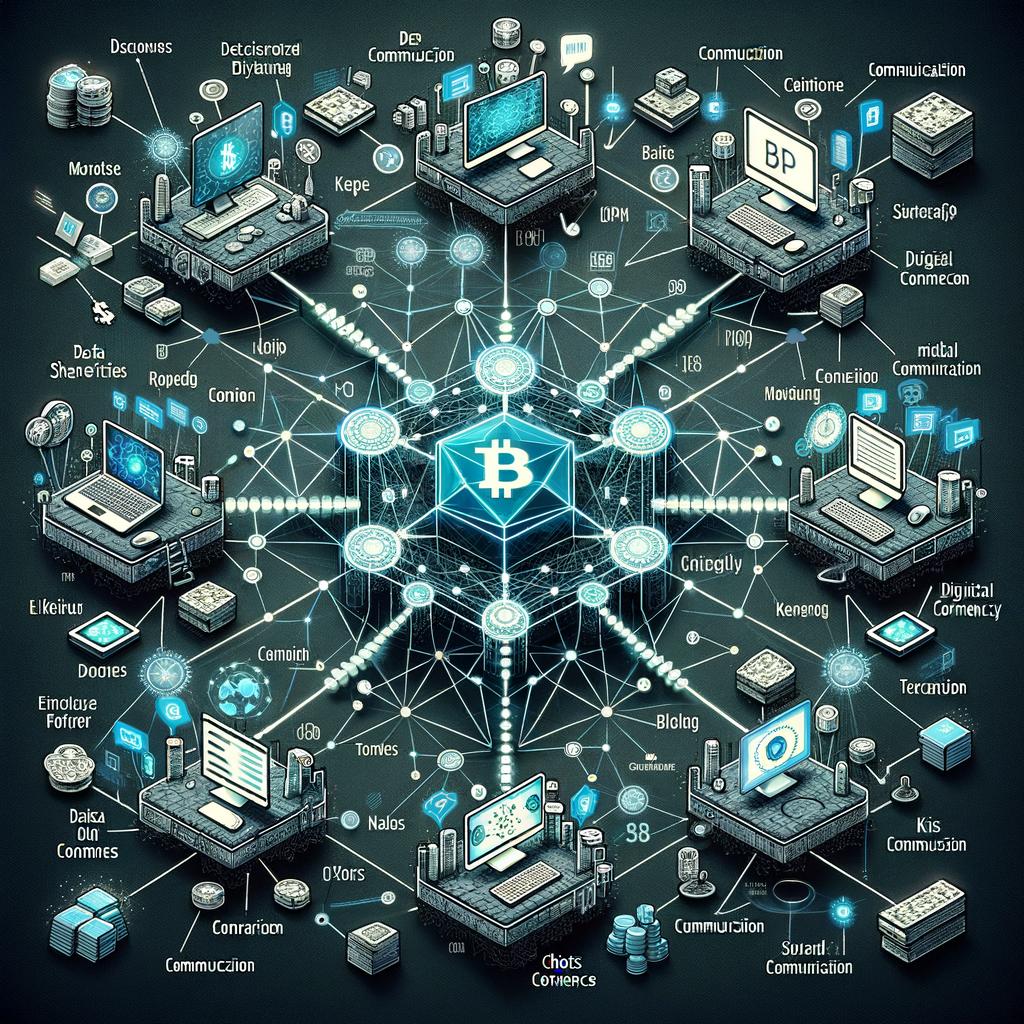
How P2P Technologies are Transforming Communication and Commerce
P2P technologies are fundamentally reshaping the landscape of communication and commerce by decentralizing interactions and enabling direct connections between users. unlike traditional models that rely on centralized servers, P2P frameworks allow individuals to communicate and transact without intermediaries, resulting in more efficient exchanges. This shift not only reduces costs associated with third-party services but also enhances privacy, as users have greater control over their data and the data they choose to share.
As social platforms and marketplaces increasingly adopt P2P structures, users are empowered to engage in transactions and conversations that align with their preferences and values. For instance, P2P messaging applications facilitate secure conversations without compromising user privacy, while decentralized marketplaces encourage fair trading practices and diminish monopolistic control. This liberation from centralized authority fosters a sense of community, where individuals can collaborate and innovate without the constraints imposed by traditional organizations.
Moreover, the rise of blockchain technology has introduced new possibilities for P2P commerce. Smart contracts can automate transactions, ensuring compliance and accountability without the need for intermediaries. This efficiency not only streamlines processes but also builds trust among participants, ultimately leading to more meaningful and lasting relationships. As P2P technologies continue to evolve, they hold the promise of creating a more equitable and interconnected digital habitat, where everyone can thrive.
Navigating the Future: The Challenges and Opportunities of P2P Connectivity
As the landscape of peer-to-peer (P2P) connectivity evolves, several challenges and opportunities arise that require careful analysis and proactive measures. Security remains a primary concern in P2P networks, where users share resources directly without centralized oversight. The potential for cyber threats, such as hacking and data breaches, necessitates robust encryption methods and vigilant monitoring to protect sensitive information. In addition, the decentralization inherent in P2P systems can lead to vulnerabilities, requiring users to cultivate resilience against disruptions in service and attacks on network integrity.
On the flip side, the democratization of technology through P2P connectivity offers unprecedented opportunities for innovation and collaboration. By enabling direct exchanges between users, P2P networks reduce barriers to entry for businesses and individuals alike. This fosters a climate ripe for creative solutions and efficient resource allocation. For instance, P2P platforms can facilitate everything from content sharing to financial transactions, empowering users to engage in commerce without intermediaries. Such developments not only drive economic growth but also inspire new business models that leverage the strengths of decentralized systems.
Moreover, the rise of P2P connectivity creates a platform for community building and social engagement.Users can form networks based on shared interests and goals, fostering relationships that may not be possible through traditional means.this shift towards closer-knit communities encourages collaboration and mutual support, leading to enhanced user experiences and enriched social dynamics. As these connections strengthen, they have the potential to influence market trends and consumer behavior, making it essential for stakeholders to remain adaptive and responsive to the evolving landscape of P2P technologies.
As we stand on the brink of a new technological revolution, understanding Peer-to-Peer (P2P) connectivity is vital for embracing the future.P2P networks have the potential to democratize the way we share information and resources, redefining traditional hierarchies and fostering a more interconnected society. As more individuals and businesses recognize the benefits of decentralized communication, the P2P model is set to challenge existing paradigms in everything from file sharing to blockchain technology and beyond. By grasping the principles of P2P connectivity, we can prepare ourselves for a world where collaboration and innovation thrive without boundaries. Join us in exploring this transformative landscape, as we watch the P2P phenomenon reshape our digital interactions and pave the way for a more resilient future.