
Unpacking Off-Chain Transactions: What They Are and How They Work
Off-chain transactions refer to the exchange of assets or data that occurs outside the primary blockchain network. This approach allows participants to settle their transactions without burdening the blockchain with every individual trade, significantly reducing congestion and transaction fees. By utilizing off-chain mechanisms,users can engage in a variety of activities,such as micropayments and complex multi-signature agreements,all while maintaining the security and integrity of the underlying blockchain system.
There are several methods for executing off-chain transactions, including but not limited to:
- Payment Channels: These are channels established between two parties to facilitate instant and low-cost transactions. Only the final transaction amounts are recorded on the blockchain, wich minimizes on-chain load.
- Sidechains: These are separate blockchains that are interoperable with the main blockchain, allowing users to transfer assets back and forth while processing transactions independently.
- State Channels: Similar to payment channels,state channels allow participants to conduct multiple transactions off-chain and only finalize the outcome on-chain,greatly enhancing scalability.
The advantages of off-chain transactions are manifold. Primarily, they offer increased scalability, enabling networks to handle a significantly higher volume of transactions without compromising speed or efficiency. Additionally, this method can also enhance user privacy, as the details of off-chain trades are not publicly recorded on the blockchain. By leveraging off-chain solutions, blockchain ecosystems can support a broader array of applications, driving innovation and adoption in decentralized finance (DeFi) and beyond.
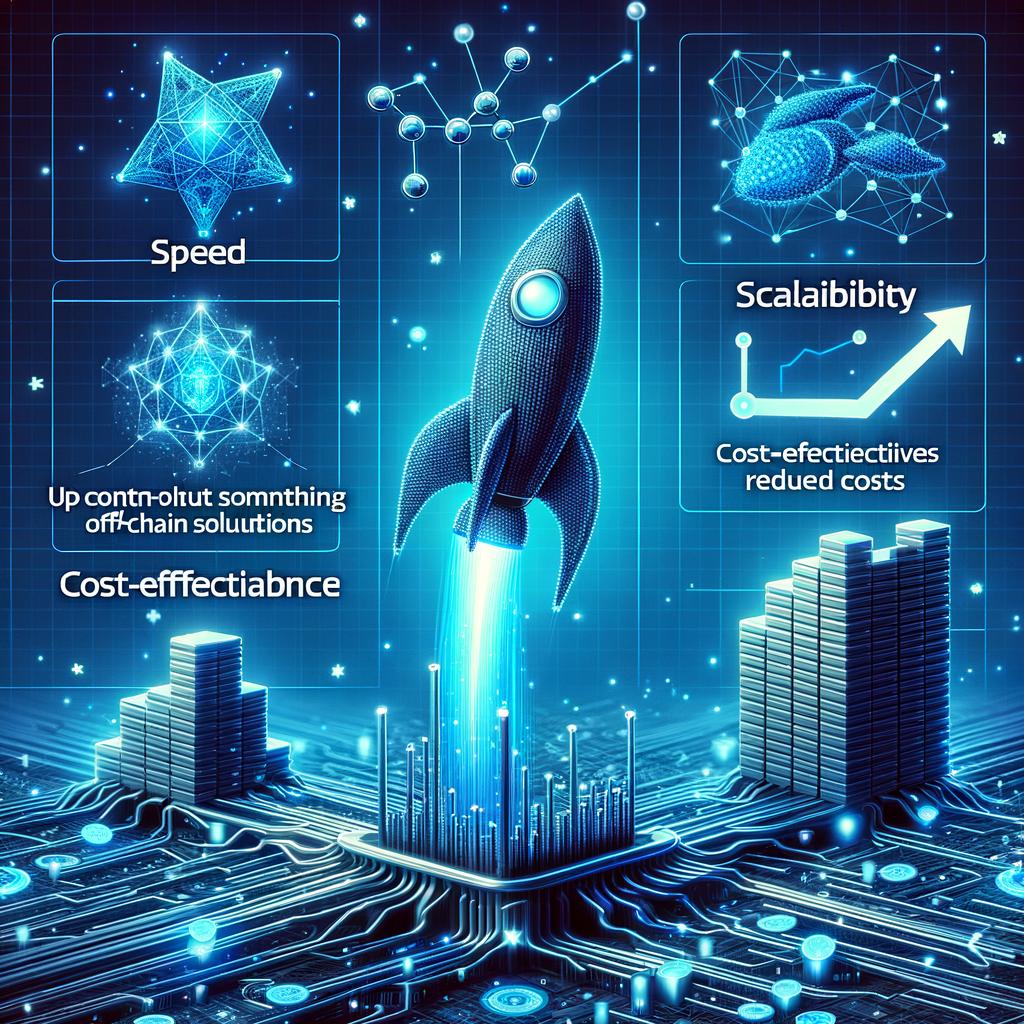
The Advantages of Off-Chain Solutions: Speed, Scalability, and Cost-Effectiveness
The adoption of off-chain solutions has gained traction in the blockchain community largely due to their ability to enhance transaction speed. conventional on-chain transactions can be slow, especially during peak demand periods when network congestion leads to longer confirmation times. Off-chain solutions, such as payment channels and sidechains, allow transactions to occur outside the main blockchain, enabling users to enjoy near-instantaneous settlements. This speed is vital for various applications, from microtransactions in gaming to high-frequency trading, where time is a critical factor in ensuring profitability.
Scalability is another significant advantage of off-chain solutions. As the number of users and transactions grows, on-chain solutions face challenges in maintaining quick and reliable processing. Off-chain methods can alleviate this burden, allowing for a higher volume of transactions to be processed without overloading the base layer of the blockchain. By removing a considerable amount of data from the main chain, off-chain solutions contribute to a more efficient ecosystem. This can facilitate broader adoption and usage in industries that demand rapid transaction throughput without compromising security.
Furthermore, off-chain solutions can lead to cost-effectiveness for users and developers alike. On-chain transactions often incur fees that can rise sharply during times of high network activity.By utilizing off-chain methods, users can significantly reduce fee expenditures, as many off-chain transactions can be conducted with minimal or no costs associated with them. This aspect is especially appealing for businesses and individuals who engage in frequent transactions, making blockchain technology more accessible and economically viable. In essence,off-chain solutions not only enhance performance but also lower the entry barriers for new users entering the blockchain space.
Navigating the Challenges: Security Concerns and Trust Issues in Off-Chain Transactions
In the rapidly evolving world of decentralized finance (DeFi), security concerns loom large, especially for institutions accustomed to the safety of traditional financial systems. Recent high-profile hacks and breaches within various DeFi protocols have raised alarms, leading many institutional investors to adopt a cautious stance. These incidents highlight the vulnerabilities associated with smart contracts and the difficulty of securing off-chain assets. Consequently, firms are increasingly prioritizing robust security measures, conducting thorough due diligence, and implementing risk management strategies before engaging with DeFi platforms.
Moreover,the lack of established regulatory frameworks compounds these security anxieties. Institutions face challenges in navigating the ambiguous legal landscape surrounding DeFi. Questions regarding compliance, liability, and asset protection remain unanswered, leaving many investors hesitant to fully embrace this innovative financial paradigm. Trust issues arise when potential investors grapple with the decentralized nature of these platforms, which frequently enough lack the oversight mechanisms found in traditional finance. Consequently, institutional players are keen on understanding the governance structures of DeFi projects and assessing their resilience against external threats.
To mitigate these challenges,educational initiatives aimed at increasing awareness and understanding of DeFi are critical. Institutions need to cultivate a deeper comprehension of the technology and its implications for their operations. Establishing partnerships with cybersecurity firms and engaging in collaborative dialogues with regulators can also pave the way for a more secure ecosystem. by prioritizing clarity and demonstrating a commitment to security and compliance, DeFi platforms can begin to build the trust necessary for broader institutional adoption.
off-chain transactions present a compelling alternative to traditional on-chain processes, offering scalability and cost advantages that can significantly benefit users and businesses alike. By allowing transactions to occur outside the main blockchain, they alleviate congestion and provide faster settlement times. However, it’s essential to consider the challenges that accompany this method, including the potential for centralization and security concerns inherent in relying on external systems. As the blockchain ecosystem continues to evolve, the integration of off-chain solutions will likely play a pivotal role in shaping the future of digital transactions. Understanding these dynamics is crucial for anyone looking to navigate the rapidly changing landscape of cryptocurrency and blockchain technology. As we move forward, ongoing innovation and careful consideration will be key in maximizing the benefits of off-chain transactions while mitigating their risks.