

The origins of Nocoiners: Who Are the Cryptocurrency Skeptics?
The origins of nocoiners can be traced back to the early days of cryptocurrency, when Bitcoin first emerged as a novel financial technology. Many individuals, including conventional investors and financial experts, expressed skepticism due to the unfamiliar nature of digital currencies and their lack of regulatory oversight. This created a divide between those who embraced the potential of cryptocurrency and those who preferred to stick with established financial systems and institutions. Nocoiners often question the fundamental value of currencies that are not backed by tangible assets and express disbelief in the sustainability of digital currencies in the long term.
One of the key motivations behind nocoiners’ skepticism is the perception of volatility associated with cryptocurrencies. the dramatic price fluctuations seen in Bitcoin and other digital currencies led many to characterize these assets as speculative bubbles rather than reliable stores of value. this volatility raises concerns among traditional investors who prioritize stability and predictability in their financial portfolios. Moreover, nocoiners frequently enough highlight the potential risks posed by market sentiment and speculation, which can lead to sudden losses for uninformed or inexperienced investors.
In addition to concerns about volatility, regulation plays a significant role in the nocoiner viewpoint. Many skeptics argue that without a stringent regulatory framework, cryptocurrencies are susceptible to fraud, money laundering, and other illicit activities. They emphasize the need for robust regulatory measures to protect consumers and ensure market integrity. Furthermore, skepticism is often fueled by discussions surrounding the legal status of cryptocurrencies across various jurisdictions, which can lead to uncertainty for both investors and users. Consequently,nocoiners advocate for careful consideration of the risks associated with unregulated digital currencies and the importance of a cautious approach to their adoption.
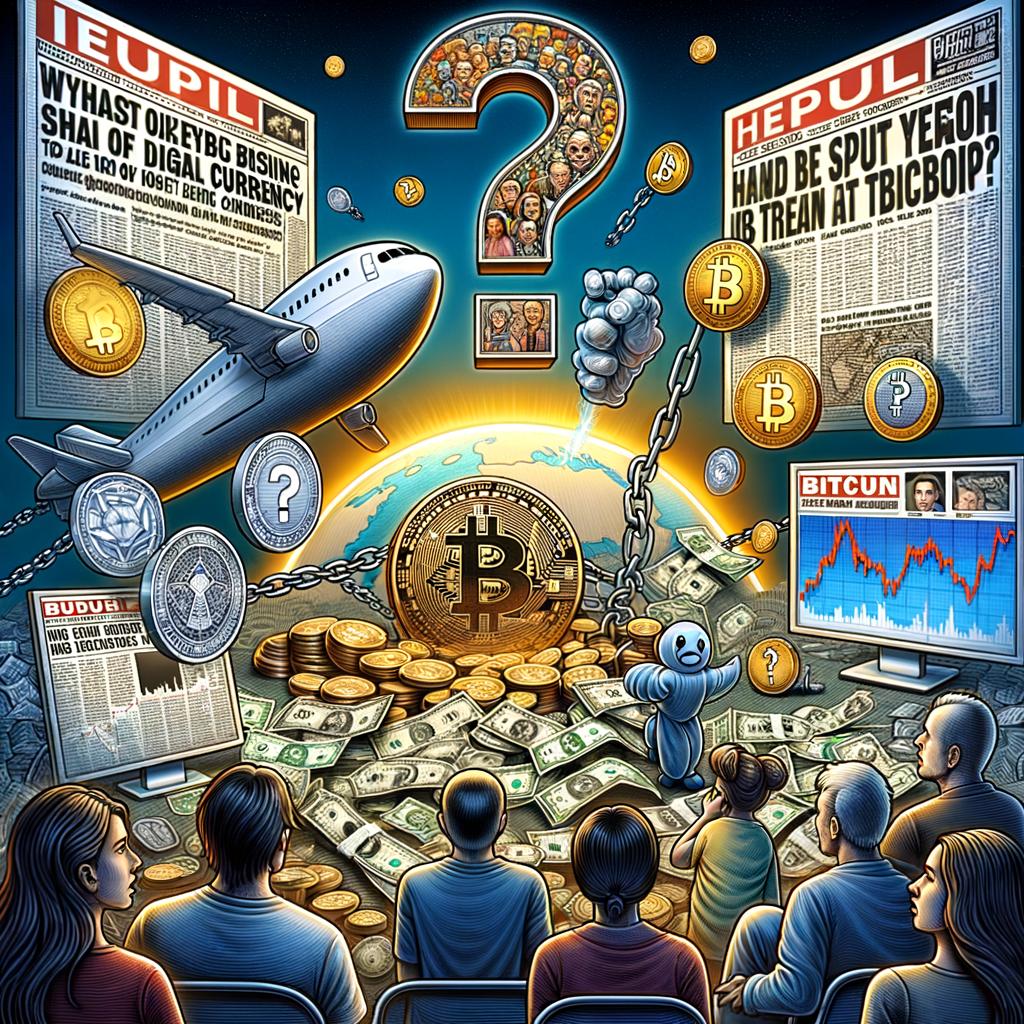
Key Concerns Driving Skepticism Toward Digital Currencies
The rise of digital currencies has undeniably captured the attention of both investors and the general public,yet there remains a cloud of skepticism that looms large. Regulatory concerns are front and center in this debate, with governments across the globe grappling with how to effectively manage and monitor cryptocurrencies.the lack of a cohesive regulatory framework can lead to vulnerabilities, allowing fraud and market manipulation, which gives traditional investors pause. Many worry that the absence of oversight may make digital currencies a breeding ground for illicit activities, such as money laundering and tax evasion.
Another significant concern stems from the volatility that has become synonymous with cryptocurrencies like Bitcoin. Investors often watch in disbelief as values can fluctuate by hundreds or even thousands of dollars in a single day. This unpredictability poses a ample risk, making it arduous for investors to gauge the long-term viability of their investments. Additionally, the psychological impact of such volatility can lead to panic-driven selling, which further exacerbates market instability. For those who prefer stable and predictable investments, the allure of digital currencies can quickly turn to skepticism.
the issue of security cannot be overlooked. While blockchain technology—the backbone of most digital currencies—offers robust security features, exchanges and wallets have been targets of high-profile hacks and thefts. Investors face the constant threat of losing their assets due to cyberattacks or even mismanagement on the part of exchange platforms. This has fostered a culture of distrust among prospective users who fear that investing in digital currencies can result in not just market loss but also irreversible financial damage due to inadequate security measures.
Bridging the Divide: Engaging Nocoiners in Meaningful Dialogue
As Bitcoin continues to evolve, engaging nocoiners—those who have yet to invest or fully grasp cryptocurrency—becomes essential for building a more informed community. Initiating meaningful dialogue requires a proactive approach to demystify the complexities surrounding digital currencies. By focusing on educational outreach and fostering open conversations, advocates can bridge the knowledge gap and create a more inclusive environment for discussion.
One effective strategy is to present the benefits of Bitcoin and cryptocurrency in relatable terms. Highlight the significant role blockchain technology plays in enhancing transparency,security,and efficiency in various sectors,including finance,supply chain management,and more. additionally, addressing common misconceptions about volatility and security can alleviate fears surrounding digital currencies. When nocoiners see real-life applications and benefits, they are more likely to engage with the subject matter and consider its implications for the future.
Moreover, utilizing various platforms—such as social media, community forums, and educational webinars—can effectively reach a broader audience. Organizing community events where experts can share insights and answer questions helps foster a sense of belonging and curiosity among nocoiners.It is vital to keep the dialogue respectful and informative, promoting an environment where questions are welcomed and addressed thoughtfully. By encouraging participation and collaboration, we can create a more robust dialogue that not only bridges existing divides but also nurtures a generation more open to the possibilities presented by Bitcoin and cryptocurrency.
As the debate surrounding cryptocurrency continues to evolve, understanding the perspectives of nocoiners becomes increasingly crucial. These skeptics raise valid concerns regarding the sustainability, security, and regulatory implications of digital currencies, challenging enthusiasts to address the complexities associated with this burgeoning technology. Engaging with their viewpoints not only enriches the conversation but also fosters a more nuanced understanding of the potential risks and rewards that cryptocurrencies present. By bridging the gap between advocates and skeptics, we can pave the way for a more informed dialogue about the future of finance, ensuring that innovation goes hand in hand with responsible development. As we move forward, it remains imperative to listen, learn, and consider all angles of this multifaceted landscape.