
The Rise of NFTs: A New Era for Digital Artistry and Ownership
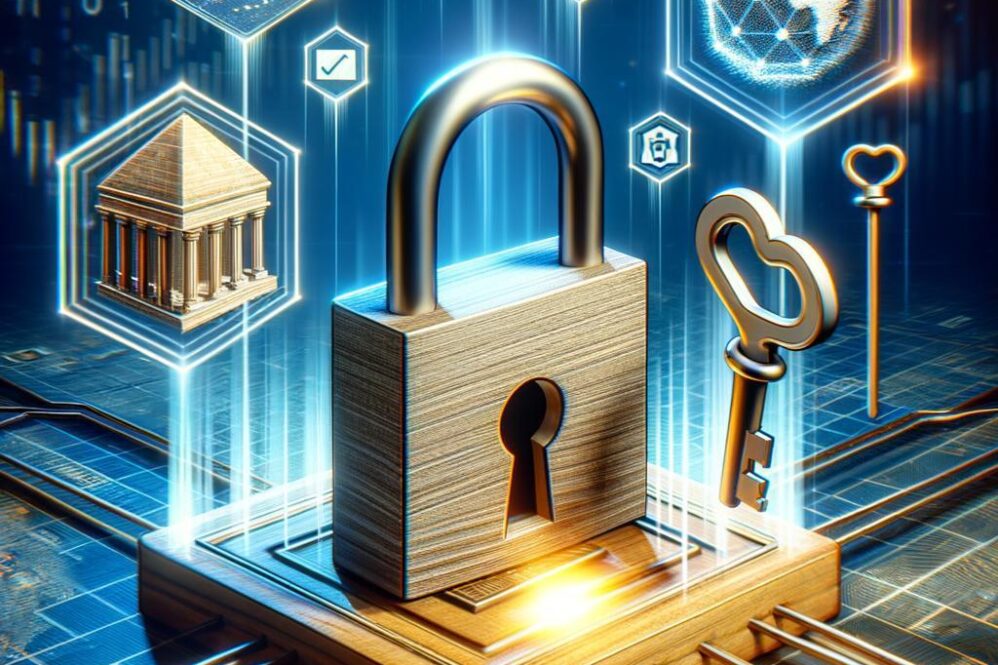
The advent of blockchain technology has paved the way for a conversion in how digital art is created, sold, and owned. Leveraging the security and decentralization provided by blockchain, non-fungible tokens (NFTs) allow artists to tokenize their digital creations. This innovation not only proves ownership but also retains value in ways previously unattainable in the digital realm. By embedding unique identifiers within these tokens, artists can ensure that their work remains distinct, allowing collectors to appreciate and invest in authentic pieces with confidence.
Consequently, the marketplace for digital art has flourished, attracting both established and emerging creators. Platforms dedicated to NFT sales have proliferated, providing artists with the chance to reach global audiences without the constraints of traditional galleries. This democratization of the art world means that talent and creativity can shine irrespective of background or economic status. Moreover, artists can earn royalties on secondary sales, generating ongoing income from their work, which was frequently enough a challenge in conventional models.
The cultural implications of this shift are profound. NFTs have sparked conversations around ownership and the value of digital assets, compelling society to rethink how art is valued in the digital age. Moreover, as collectors increasingly recognize the meaning of NFTs, trends in speculative investments and digital scarcity are emerging. This new landscape fosters a blend of technology and artistry that not only elevates creators but also encourages a broader discussion about the future of creativity and its intersection with technology. The rise of NFTs signifies a pivotal moment in art history, reshaping the relationship between artists, collectors, and their audience.
How blockchain Technology Ensures Authenticity and Provenance
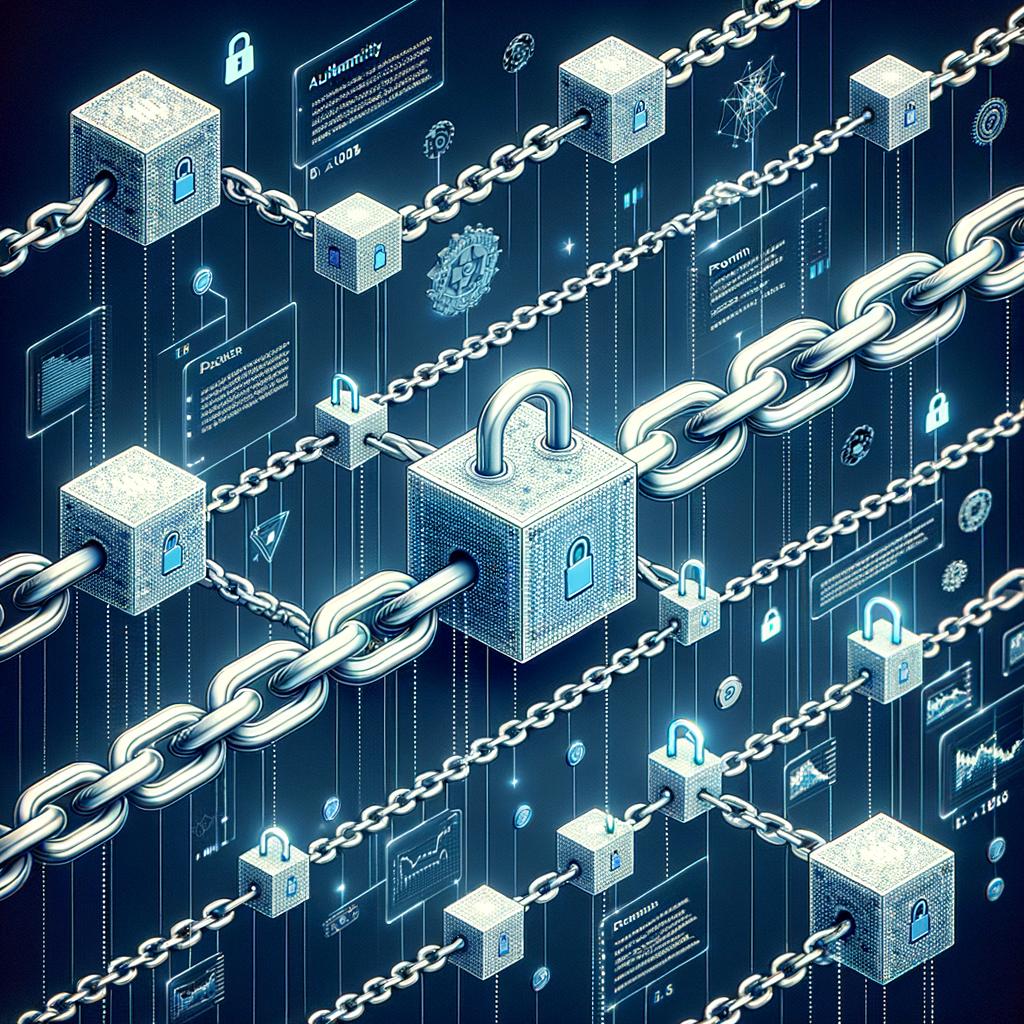
Blockchain technology serves as a revolutionary backbone for ensuring the authenticity of assets across a range of industries.By creating a decentralized and immutable ledger, every transaction is recorded with precise timestamping and digital signatures, which drastically minimizes the chances of fraud. Users can verify the ownership and history of an asset in real-time, making it increasingly tough for counterfeit items to infiltrate the market.
In addition to safeguarding authenticity, blockchain plays a vital role in establishing provenance. The technology allows for a transparent tracking system whereby every movement of an asset-from creation to sale-can be logged and accessed by authorized parties. This creates a chain of custody that is easy to follow, offering insights into the origin, ownership changes, and even the conditions under which the item was stored or displayed. This level of detail empowers consumers and businesses alike to make informed decisions when purchasing or investing in high-value items.
Moreover, the benefits of blockchain extend beyond individual consumers to entire industries, reshaping how they establish and maintain trust. For art, luxury goods, and collectibles, the fear of inauthentic items can deter potential buyers. Though, the ability to easily validate authenticity through blockchain data not only enhances consumer confidence but also elevates the perceived value of authenticated items in the marketplace. Industry professionals are increasingly recognizing that integrating blockchain could be integral to future-proofing their businesses against fraud and deception.
Navigating the NFT Marketplace: A Guide for Artists and Collectors
when entering the NFT marketplace, artists and collectors must first familiarize themselves with various platforms and the specific traits that differentiate them. Popular marketplaces such as OpenSea, rarible, and Foundation cater to a range of digital art forms and have unique community guidelines and fee structures. Researching each platform is crucial, as it can impact visibility and potential sales. understanding how to navigate these environments empowers participants to make informed decisions that align with their goals.
The process of minting an NFT-transforming digital art into a unique token on the blockchain-requires careful consideration. Artists should consider the file types, resolutions, and metadata that accompany their creations. Many platforms allow for additional information, such as titles and descriptions, which can enhance discoverability.Moreover, setting the right price can be a daunting task; creators should consider both current market trends and their own artistic value when determining how to price their work. Interaction with potential buyers through social media and community forums can also provide invaluable feedback in pricing their artworks.
Collectors, conversely, should approach purchases with a strategic mindset. It’s vital to analyze the background of the artist, including their previous works and community engagement, as this can inform the potential value of an NFT. Additionally, keeping an eye on trends in the NFT space can offer insights into future value appreciation. Regularly participating in community discussions and following influential figures can increase a collector’s understanding of the market.strong due diligence and an adaptive approach will empower both artists and collectors as they navigate the dynamic landscape of NFTs.
As we navigate through the evolving landscape of digital ownership, NFTs stand at the forefront of a significant shift in how we perceive and interact with art, culture, and value. Their innovative technology not only enhances the artist’s ability to monetize their work but also empowers collectors and investors by providing verifiable ownership instances that transcend traditional boundaries.
As the dialog around NFTs continues to expand,it’s crucial to embrace this change with a critical eye and an open mind. The potential for NFTs to redefine various sectors-be it music, gaming, or intellectual property-is immense, inviting artists, collectors, and enthusiasts alike to explore their possibilities.
The journey into digital ownership is just begining, and while the road may be paved with challenges, the opportunities are equally expansive. Understanding NFTs is not merely an exploration of a new trend; it is an invitation to engage in the future of creativity and commerce. As we venture further into this digital era, one thing remains clear: the narrative surrounding art and ownership is being rewritten, and the possibilities for innovation and expression are boundless.