
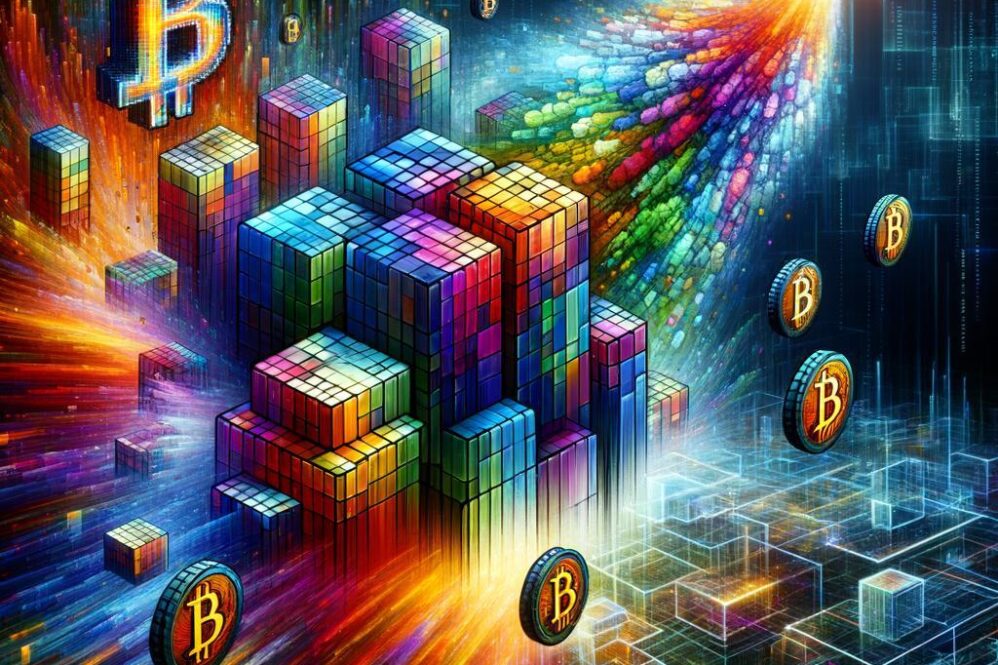
The Rise of NFTs: A New Frontier in Digital Ownership
The advent of non-fungible tokens (NFTs) marks a transformative shift in how individuals and organizations perceive ownership in the digital realm. Unlike customary cryptocurrencies, NFTs represent unique assets verified through blockchain technology, making them indivisible and distinct. This technological innovation has opened up a plethora of opportunities for digital artists, musicians, and creators to monetize their work directly, circumventing intermediaries like galleries or record labels.
Individuals can now buy, sell, and trade digital artworks, collectibles, and even virtual real estate wiht a level of transparency and security previously unattainable. The unique identifiers assigned to each NFT ensure that ownership and authenticity are easily verifiable.This has led to a flourishing market were the scarcity of digital assets can result in significant financial gains.Some notable aspects driving this trend include:
- decentralization: nfts operate on blockchain, reducing reliance on central authorities.
- Community Engagement: Creators can forge deeper connections with their audiences through ownership.
- Innovative revenue streams: Secondary sales allow artists to earn royalties from future transactions.
The rise of NFTs is not just a passing trend; it signifies a basic shift in our understanding of ownership in the digital age. As technology evolves, the potential applications of NFTs span various industries, including gaming, real estate, and even social media. This continues to spark conversation about intellectual property rights and the future of digital art, making it an essential topic for anyone invested in the future of creativity and commerce.
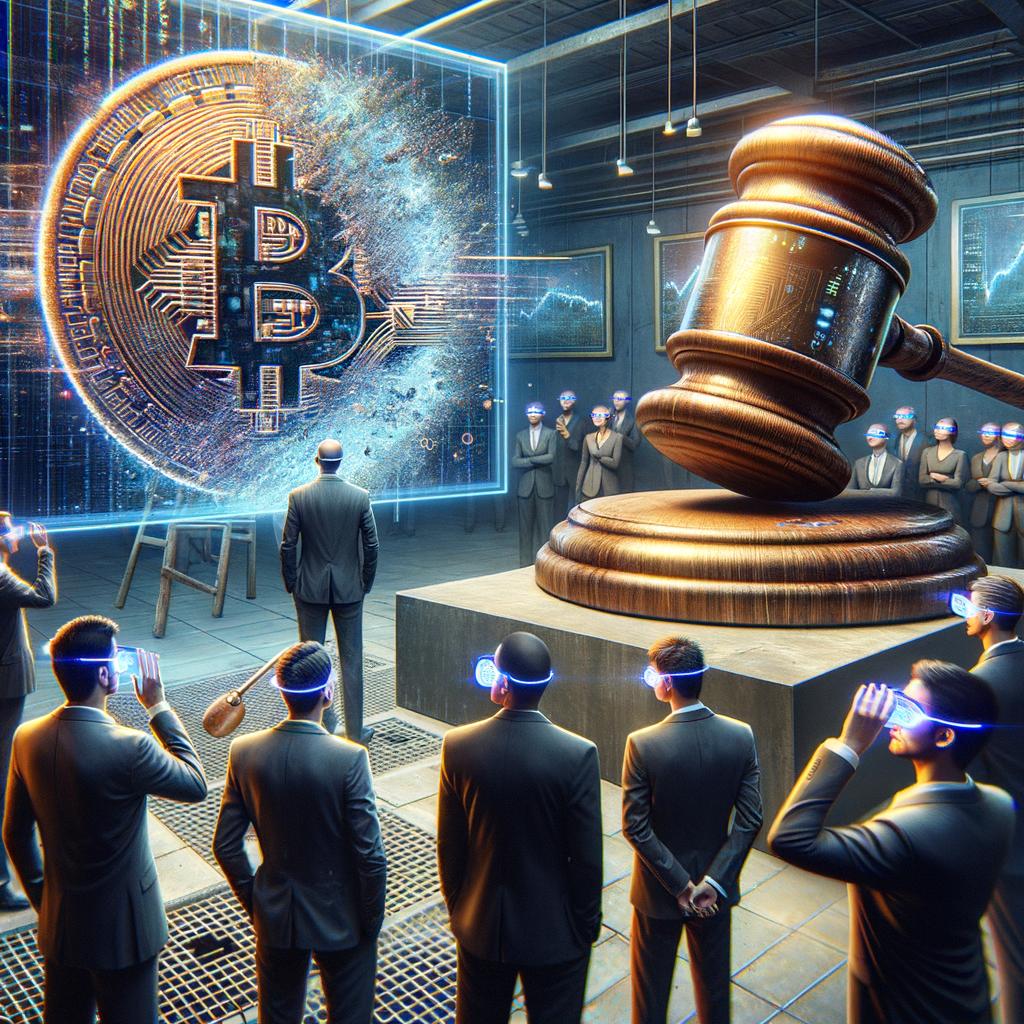
Exploring how non-fungible tokens are revolutionizing the art world and redefining value in the digital age
The emergence of non-fungible tokens (NFTs) has marked a transformative shift in the art world, unlocking new avenues for artists and collectors alike.Digital artists can now mint their works as NFTs, ensuring that their creations are both unique and verifiably owned. This technology allows creatives to bypass traditional art marketplaces, reducing reliance on galleries and auction houses, which have historically taken significant commissions. By selling directly to collectors, artists can retain a greater share of the profits from their work.
Moreover, NFTs have expanded the concept of ownership and provenance in the digital landscape. With every transaction recorded on the blockchain, provenance is transparent and immutable, enhancing trust between artists and purchasers.Collectors can now verify the authenticity of a piece with ease, while artists gain assurance that their royalties will be honored with each subsequent sale.This transparency and security are reshaping the relationship between creators and consumers, fostering a community built on shared values of authenticity and recognition.
Importantly, this technological advancement is redefining value in the digital art market. Traditional assessments of worth based on physical scarcity are being replaced by the uniqueness and demand for digital creations. As collectors seek out not just visual experiences but meaningful connections to artists, the thankfulness for digital art is rapidly evolving. Consequently, the rise of NFTs is not merely a trend; it signifies a fundamental shift in how art is valued, created, and experienced in the digital age.
Unlocking the Technology Behind NFTs
The rise of non-fungible tokens (NFTs) has revolutionized the way we perceive ownership and provenance in the digital realm. At the heart of NFTs lies blockchain technology, a decentralized ledger that securely records transactions across a network of computers. This technology ensures transparency, security, and immutability, making it an ideal foundation for establishing ownership of digital assets. each NFT is unique, containing specific metadata that distinguishes it from conventional fungible tokens like cryptocurrencies.
Smart contracts are another critical component of NFTs, enabling creators to code complex rules that govern the behavior and transfer of their digital assets. Through these self-executing contracts, artists and developers can automate sales, royalties, and even licensing agreements. This empowers creators with a new level of control over their work.Consequently, many artists are leveraging this capability to benefit financially from their creations, ensuring they receive royalties each time their NFT is resold, a revolutionary shift in the art and entertainment industries.
the environmental concerns surrounding NFTs cannot be overlooked, particularly due to the energy-intensive nature of blockchain transactions. However, advancements such as proof-of-stake mechanisms and eco-friendly blockchain platforms are emerging to address these issues. Many creators and developers are now exploring sustainable practices, ensuring that the excitement surrounding NFTs does not come at the expense of the planet. This evolution reflects a broader commitment within the tech community to align innovation with sustainability.
A deep dive into blockchain technology and how it enables secure ownership and provenance of digital assets
Understanding the underlying technology of Bitcoin starts with a look at blockchain,the decentralized ledger that makes secure ownership possible. Each transaction recorded within the blockchain is cryptographically secured and linked to the previous transaction, creating an immutable chain of data. This structure ensures not only transparency but also helps to prevent tampering, establishing a level of trust among users that is otherwise difficult to achieve in digital environments.By employing a consensus mechanism, such as proof of work or proof of stake, blockchain networks can validate transactions without the need for a central authority.
Blockchain technology also plays a critical role in establishing the provenance of digital assets. Through unique identifiers known as hashes, each asset can be traced back through the blockchain to its origin. This capability is particularly significant in industries such as art, collectibles, and even real estate, where the authenticity and ownership can considerably impact value. By enabling buyers to verify a digital asset’s history, blockchain can demystify purchasing decisions, making the investment landscape more accessible and secure.
The implications of blockchain in ensuring secure ownership extend beyond mere asset tracking. With smart contracts—self-executing contracts with the terms of the agreement directly written into code—transactions can be automated, reducing costs and enhancing efficiency. These features facilitate a broader range of applications,including decentralized finance (DeFi) and non-fungible tokens (NFTs),heralding a new wave of innovation in ownership and commerce. By leveraging these technologies, stakeholders in various sectors can better manage their assets, mitigate risks, and capitalize on new opportunities in an increasingly digital world.
The Impact of NFTs on Traditional Art Markets
The rise of digital assets has significantly influenced the valuation and accessibility of traditional art, reshaping how artists, collectors, and investors engage with the market. As NFTs provide a way for artists to tokenize their work,they enable the creation of unique digital certificates that authenticate ownership. Consequently, this innovation has opened up new revenue streams for artists who can now bypass traditional galleries and sell their creations directly to a global audience.The ability to transparently track ownership and provenance further enhances the appeal of NFTs, allowing buyers to invest confidently.
Moreover, the integration of NFTs into the traditional art ecosystem has led to a broader conversation about the definition of art itself. By facilitating digital creations as legitimate works of art, NFTs challenge long-held beliefs about authenticity and value. Art institutions and collectors are gradually adapting to this shift, as evidenced by the growing number of museums and galleries that now host NFT exhibitions.This merging of physical and digital art markets has prompted traditional establishments to explore innovative ways to engage with technology and reach new demographics.
However, the impact of NFTs is not without its challenges. The environmental concerns surrounding blockchain technology, particularly the energy consumption associated with certain networks, have sparked debate within the art community. Additionally, traditional artists may find it difficult to penetrate a landscape dominated by tech-savvy creators. As the markets continue to evolve,stakeholders must navigate these complexities while fostering an inclusive surroundings that respects both digital and traditional art forms. This dynamic interplay will likely redefine the future of art, influencing trends for generations to come.
analyzing the shift in how we perceive art ownership and the potential implications for artists and collectors alike
The rise of digital art and blockchain technology has fundamentally altered the landscape of art ownership. Traditionally, owning a piece of art involved a tangible transaction, where collectors acquired physical works from galleries or directly from artists. However, with the advent of Non-fungible Tokens (NFTs), individuals can now purchase and own unique digital creations without the need for physical possession.This shift in ownership paradigm brings with it several implications for both artists and collectors.
For artists, this new model offers unparalleled opportunities for exposure and revenue generation. Direct sales through online platforms enable creators to reach a global audience without the constraints of traditional galleries. additionally, artists can embed royalties into their NFTs, ensuring that they receive a percentage of sales in secondary markets. This means that rather than losing control of their work after the initial sale, artists can benefit from its continued appreciation. However, this newfound autonomy also poses challenges, such as navigating the volatile market and protecting their intellectual property.
Collectors, too, are experiencing a change in their role and responsibilities. With the ability to own digital art, they can build diverse portfolios that aren’t limited to physical space or mediums. However, this shift necessitates a deeper understanding of the technological underpinnings of blockchain and nfts, as well as the ongoing debates surrounding authenticity and provenance. As the art world continues to evolve, both artists and collectors must adapt to navigate the complexities of this digital frontier while ensuring that their investments are secure and meaningful.
As we conclude our exploration of NFTs and their transformative impact on art and ownership, it is clear that this digital phenomenon is much more than a passing trend. by bridging the gap between creators and collectors,NFTs are redefining the rules of engagement in the artistic landscape. As artists gain unprecedented control over their work and collectors invest in digital assets in novel ways, the notion of ownership has been forever altered.
The implications stretch far beyond the art world, hinting at a future where NFTs could revolutionize industries ranging from music to real estate. However, with great innovation comes the need for awareness and education. As we continue to navigate the complexities of this digital frontier, staying informed will be key to understanding and harnessing the potential of NFTs responsibly.
At this juncture, we invite you to reflect on how these digital assets might influence your perception of art, value, and ownership. Will you embrace this new form of creativity, or will you remain a spectator? The choice is yours, but one thing is certain: the world of NFTs is just beginning to unfold. Stay tuned for more insights and updates as we track the evolution of this captivating trend.