

The Role of Ledgers in blockchain Security
The backbone of blockchain technology lies in its distributed ledger system,which serves as a record-keeping mechanism that enhances security and transparency.Unlike traditional databases controlled by a single entity,a blockchain ledger is decentralized,meaning that copies of the ledger are maintained across a network of nodes. This decentralization creates multiple points of validation, making it exceedingly tough for a malicious actor to alter data without being detected. As an inevitable result,each transaction undergoes a rigorous verification process where the majority of nodes must reach a consensus before any updates to the ledger can occur.
One of the critical elements of blockchain security is its use of cryptographic techniques to ensure the integrity of the data. Transactions are recorded in blocks, which are then connected in chronological order to form a chain. Each block contains a unique hash of the previous block, along with data regarding the current transactions. This makes tampering with any block a near-impossible task, as altering one block would require recalculating the hashes of all subsequent blocks across all nodes in the network. The use of public and private keys further enhances security, allowing users to control their assets while ensuring that their identities remain pseudonymous.
Moreover,the transparency inherent in blockchain ledgers contributes to security by enabling all participants to access and verify the data independently. This level of visibility helps build trust among users and stakeholders since any attempt to manipulate the data can be easily identified and challenged. Moreover, the auditable nature of transactions recorded on the blockchain fosters accountability, as each action leaves an indelible trace that can be reviewed by anyone with access to the network. In essence, the combination of decentralization, cryptographic security, and transparency positions blockchain ledgers as a formidable defence against fraud and unauthorized access.
How Immutable Records Foster Trust in Digital Transactions
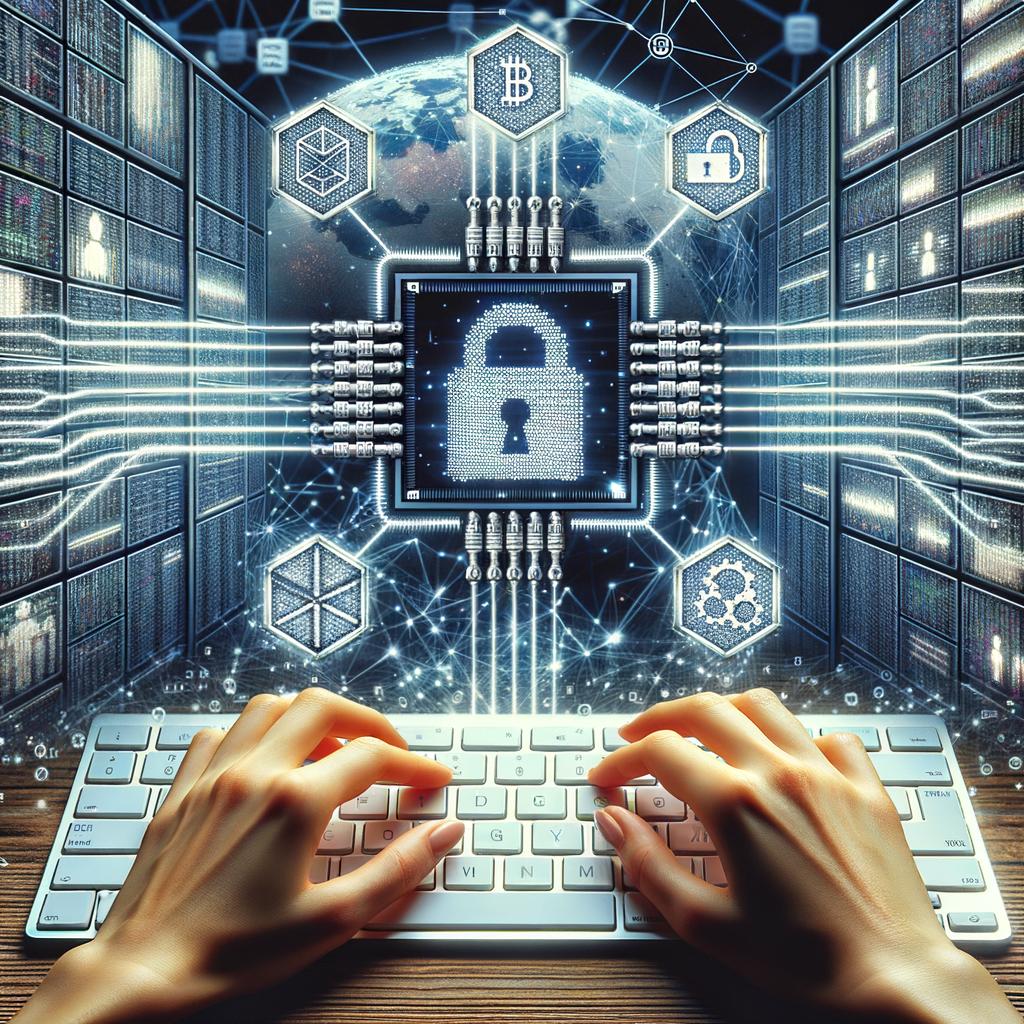
The establishment of immutable records is pivotal in enhancing trust within digital transactions. With traditional systems, the possibility of data manipulation or loss can lead to mistrust among parties involved. Immutable records, often stored on blockchain technology, ensure that once a transaction is recorded, it cannot be altered or deleted. This feature builds confidence among users, as they can independently verify the accuracy and integrity of the facts without relying solely on intermediaries.
Moreover, the transparency offered by immutable records contributes significantly to trust. Every transaction is logged in a public ledger that can be accessed by anyone, thus fostering a sense of accountability. This transparency helps mitigate fraud and corruption by providing a clear, traceable history of actions taken. Users can feel secure knowing that their transactions are not only accurate but also openly documented, making illegal alterations practically impossible.
Furthermore, immutable records empower users by giving them control over their own data. In a world where personal information is frequently compromised, the ability to own and manage one’s digital transactions enhances security and privacy. Individuals are less likely to fall victim to scams or mishandlings when they know their records are irrefutable and safeguarded thru advanced cryptographic methods. This shift towards user empowerment is foundational in building a more trustworthy digital economy.
The Future of Transactions: Why Understanding Ledgers is Essential
As the world moves towards a more digital economy, the concept of ledgers has gained unprecedented importance. Blockchain technology, the backbone of cryptocurrencies like Bitcoin, operates on a decentralized ledger system that records transactions transparently and securely. This technology not only ensures the authenticity of transactions but also eliminates the need for intermediaries, which can reduce costs and increase efficiency. By comprehending how ledgers function,individuals and businesses can better navigate the evolving landscape of digital transactions.
Understanding ledgers is crucial for grasping the implications of smart contracts and decentralized finance (DeFi).These advancements leverage ledger technology to automate processes and enable complex financial operations without traditional banking systems. as various industries adopt these innovations,familiarity with ledger functionality will empower users to make informed decisions and take advantage of new opportunities. Knowledge of how transactions are recorded and validated can definitely help mitigate risks and safeguard assets in an increasingly digital marketplace.
Moreover, ledgers offer a level of security and trust that can transform transactional relationships. With the potential to create immutable records,the use of ledgers fosters confidence among parties involved in any transaction. This shift could lead to greater participation in markets that have historically been underbanked or underserved. Adopting a comprehensive understanding of ledgers will serve as a foundational skill in the future,equipping individuals with the knowledge to participate in and contribute to a more interconnected global economy.
ledgers serve as the fundamental framework for secure and transparent transactions within the blockchain ecosystem. As immutable records,they not only enhance trust by eliminating the need for intermediaries but also pave the way for innovative applications across various industries. As we continue to witness the rapid adoption of blockchain technology, comprehending the intricacies of ledgers will be essential for harnessing their full potential. By understanding how this backbone operates, individuals and organizations can make informed decisions in a digital landscape that increasingly relies on efficiency, transparency, and security. As we look towards the future, the importance of a robust ledger system will only amplify, underscoring the need for continued exploration and education in this dynamic field.