
Unlocking the Blockchain: How Ledgers Ensure Cryptocurrency Integrity
Blockchain technology serves as the backbone of cryptocurrencies, ensuring their robustness and integrity through decentralized ledgers. Each transaction is recorded in a block, and once added to the chain, it becomes immutable. This structure eliminates the risk of data alteration, setting blockchain apart from customary databases. As a result,users can trust that their transactions are secure,verifiable,and clear.
Furthermore, the distributed nature of blockchain enhances security against fraud and counterfeiting. With copies of the ledger stored across thousands of nodes globally, it becomes nearly impossible for a single entity to manipulate the information without detection. Key advantages of this decentralized system include:
- Enhanced security through cryptographic techniques.
- Increased transparency, as all transactions are visible to network participants.
- Reduced reliance on intermediaries, which lowers costs and increases efficiency.
As the demand for cryptocurrencies continues to rise, understanding the intricacies of blockchain technology is essential for users and investors alike. This foundational technology paves the way for innovations in various sectors beyond finance, facilitating trust and dependability in digital transactions. By grasping how ledgers operate, participants in the crypto market can better navigate it’s complexities and harness its full potential.
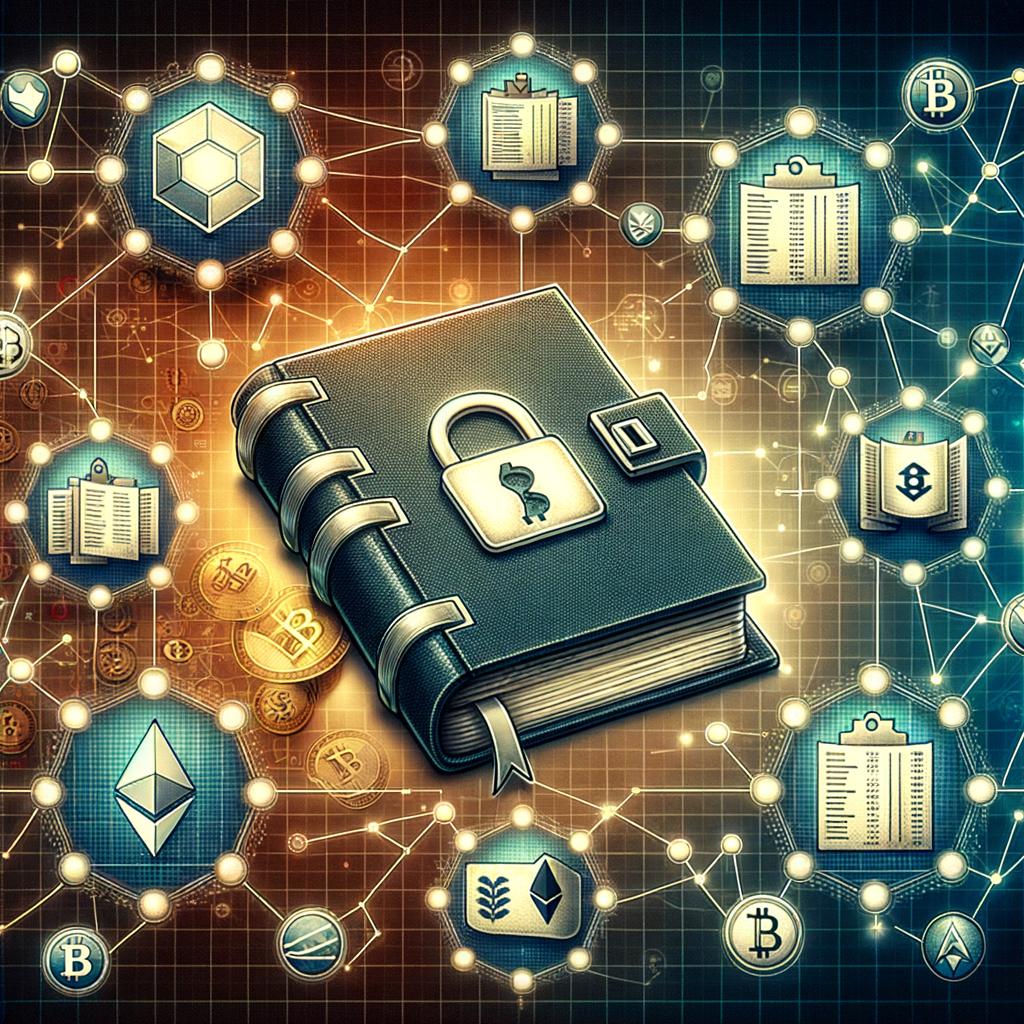
The Role of Distributed ledgers in Securing Digital Assets
distributed ledgers, at their core, provide a transparent and immutable framework for recording transactions.By decentralizing the storage of data across a network of nodes, they eliminate the risks associated with centralized databases, such as data breaches and single points of failure. Every transaction recorded on a distributed ledger is visible to all network participants, fostering trust among users. Furthermore, the cryptographic techniques used in these systems ensure that assets are secured against unauthorized access, thereby enhancing the overall security of digital properties.
The unique characteristics of distributed ledgers, particularly blockchain technology, play a pivotal role in the management of digital assets. Each asset is represented by a unique digital signature,which is securely stored in the ledger.This process involves several key features that enhance asset security:
- Transparency: Every transaction can be audited, allowing stakeholders to verify ownership and authenticity.
- Immutability: Once data is recorded,it cannot be altered or deleted,preventing fraud and ensuring the integrity of information.
- Consensus Mechanisms: Transactions are validated through a consensus process, ensuring that no single entity can manipulate the asset records.
Moreover, the decentralized nature of distributed ledgers empowers users by giving them true ownership over their digital assets. Unlike traditional financial systems where intermediaries manage ownership, distributed ledgers enable direct peer-to-peer transactions. This shift allows users not onyl to manage their assets autonomously but also to implement smart contracts, which automate agreements and enforce terms without third-party intervention. As the demand for ownership and control over digital content grows, distributed ledgers will become increasingly vital in securing and managing digital assets in a post-Web environment.
Navigating the Complexities: Understanding Ledger Technology and Its Impact on Cryptocurrency Security
The foundation of cryptocurrency security lies in the intricate workings of ledger technology, most notably the blockchain. This decentralized digital ledger holds the key to integrity and transparency in transactions,offering a verifiable history of all activities involving a particular cryptocurrency. By eliminating the need for a central authority, blockchain enhances security against common fraud and hacking attempts, ensuring that transactions cannot be manipulated retrospectively. As we navigate this evolving landscape, understanding how these mechanisms work can empower users to engage with cryptocurrency more confidently.
Various types of ledger technologies exist, each with distinct features and security protocols. Public ledgers, such as Bitcoin’s blockchain, allow anyone to participate in the verification process, thereby fostering a more secure ecosystem through user engagement. On the other hand, private ledgers enable companies to maintain control over their transaction data, often employed within institutional settings. The ongoing development of hybrid models seeks to combine the benefits of both public and private systems, promoting both transparency and confidentiality. familiarity with these types can help users assess risks and make informed choices about their participation in the cryptocurrency market.
As the sector continues to advance, the importance of understanding how ledger technology influences security protocols cannot be overstated. Innovations such as smart contracts and intersectional integrations with the Internet of Things (IoT) are pushing the boundaries of what is possible with blockchain. Though, these advances introduce new challenges, including potential vulnerabilities within smart contracts themselves. Staying abreast of these developments and their implications for security will enable individuals and organizations to protect their assets and embrace the full potential of cryptocurrencies.
the ledger serves as the unyielding backbone of cryptocurrency security, epitomizing the principles of transparency, trust, and decentralization that define this revolutionary technology. As we continue to navigate the complexities of the digital currency landscape, understanding the intricacies of ledgers-whether through blockchain technology or other innovative frameworks-becomes imperative. By grasping how these systems function and their critical role in safeguarding our assets, we not only empower ourselves as informed participants in the cryptocurrency ecosystem but also help drive the conversation towards a more secure and transparent financial future. As the world increasingly embraces these technologies, the call for education and awareness has never been more pressing. Let us remain vigilant and informed as we chart our paths through the ever-evolving world of cryptocurrency.