
Unpacking Inflation: What It Means for the Economy and Your Wallet
Inflation has emerged as a critical concern for consumers and policymakers alike, influencing the purchasing power of money and ultimately shaping economic stability. One primary driver of inflation is the balance between supply and demand. When demand for goods and services exceeds supply, prices rise, leading to inflationary pressures. this phenomenon has been exacerbated by various factors,including supply chain disruptions and increased consumer spending,particularly as economies emerge from pandemic-related restrictions.
For individuals, rising inflation translates to higher costs of living. Essentials such as food, housing, and transportation are usually the first to feel the impact, forcing consumers to allocate more of their budgets to meet these basic needs. Financial literacy becomes vital during these periods, as understanding how inflation affects savings and investments allows individuals to make informed decisions. This scenario frequently enough compels consumers to seek out ways to hedge against inflation,such as investing in assets that can maintain or grow value over time,including real estate,commodities,and selective equities.
On a broader scale, central banks play a crucial role in managing inflation through monetary policy tools. By adjusting interest rates and implementing quantitative easing measures, they aim to control inflation levels while fostering economic growth. However, these interventions can have varied effects on the economy and individual finances. As inflation continues to evolve, it is essential for consumers and businesses to stay informed about policy changes and market conditions. Anticipating shifts in inflation can help individuals strategize their financial planning and investment approaches, ensuring they navigate these challenges effectively.
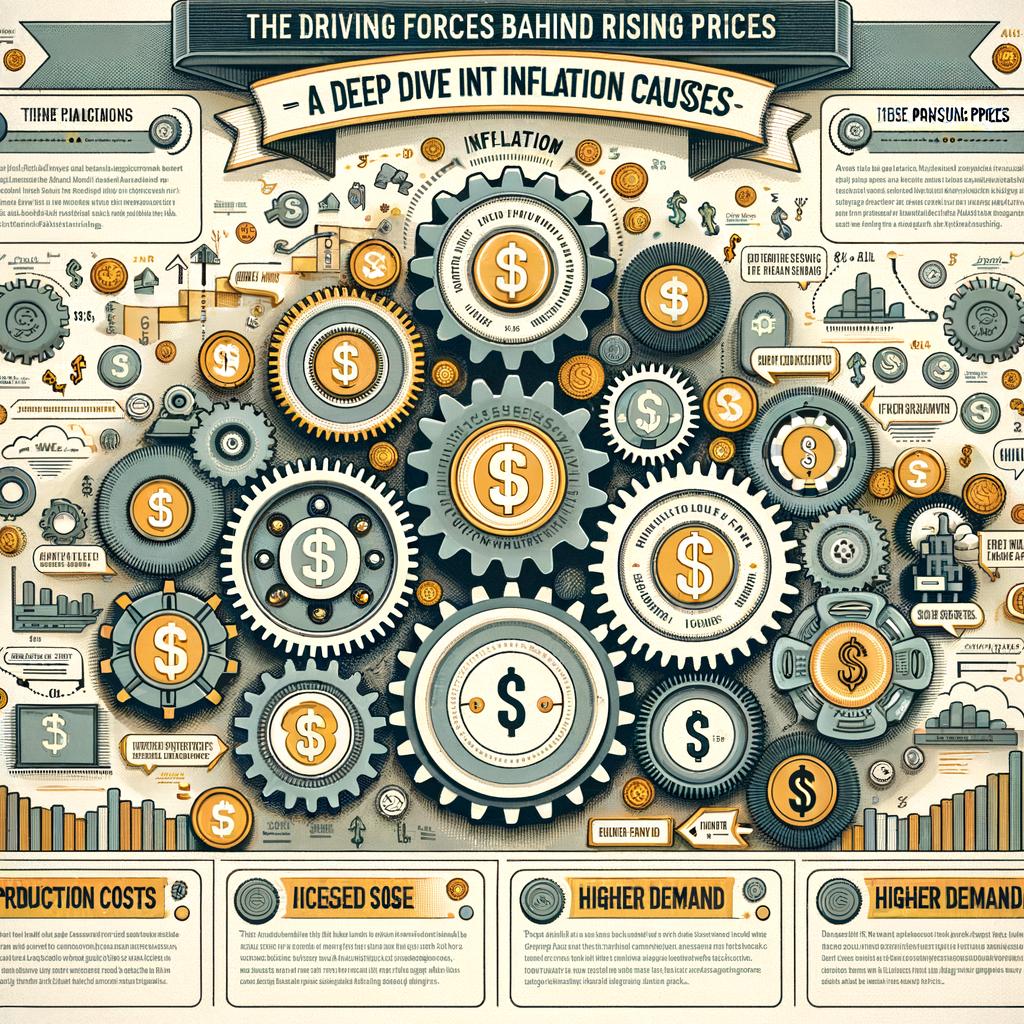
The Driving forces Behind Rising Prices: A Deep Dive into Inflation Causes
As global economies grapple with the ramifications of extensive monetary policies, the persistent rise in inflation continues to shape consumer behaviour and investment strategies. Recent government stimulus measures, while necessary to support economic recovery, have considerably increased the money supply. This influx of liquidity is a double-edged sword, as it fuels immediate economic activity but can also lead to long-term inflationary pressures and the erosion of purchasing power.
Furthermore, supply chain disruptions exacerbate these inflationary trends. The pandemic has highlighted vulnerabilities in global supply chains, causing delays and shortages in key commodities. As demand surges, particularly in post-pandemic economies, the existing supply struggles to keep pace, driving prices higher across various sectors. This imbalance creates a perfect storm for inflation, leaving consumers and businesses alike to navigate the rising costs of goods and services.
In addition,geopolitical tensions and energy prices play crucial roles in the inflation narrative. Recent escalations in conflict and trade disputes have resulted in heightened uncertainty, further straining market stability. The volatility of oil and gas prices not only impacts direct energy costs but also trickles down to influence prices across a myriad of industries. As businesses adapt to these increased operational costs, consumers are likely to bear the burden, leading to an ongoing cycle of rising prices and inflation expectations.
Navigating the Consequences: How Inflation Impacts Consumers and Policy makers
As inflation continues to surge, its ripple effects are profound, influencing both consumers and policymakers in significant ways. For consumers, the increase in prices directly impacts household budgets, forcing many to make challenging choices about discretionary spending. Essential goods such as food, gas, and housing have seen notable price hikes, leading to a squeeze on disposable income and alterations in consumption habits. In particular, budget-conscious families are prioritizing basic needs over non-essential purchases, reshaping the retail landscape as businesses adapt to changing consumer behaviors.
For policymakers,managing inflation presents a complex challenge. Central banks, like the Federal Reserve, often respond by adjusting interest rates—a move that can simultaneously cool inflation yet slow economic growth. As policymakers weigh the consequences of their decisions, balancing inflation control while fostering economic stability becomes paramount. Additionally, inflation can erode public trust in fiscal measures, prompting calls for more clear communication about economic strategies. As an inevitable result, policymakers are tasked with ensuring stakeholders understand the rationale behind monetary policy adjustments, which are critical during periods of financial uncertainty.
The ramifications of inflation extend to societal inequalities, as lower-income households often bear a disproportionate burden. This demographic typically spends a larger share of their income on essential goods, meaning that price increases hit harder compared to wealthier households. consequently, thereS a growing necessity for targeted policy measures aimed at supporting those most affected by rising costs. Initiatives such as improved social safety nets and assistance programs are essential for mitigating the adverse effects of inflation on vulnerable populations. Addressing these disparities not only aids in consumer relief but also strengthens societal cohesion in times of economic distress.
As we conclude our exploration of inflation, it becomes clear that this economic phenomenon is far more than just a numerical increase in prices; it is indeed a complex interplay of various factors that can have profound implications for individuals, businesses, and the economy at large. Understanding the causes—from demand-pull and cost-push influences to monetary policy decisions—allows us to better navigate its effects, such as reduced purchasing power and shifts in consumer behavior.
Furthermore, recognizing the broader implications of inflation helps policymakers and communities devise strategies to mitigate its adverse impacts and harness potential benefits. As we continue to monitor economic developments, it is crucial for every stakeholder—from consumers to business leaders to government officials—to stay informed and adaptable in the face of changing economic conditions. the road ahead may be challenging,but with knowledge and vigilance,we can confront the realities of inflation and prepare for a stable economic future. Thank you for joining us in this educational journey, and be sure to stay tuned for more insights into the forces shaping our economy.