
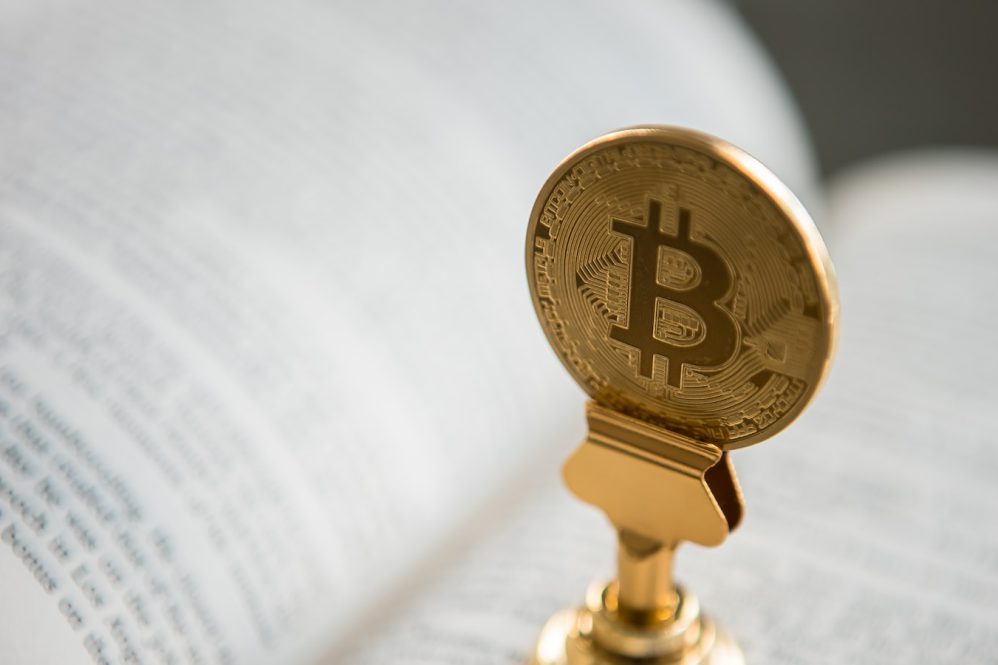
With the rise of cryptocurrencies like Bitcoin, understanding how to use and store them is becoming increasingly important. For those looking to get into the Bitcoin space, mastering the basics of a Bitcoin wallet can be a daunting task. However, with the right knowledge, individuals can quickly learn how to manage and use their Bitcoin wallets for secure and convenient transactions. In this article, we will explore what Bitcoin wallets are and how to use them.
- 1. What is a Bitcoin Wallet?
- 2. Key Benefits of Bitcoin Wallets
- 3. Getting Started – Choosing a Bitcoin Wallet
- 4. Best Practices for Securing Your Bitcoin Wallet
- 5. Understanding How to Receive and Send Bitcoin
- 6. Tips for Buying and Selling Bitcoin
- 7. Making the Most of Your Bitcoin Wallet

1. What is a Bitcoin Wallet?
A Bitcoin wallet is a software program that facilitates the storage, sending, and receiving of Bitcoin. It acts as a digital vault for holding cryptocurrencies and facilitates transfers with secure encryption technology. There are many types of Bitcoin wallets, and each has its own set of benefits and features.
Desktop Wallets are software programs downloaded to a local computer. They offer users the highest level of privacy, security, and control over their wallets. On the downside, they require manual updates and users should always backup their wallet.
Web Wallets are accessed over the internet. They offer convenience, but users must trust the provider to keep their funds safe. They are often hosted on a server controlled by a third-party service.
Mobile Wallets are similar to web wallets, except they feature better privacy. They are available for Android and iOS and are ideal for those who need to make transactions while on the move. Most mobile wallets support both Bitcoin and altcoins.
- Desktop wallets offer the most control and privacy
- Web wallets are more convenient but require users to trust the provider
- Mobile wallets are ideal for those who need to make transactions while on the move
2. Key Benefits of Bitcoin Wallets
Security: Bitcoin wallets are software applications that protect the information exchanged and stored digitally on the blockchain. As a decentralized system, it employs strong cryptography and P2P distribution to secure wallets and transactions. Bitcoin wallets also come with multi-signature functionality, which requires two or more parties to cryptographically authorize a transaction before it can take place.
Control and Privacy: Bitcoin wallets are entirely under the control of their owners, giving them full control over their money and the ability to determine which transactions they want to make. Bitcoin users are also afforded a high degree of privacy when they interact with the blockchain, as no personally identifiable information such as names, addresses, or account numbers are associated with users or transactions.
Convenience: If users want to use their Bitcoin for purchases, they can easily acquire it from an online exchange, and then use it with their Bitcoin wallet. Users can then transfer money from their wallet to merchant services and vendors with ease. They can also send money across the globe without the need to exchange their currency for another.
Transparency: As the transactions stored on the blockchain are visible to anyone with access, there is a high level of transparency surrounding Bitcoin wallets. Everyone can view the transactions that take place, as well as the amount sent and received. This makes it easier to keep track of transactions, while also ensuring that fraudulent activity can be recognized.
3. Getting Started – Choosing a Bitcoin Wallet
Security
Selecting a Bitcoin wallet should be a well-thought out decision, since security is your primary concern.
Your wallet is the medium through which you access your funds, and leaving your funds in the hands of an irresponsible party makes you vulnerable to theft and loss. Do your research, and stay away from wallets created by unknown entities. Make sure you understand the security protocols of each wallet provider, and look for two-factor authentication if possible.
Features
- Explore the features of a wallet to ensure it meets your needs
- Look for wallets that provide a wide range of features, such as different cryptocurrency support, transaction history, and ease of use
- Consider the portability of your wallet; you may want to select a wallet that has mobile or desktop platforms
Usability
The interface of a wallet should be intuitive, so think about ease of use when making your selection. Make sure you understand the setup of the wallet and the process of sending and receiving funds. Look for wallet reviews and find out if the wallet is beginner-friendly.
Cost
Review the pricing information for each wallet you’re considering. Would setting up an account free? Does the wallet charge transaction fees? Is there an additional charge for using certain features? Asking yourself these questions can help determine the most cost-effective wallet.
4. Best Practices for Securing Your Bitcoin Wallet
Passwords and Authentication
The number one best practice for protecting your bitcoin wallet is to create and use secure passwords. It’s easy to assign the same password to multiple accounts, but this is highly discouraged. Furthermore, you should consider using two-factor authentication; a system that requires an additional verification code from a separate device, typically a phone.
Backup and Restore Process
You should also create a recovery seed; a list of random words that serve as a form of backup. You can use this recovery seed to restore your wallet in case of emergency. Additionally, it is a good idea to create a backup of the wallet file and store it in an offsite and secure location.
Using Online Wallets
Using a cloud-based wallet provided through a service like Coinbase has its pros and cons. On one hand, these services are usually pretty secure, and allow you to access your wallet from any device. On the other hand, you must entrust a third-party with keeping your wallet secure. Before using this kind of service, you should research their security protocols to make an informed decision.
Updates and Anti-Virus
In order to stay secure, it is important to keep all software pertaining to your wallet up-to-date. Bitcoin wallets are often targeted by hackers, and regular updates can help manage security threats. It is also a good idea to use an anti-virus software to scan your wallet for potential viruses. Here are some of the best anti-virus software available:
- Kaspersky
- Bitdefender
- Norton
- McAfee
5. Understanding How to Receive and Send Bitcoin
Receiving Bitcoin
Receiving Bitcoin is simple. You need a wallet to receive it. If you do not have a wallet, you can create one online or on your smartphone. When you receive Bitcoin, you get a string of numbers and letters called an address that you can use to accept payments. The address is often a long string of letters and numbers, or a QR code you can scan. When you receive Bitcoin, it appears in your wallet, and you can use the cryptocurrency to purchase items or exchange it for other currencies.
Sending Bitcoin
Sending Bitcoin is also straightforward. You start by copying the wallet address of the person you want to send Bitcoin to. Then, open your wallet and paste the address. After that, type in the amount of Bitcoin you want to send and click send. The transaction is usually completed within minutes. To keep your wallet safe, make sure to always double-check the address you are sending your Bitcoin to.
Sending and Receiving Security Tips
- Always double-check the wallet address.
- Make sure your computer is secure.
- Enable two-factor authentication.
- Use only wallets from trusted third-party providers.
- Always double-check the transaction amount.
- Be aware of phishing attacks.
- Avoid using public Wi-Fi to make transactions.
- Always log out when you are finished using your wallet.
Cryptocurrency exchanges have also upped their security levels and some allow users to store their Bitcoin in an offline wallet, which drastically reduces the risk of any type of theft or unregulated access. Keeping your wallet secure is essential, as a lost private key or password can be devastating.
6. Tips for Buying and Selling Bitcoin
Do Your Research. Before buying or selling Bitcoin, research the market thoroughly. Look up the price of the currency in the past and assess the current Bitcoin price. Consider the security of the exchange where you buy and sell Bitcoin. Look into the company that issued the currency and read reviews from other users of their service.
Choose Your Trading Platform. There are several online platforms and marketplaces where you can buy and sell Bitcoin. Choose the one which fits you best in terms of features, security and fees. Review the terms of service carefully to make sure you know what rights you are giving away and what you are getting in return.
Create a Digital Wallet. A digital wallet is a digital account or program where you securely store your Bitcoin. There are several digital wallet services to choose from. Some offer the ability to trade with multiple currencies, while others may have flexible fees and settings. Depending on the program, you may also have access to a virtual marketplace where you can exchange goods and services with others.
Conduct Security Checks. Before buying or selling Bitcoin, check the security measures of the website or app your are using. Ensure all passwords are secure and held in a safe place. Authenticate all transactions with two-factor authentication. Ensure your digital wallet is secure by regularly updating it and using strong passwords. Here are some additional tips:
- Always use a reputable marketplace or platform.
- Keep a record of all your Bitcoin transactions.
- Do not store large quantities of Bitcoin in an online wallet.
- Be aware of the tax implications of trading Bitcoin.
7. Making the Most of Your Bitcoin Wallet
Bitcoin wallets provide a secure way to store cryptocurrency. Knowing how to use your Bitcoin wallet will help you get the most out of it, so it’s important to understand how they work.
Create a Backup: The simplest and most important way to make the most of a Bitcoin wallet is to create a backup. It’s essential to have multiple backups available, as it will ensure that there’s no way to lose access to your wallet or your Bitcoin holdings completely. A great way to secure your wallet is to store your backup offline, for example on a USB drive.
Do Research: Different Bitcoin wallets have different features, such as the different types of wallet (hot wallet or cold storage), the transaction fees, and the types of coins accepted. Do some research to determine which wallet is right for you and your needs.
Secure it with a Password: Bitcoin wallets can be secured by a password, ensuring that only you can access it. Having a good password is important, as without it your wallet could be vulnerable. It’s also a good idea to use two-factor authentication, as this will add an extra layer of security.
Be wary of scams: When it comes to using a Bitcoin wallet, be careful and do your research. Make sure to read reviews and do your diligence to make sure you don’t fall victim to any scams. Here are some of the things to watch out for:
- Phishing emails claiming to offer free Bitcoin
- Fake wallets
- Sites claiming to offer high returns on your Bitcoin
- Fake “investment opportunities”
By following these tips, you can ensure you make the most out of your Bitcoin wallet and avoid falling victim to any scams.
So there you have it, the basics to understanding how to use a bitcoin wallet. With an increasing number of outlets accepting or even offering cryptocurrency, learning how to navigate wallets is an essential piece of the puzzle for bitcoin users. Keep in mind that most wallets are fairly straightforward to use and are an important tool for anyone looking to take advantage of the cryptocurrency market.