
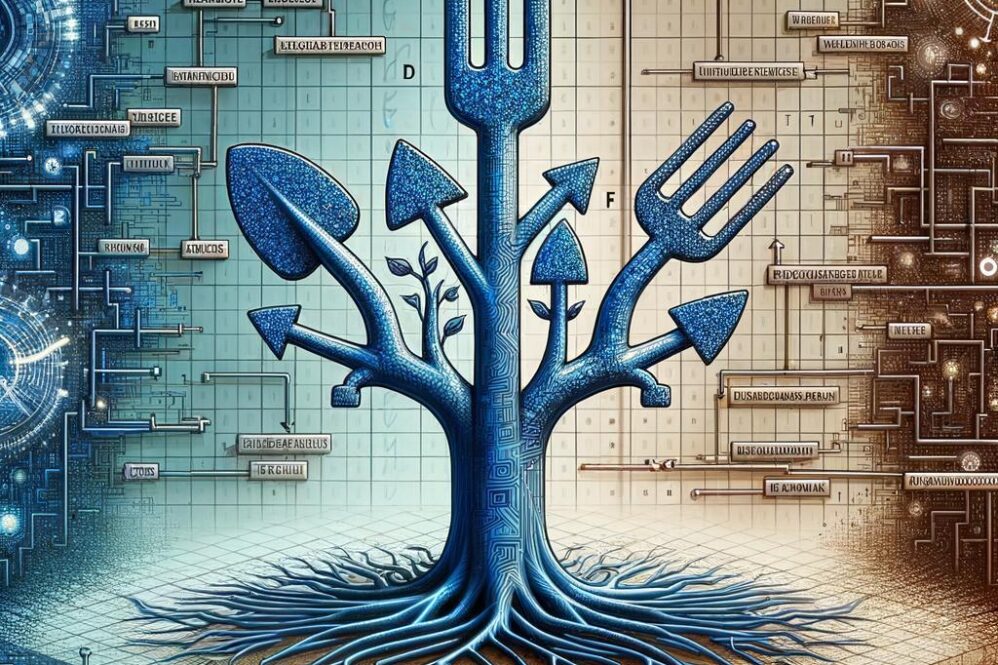
Decoding Blockchain forks: Hard vs. Soft Unraveled
Understanding the nuances between hard forks and soft forks is essential for anyone involved in the blockchain ecosystem. A hard fork signifies a significant and often contentious alteration to the blockchain protocol, leading to a permanent divergence from the previous version. This typically results in two separate chains, where the original and the new protocol co-exist, often with their respective cryptocurrencies.The decision to implement a hard fork can stem from various factors, including community disagreements over governance, the introduction of new features, or essential security upgrades.
in contrast,a soft fork refers to a more subtle form of protocol change that remains compatible with the older version of the blockchain. Typically, this means that nodes that haven’t upgraded can still process transactions; however, some possibly new features may become inaccessible until they are updated. Soft forks are generally regarded as less disruptive as they maintain a single blockchain without forking into multiple versions. Commonly, soft forks are employed to enhance security or improve efficiency without causing a split in the community.
Each type of fork carries its own implications for the network and its users. With hard forks, the potential for fragmentation of user bases and market instability increases, as seen in prominent cases like Bitcoin Cash’s split from Bitcoin. Conversely,while soft forks tend to foster unity within the blockchain community,they depend on a majority adoption to be effective. Understanding these differences not only clarifies the decision-making processes behind alterations in blockchain but also informs investors and developers about the potential impacts of such changes on their digital assets.

The Impact of Forks on Network Integrity and User Trust
The process of forking can considerably affect both the integrity of a blockchain network and the trust its users place in it. When a hard fork occurs, the blockchain effectively splits into two separate paths, which can lead to a bifurcation of the community. this division might result in two distinct cryptocurrencies, each with its own set of rules and governance structures. Users are often faced with choices that challenge their loyalty and understanding of the underlying technology. The perception of stability and security can be compromised, as stakeholders navigate the implications of these changes on their investments and participation in the network.
Moreover, the impact of forks can extend to the overall health of the blockchain ecosystem. When a soft fork is executed properly, it allows for upgrades without disrupting the existing chain, thus maintaining a coherent and unified ledger.Though, poorly communicated or executed changes can lead to confusion, resulting in fragmented networks. This fragmentation may create vulnerabilities that can be exploited, impacting not only the trust in that specific cryptocurrency but also in the broader blockchain technology.To mitigate such risks, transparent governance and open interaction are crucial in fostering user confidence and ensuring that the implications of any fork are well understood.
User trust is intricately tied to the perceived reliability of the underlying technology. Following a fork, users often seek assurances about the integrity of the network and the security of their assets. A well-managed fork can bolster user confidence by demonstrating the community’s ability to adapt and innovate, while a chaotic or contentious fork can lead to skepticism. As users weigh their options, they tend to favor networks that prioritize user protection, established governance, and clear pathways for advancement. Thus,the aftermath of any fork is not just a technical conversation; it is indeed also deeply entwined with user sentiment and the future adoption of the technology.
Navigating the Future: How Forks Shape Cryptocurrency Ecosystems
The concept of forks in cryptocurrency projects plays a significant role in shaping the development and future of digital currency ecosystems. Hard forks and soft forks are the two primary types of forks, each impacting the network’s protocol in distinct ways. A hard fork results in a permanent divergence from the original blockchain, creating an entirely new version that is incompatible with the prior one. This frequently enough leads to the creation of a separate cryptocurrency, as seen with Bitcoin and Bitcoin Cash. In contrast, soft forks are backward-compatible updates where the new rules are adopted by existing nodes without splitting the blockchain. These changes are generally less disruptive and maintain the unity of the original network.
One major result of forks is the potential to foster innovation within the cryptocurrency space. Developers leverage forks to implement new features, enhance scalability, or address security vulnerabilities. Notably, forks can be driven by community consensus or contentious disagreements within the core team, which can lead to intense debates and divisions among users and miners. Consequently, a strong understanding of community dynamics and governance models is crucial for engaging with different projects.Forks can spark the introduction of groundbreaking technologies, but they can also create confusion and fragmentation if not approached with caution.
Moreover, forks can significantly impact market sentiment and investment strategies.Depending on the nature of the fork, they can generate excitement and speculation, resulting in price volatility for the associated cryptocurrencies. Investors often need to remain vigilant about upcoming forks, as their implications can affect not only the assets directly involved but also the broader market landscape. It is indeed essential for stakeholders, including miners, traders, and developers, to navigate the intricacies of forks carefully. Maintaining awareness of the evolving cryptocurrency ecosystem allows participants to make informed decisions while capitalizing on opportunities that arise from such protocol changes.
As we traverse the intricate landscape of blockchain technology, the distinction between hard forks and soft forks becomes increasingly crucial. These mechanisms are not just technical adjustments; they embody the dynamic nature of governance and innovation within blockchain ecosystems. Understanding forks equips users,developers,and stakeholders with the knowledge to navigate potential implications on security,scalability,and user experience.
In an era where cryptocurrencies are gaining traction across various sectors, comprehending these changes empowers participants to make informed decisions and contribute actively to the evolution of this transformative technology. As we move forward, staying abreast of ongoing developments and emerging trends surrounding forks will be essential in shaping a resilient and inclusive blockchain future. Embrace this journey of exploration, and remain engaged as the blockchain narrative continues to unfold, for the implications of our understanding today will ripple through the innovations of tomorrow.