
The Role of Exchanges in Facilitating Global Trade
Exchanges serve as pivotal platforms that connect buyers and sellers, facilitating transactions across various financial markets. They not only provide the infrastructure for trading but also enhance liquidity, making it easier for participants to enter and exit positions. This role is especially paramount in global trade, as exchanges help stabilize prices through efficient matching of supply and demand. The inherent transparency in pricing is critical for fostering trust among participants, thereby encouraging more robust participation in international markets.
Furthermore, exchanges enable the execution of trades in a standardized manner, which is essential for ensuring compliance with regulatory frameworks. They implement rigorous operational procedures and surveillance mechanisms,minimizing the likelihood of fraud and manipulation. The presence of regulatory oversight and adherence to best practices ensures that the market remains fair and equitable,thereby promoting investor confidence. Additionally, exchanges often provide educational resources and market analysis, empowering traders and investors with the knowledge they need to navigate complex global trade environments.
The integration of technology into exchanges has revolutionized the trading landscape, leading to the emergence of electronic platforms that facilitate real-time trading across borders. This technological advancement has enabled smaller enterprises and individual investors to access global markets that were previously dominated by larger institutions. Consequently, exchanges are not only democratizing access to trade but also promoting diversity in market participation. In this increasingly interconnected world,the effectiveness of exchanges in improving market access and efficiency will be a key determinant of global trade growth.
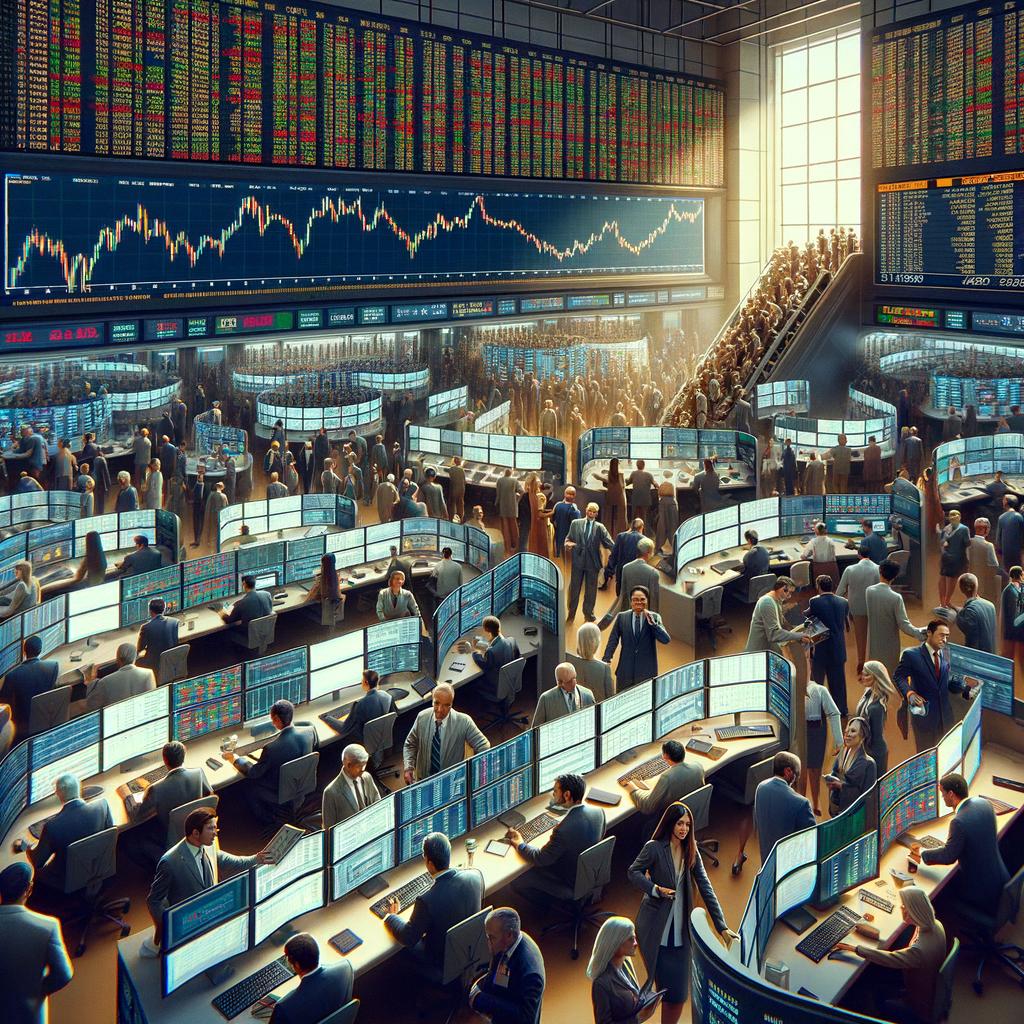
Navigating Market dynamics: How Exchanges Operate
The operation of cryptocurrency exchanges is fundamental to understanding market dynamics. These platforms facilitate the buying,selling,and trading of digital currencies,acting as intermediaries between buyers and sellers. They typically match orders through an order book, which is a list of pending trades categorized as either buy or sell orders. This system allows for the efficient execution of transactions while providing users with real-time price information. The price of Bitcoin and other cryptocurrencies is steadfast by supply and demand dynamics on these exchanges.
Exchanges can be broadly categorized into two types: centralized exchanges (CEX) and decentralized exchanges (DEX). Centralized exchanges are operated by companies that act as trusted third parties to oversee transactions, often providing additional services such as wallets and advanced trading tools. In contrast, decentralized exchanges operate without intermediaries, enabling peer-to-peer trading directly on the blockchain. This difference affects not just user experience, but also levels of security, regulatory compliance, and user control over funds.
Market dynamics are further influenced by liquidity and volatility, both of which are crucial for traders. High liquidity on an exchange means that there are enough buy and sell orders to facilitate trades without meaningful price changes. Conversely, low liquidity can lead to increased volatility, making it more challenging for traders to execute large orders at stable prices. This interplay of liquidity and volatility can create opportunities and risks, emphasizing the need for traders to understand market conditions and the functioning of the exchange platform they choose to utilize.
The Impact of Technology on Modern Exchange Systems
The landscape of global exchange systems has undergone a monumental transformation driven by technological advancements. automation and digitalization have streamlined operations, reducing the reliance on manual processes and enhancing accuracy. Innovations such as blockchain technology and artificial intelligence (AI) are now pivotal, offering transparency and efficiency.These developments have led to:
- Faster Transactions: Digital currencies and electronic payments enable instant transfers across the globe.
- Lower Costs: Technology minimizes the need for intermediaries, significantly reducing transaction fees.
- Enhanced Security: Advanced encryption methods protect sensitive data and reduce fraud risk.
Moreover, the rise of mobile wallets and peer-to-peer payment systems has democratized access to financial resources, catering to underbanked populations.By utilizing smartphones and digital platforms, individuals can participate in modern economies without traditional banking services. This shift has provided opportunities for:
- Financial Inclusion: More people,especially in developing regions,can engage in commerce and save money.
- Consumer Empowerment: Users can easily compare prices and services, promoting competitive practices among vendors.
- Increased Accessibility: Users can access their finances anytime, anywhere, promoting flexibility in financial planning.
the integration of fintech innovations into existing exchange systems has sparked competition and collaboration within the financial sector. Traditional banks and emerging fintech firms are finding ways to work together, leading to hybrid solutions that benefit consumers. Key outcomes include:
- Better Customer Experience: Enhanced user interfaces and services meet consumer expectations for efficiency.
- Product Diversification: Financial institutions can offer varied products that cater to different market segments.
- Regulatory Evolution: As technology advances, regulatory frameworks are adapting to accommodate new business models while ensuring consumer protection.
as we have explored throughout this article, exchanges serve as the vital infrastructure for global trade, facilitating not only the flow of goods but also the exchange of ideas and innovations across borders. Understanding how these platforms operate is essential for anyone looking to navigate the complexities of today’s interconnected economy. By embracing the mechanisms and trends that govern exchanges,businesses and individuals alike can position themselves to make informed decisions,capitalize on emerging opportunities,and contribute to a more resilient and dynamic global marketplace. As the landscape of trade continues to evolve, staying informed about the underlying frameworks that drive exchanges will empower participants to thrive in an ever-changing economic habitat.