
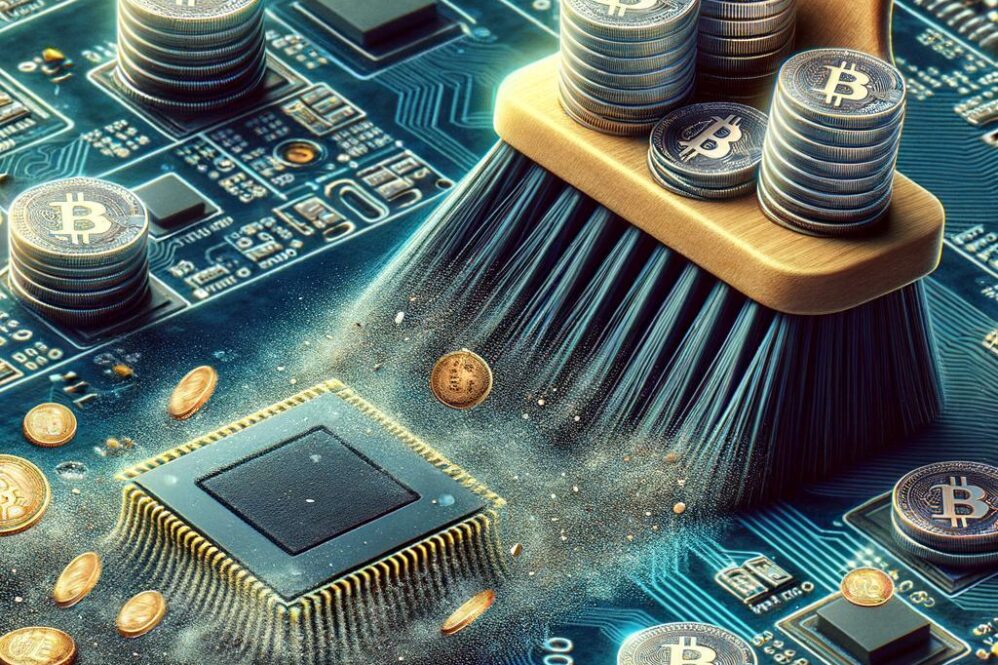
1. “Demystifying Dust: What it is indeed and why It Matters in Crypto Transactions”
In the cryptocurrency realm, “dust” refers to very small amounts of coins or tokens that are considered unspendable due to their minimal value. Typically, dust amounts fall below the transaction fees required to move them, rendering them effectively unusable in practical terms. For instance, if a user holds a small fraction of Bitcoin, perhaps accumulated through various transactions, the cost to move this amount may exceed its worth, resulting in a collection of dust that serves little purpose in their account.
Understanding dust is crucial for any crypto investor. Beyond being just a technical term, it has implications for the broader financial ecosystem. As cryptocurrencies gain traction, dust can accumulate from frequent trading and small transfers, leading to wallets with numerous tiny balances that clutter user interfaces and disrupt portfolio management. Also, certain wallets and exchanges do not allow users to trade dust amounts, which can be frustrating for those aiming to consolidate their holdings and maximize asset utilization.
Moreover, dust can affect the security and privacy of transactions. Some users might find their wallets bloated with dust, making it more challenging to track balances and manage assets effectively. Additionally, it poses a concern regarding the identification of transactions for tax compliance. Users may need to account for these insignificant amounts when reporting their income or gains,complicating record-keeping.As such,a deeper understanding of dust’s role in crypto transactions allows individuals to make more informed decisions regarding their digital assets and overall investment strategy.

2. “The Hidden Costs of Dust: How Microtransactions Can Impact Your Wallet”
Microtransactions, often seen as a convenient way to enhance the gaming experience, can accumulate hidden costs that severely impact your wallet. As players make small,seemingly insignificant purchases,they may not realize how these transactions can add up over time. A single purchase may feel like an innocuous decision, but when extrapolated over many gaming sessions, the financial implications can be substantial. Gamers may find themselves caught in a cycle of spending, inadvertently leading to more substantial financial commitments than anticipated.
Additionally, the psychological effects of microtransactions can further complicate financial decision-making. Gamers may experience FOMO (fear of missing out) when they see limited-time offers and exclusive items, which can lead to impulsive purchasing behavior. This aligns with behavioral economics principles, were the immediate gratification associated with microtransactions overshadows the long-term financial consequences. As these purchases are often framed as affordable in isolation, players may not grasp the total spending incurred until they find themselves analyzing their bank statements, often in shock.
To mitigate the impact of microtransactions, players should adopt proactive budgeting strategies. Setting spending limits for in-game purchases and regularly assessing gaming habits can help maintain financial control. Furthermore, developers must consider ethical practices in designing microtransaction models that are fair and clear, encouraging players to engage without undue financial pressure.Balancing enjoyment with fiscal responsibility is essential in an industry where microtransactions are increasingly prevalent, ensuring that gaming remains an enjoyable hobby rather than a financial burden.
3. “Navigating the Dust Problem: Strategies for Efficient Crypto Transactions”
The dust problem, a term referring to the accumulation of tiny amounts of cryptocurrency that are often too insignificant to be used for transactions, poses a notable challenge for crypto users and traders. As network fees continue to fluctuate, small amounts of Bitcoin or other cryptocurrencies, often referred to as ”dust,” can accumulate in wallets, leading to inefficiencies in transaction management. To combat this issue, users must adopt strategic approaches to ensure that their digital assets remain liquid and usable without incurring excessive fees.
One effective strategy is to consolidate smaller amounts of crypto into larger transactions during favorable network conditions. This could mean periodically executing transactions when fees are lower, thereby reducing the overall cost associated with moving these tiny amounts. Users can employ wallet functionalities, such as coin control features, which allow for precise management of the coins being spent, ensuring that dust is not left stranded in wallets after transactions are completed. Additionally, utilizing the right wallet services can provide users with insights and optimal timing for transactions, ultimately enhancing efficiency.
Another consideration is the practice of using Layer 2 scalability solutions, such as the Lightning Network, which facilitate faster and cheaper transactions. These networks allow users to transact smaller amounts with substantially reduced fees, addressing the dust problem effectively.Engaging with these advanced solutions not only optimizes the user experience but also supports the broader network by alleviating congestion and promoting higher transaction throughput. As the landscape of cryptocurrency continues to evolve, embracing these strategies will be essential for navigating the complexities associated with the dust problem.
As we conclude our examination of dust in cryptocurrency transactions,it becomes clear that while this seemingly insignificant aspect of the digital currency landscape may not capture the headlines,its implications are far-reaching. Understanding dust is crucial for navigating the complexities of crypto wallets, transaction fees, and the broader ecosystem of digital currencies. As the crypto market continues to evolve, recognizing the challenges and intricacies posed by dust can empower users to make informed decisions and enhance their transactional efficiency.
Looking ahead, it is vital for users, developers, and regulators alike to confront the subtle yet pervasive issues of dust within the cryptocurrency framework. By shedding light on this invisible challenge, we pave the way for a more efficient and accessible financial future. As the crypto narrative unfolds, let us remain vigilant in addressing its complexities, ensuring that every transaction truly reflects the value we place on this revolutionary technology.