

Understanding Decentralization: A Pillar of Financial Sovereignty
Decentralization stands as a fundamental principle in the architecture of cryptocurrencies, notably Bitcoin. By distributing control and operation across a vast network of nodes rather than relying on a single central authority, decentralized systems empower individuals to exercise greater control over their financial assets. This shift alters the conventional financial landscape, wich has typically been dominated by intermediaries such as banks and governments, allowing users to transact peer-to-peer securely and transparently.
The importance of decentralization extends beyond individual transactions; it is indeed intrinsically linked to the concept of financial sovereignty. Financial sovereignty refers to the ability of individuals and communities to manage their own financial affairs without undue interference from external parties. Through decentralization, users can avoid censorship and restrictions frequently enough imposed by centralized entities, enabling them to retain autonomy over their investments and wealth. Key aspects of decentralization include:
- Permissionless Access: Anyone can participate in the network without needing approval from a central authority.
- Enhanced Security: The distributed nature of the network makes it more resilient to attacks and failures.
- Greater Privacy: Users can transact without relinquishing personal data to third parties.
Moreover, the implications of decentralization resonate with issues of national security. As governments and regulatory bodies grapple with the rise of cryptocurrencies, understanding the nuances of decentralization becomes crucial. It poses challenges to traditional regulatory frameworks and highlights the potential for decentralized finance (DeFi) to reshape economic power dynamics. As Bitcoin evolves, its decentralized nature not onyl fortifies financial independence for individuals but also serves as a critical element in discussions surrounding national security and the global economy.
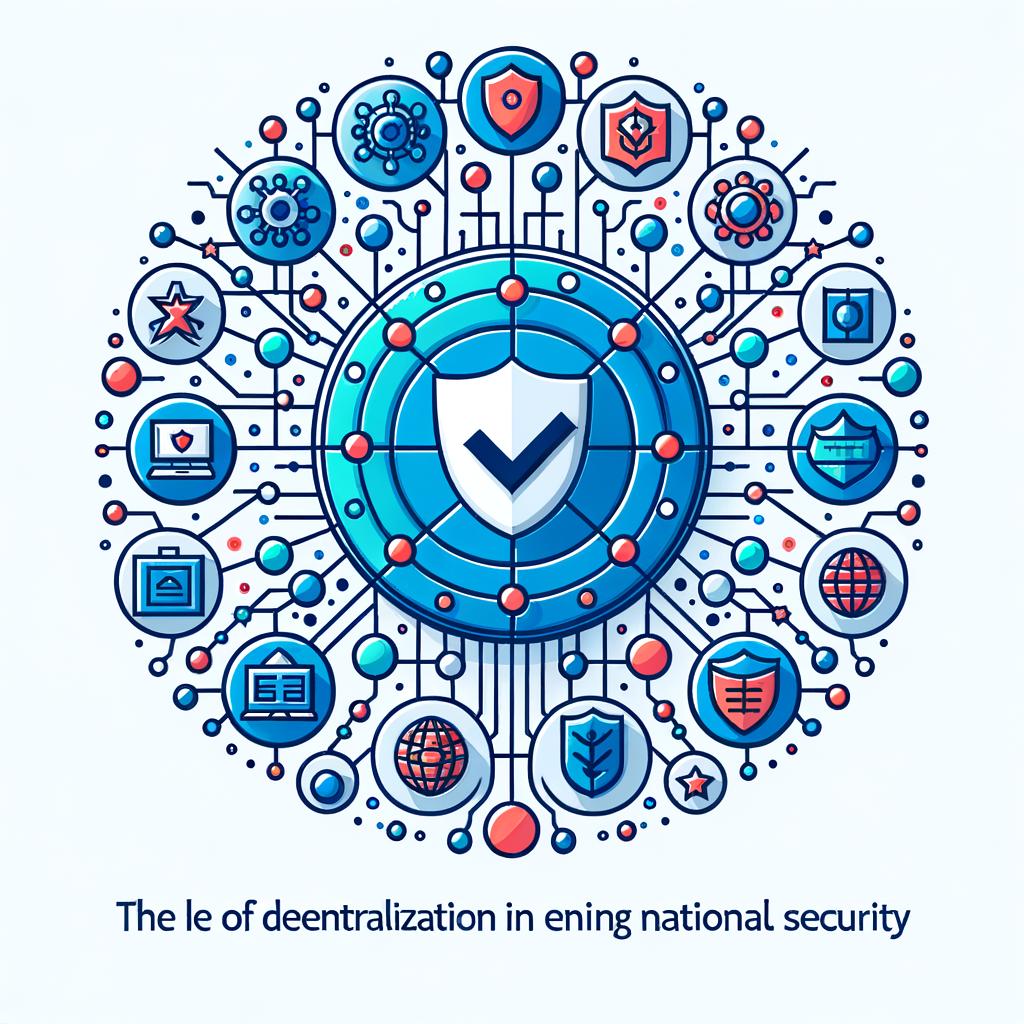
The Role of Decentralization in Enhancing National Security
The concept of decentralization has emerged as a crucial element in reinforcing national security, particularly in relation to financial systems like Bitcoin. By eliminating single points of failure, decentralized systems reduce vulnerability to attacks and manipulation. This structural resilience is significant for:
- Mitigating Cyber Threats: Centralized systems frequently enough attract cybercriminals due to their concentrated data repositories. Decentralization spreads risk across a broader network, making it significantly harder for hackers to compromise the entire infrastructure.
- Ensuring economic Stability: Governments that embrace decentralized currencies like Bitcoin can buffer against financial crises caused by centralized banking failures, ensuring that economic activities remain robust and protected from systemic collapses.
Moreover, decentralization enhances personal privacy and data security, which is paramount in an era where information is increasingly susceptible to surveillance and exploitation. With cryptocurrency transactions being inherently more private, citizens can engage in economic activities without the looming threat of government or corporate oversight. This aspect ties into broader security concerns, as a vigilant populace is better equipped to champion privacy and defend against authoritarian encroachments. Key benefits include:
- Empowering Individuals: As users maintain control over their assets and personal data,they can safeguard against external monitoring and influence.
- Fostering Innovation: With fewer regulatory hurdles, innovation thrives in decentralized environments, leading to more resilient technological advancements in security and finance.
In the geopolitical context, nations investing in decentralized technologies may gain strategic advantages.These technologies can provide economic empowerment to dissenters and activists in oppressive regimes. Additionally, countries that encourage blockchain technology and cryptocurrency are likely to foster an ecosystem that prioritizes innovation while promoting regional stability through more resilient financial infrastructures. Benefits extend to:
- Global Competitiveness: Nations that adopt and adapt to decentralized paradigms can secure leadership in emerging markets and technologies,enhancing their geopolitical standing.
- Building Alliances: By engaging in decentralized finance, countries can cultivate partnerships and collaborations that strengthen economic and political ties between like-minded states.
Navigating the future: Why decentralization Matters in Today’s Digital Economy
As digital technology continues to evolve, the importance of decentralized systems is becoming increasingly clear.Unlike traditional systems that rely on a central authority, decentralized frameworks empower users by distributing control across a network.This shift not only enhances security and reduces the risk of censorship but also fosters a greater sense of community among users. In the context of the rising Web3 movement, the following factors illustrate why decentralization is crucial:
- Increased Security: Decentralization minimizes single points of failure, making systems more robust against cyberattacks.
- User Empowerment: By giving individuals control over their data, decentralized systems promote personal ownership and privacy.
- Censorship Resistance: A distributed network is inherently more resistant to censorship, allowing for more open and democratic access to information.
The maturation of Web3 technologies is set to redefine the digital economy. With advancements in blockchain and decentralized applications (dApps), users are beginning to experience the tangible benefits of decentralized systems. These technologies enable transactions and interactions that are trustless, meaning individuals do not have to rely on intermediaries. As more users become aware of the advantages, demand for decentralized solutions is likely to increase. Key aspects driving this trend include:
- Transparency: Blockchain technology provides an immutable record of transactions, enhancing trust among users.
- Interoperability: The development of protocols that facilitate interaction between different platforms supports a more integrated digital ecosystem.
- Financial Inclusivity: Decentralized finance (DeFi) will provide individuals in underserved regions access to financial services previously unavailable to them.
While the transition to a decentralized future may not be immediate, the foundational changes are already taking place. As users become more educated about the implications of these new technologies, their valuation of decentralized systems is expected to grow. This drive for decentralization is not merely a technological shift but a cultural movement towards greater equality and fairer distribution of resources. The challenges ahead include regulatory hurdles and the need for widespread education on the benefits and applications of decentralized networks, but the path is set for an exciting future.
- Regulatory Challenges: Overcoming existing legal frameworks will be essential for wider adoption.
- User education: Educating users about the benefits and functionalities will facilitate smoother transitions to decentralized platforms.
- Innovation: Continuous innovation in the space will be necessary to keep pace with user demands and ensure system viability.
the principle of decentralization stands as a beacon of hope for a more secure and equitable future. By distributing power away from centralized entities, we not only foster innovation and resilience but also safeguard against systemic risks that can jeopardize our financial systems, privacy, and individual freedoms. as we navigate an increasingly interconnected world, understanding and implementing decentralized frameworks will be crucial in promoting transparency, accountability, and inclusivity.Embracing this shift coudl empower individuals, strengthen community ties, and lead to a more balanced distribution of resources. The time to advocate for decentralization is now, as it holds the potential to shape a robust and secure future for generations to come.