
The Rise of daos: Revolutionizing Governance in the Digital age
The rise of decentralized autonomous organizations (DAOs) is reshaping the traditional governance models seen in both corporations and communities. At the core of a DAO is its reliance on blockchain technology, which ensures clarity and security in decision-making processes. By leveraging smart contracts, DAOs enable participants to vote on proposals, allocate funds, and set organizational protocols without the need for a central authority. This essential shift empowers individuals, fostering participation and collaboration that transcends geographical boundaries.
One of the most meaningful benefits of DAOs is their ability to democratize control. In traditional organizations, power often resides with a few executives or board members, leading to potential conflicts of interest and lack of representation for the majority. In contrast,DAOs offer a governance structure where every member has a say,and decisions are made through consensus. This creates a more equitable habitat, where stakeholders-from large investors to casual contributors-can influence the direction of the institution. Moreover,the use of token-based voting systems ensures that all voices are heard while still managing to prevent spam or malicious activities.
Despite their potential, DAOs face challenges that must be critically addressed. Legal recognition and regulatory frameworks surrounding DAOs remain underdeveloped, creating uncertainty for participants. additionally, the complexity of governance structures can lead to paralysis by analysis, where decision-making becomes stalled due to excessive deliberation.To navigate these issues, DAOs must prioritize user education and implement robust governance models that balance inclusivity with efficiency. By addressing these obstacles, DAOs can fulfill their promise of revolutionizing how organizations operate in the digital age.
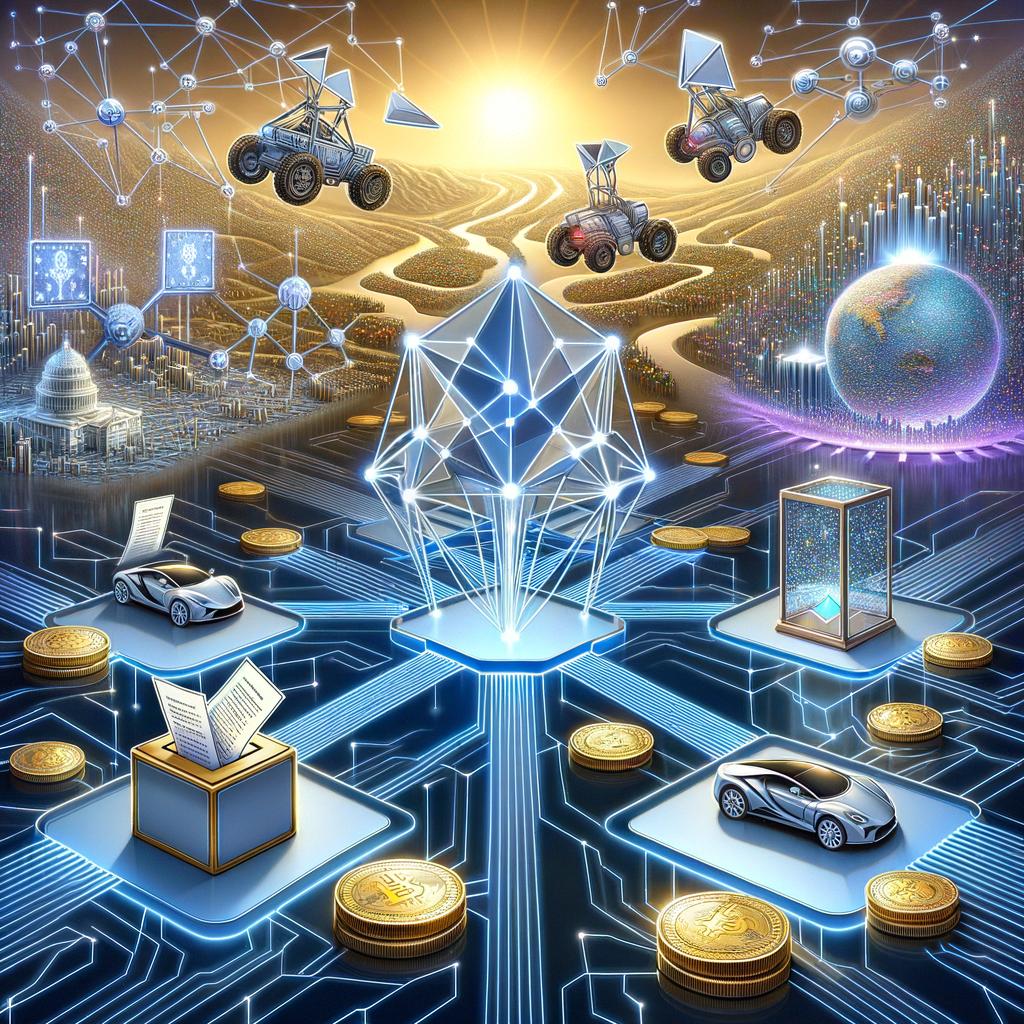
Navigating the Principles of Decentralized Autonomous Organizations
Decentralized Autonomous Organizations (DAOs) represent a fundamental shift in how organizations operate, leveraging smart contracts and blockchain technology to remove the need for traditional hierarchical structures. In a DAO, decision-making is distributed among members, enhancing democratic participation and reducing the risk of centralized control. The principles of transparency and accountability are paramount, as all transactions and governance decisions are recorded on the blockchain, accessible for scrutiny by all stakeholders.
One of the key advantages of DAOs is their capability to facilitate collective decision-making. Members can propose initiatives, vote on changes, and allocate resources based on consensus rather than through a centralized authority. This system fosters a sense of ownership and engagement among participants, as they have a direct say in the direction of the organization. Moreover,DAOs are frequently enough governed by a set of clearly defined rules encoded in smart contracts,minimizing the potential for disputes and ensuring that all actions align with the organization’s established mission.
However, the design and implementation of DAOs are not without challenges.Security risks associated with smart contracts can expose organizations to vulnerabilities that might be exploited. Additionally, the need for effective voter participation is crucial; low engagement can lead to decision-making paralysis. Striking a balance between accessibility and security remains a pivotal concern. As the landscape of Web3 technology evolves, continued innovation and education will be essential to harness the potential of DAOs while addressing these inherent challenges.
The Future of Collaboration: How DAOs Are Shaping Community Decision-Making
Decentralized autonomous Organizations (DAOs) are revolutionizing how communities make decisions and govern themselves. By leveraging blockchain technology, daos create an environment where every member has a say in the organization’s direction, fostering inclusivity and transparency. Unlike traditional organizational structures, where power often resides with a select few, DAOs distribute authority among all participants, ensuring that each voice is valued and heard. This democratization of decision-making is redefining community engagement in the digital age.
The operational mechanics of DAOs enable seamless collaboration among members. through smart contracts and voting mechanisms, participants can propose initiatives, vote on proposals, and allocate resources. This process is both efficient and secure, as it eliminates the need for intermediaries who can often slow down progress or manipulate outcomes. Key features of DAOs that enhance collaboration include:
- Transparency: All transactions and decisions are recorded on the blockchain, allowing members to review actions and ensure accountability.
- Global Participation: Anyone with internet access can join a DAO,breaking down geographical barriers and cultivating a diverse range of perspectives.
- Fluid Governance: Membership roles can evolve based on contributions, encouraging active participation and rewarding engagement.
As DAOs continue to gain traction,their impact on community decision-making is becoming increasingly apparent.They are not just tools for governance but also catalysts for collaboration and innovation. Members can brainstorm ideas, fund initiatives collectively, and support projects that align with their values and interests. This shift towards participatory governance is not merely a trend; it signifies a fundamental change in how communities interact, share power, and drive change in a digital landscape that is becoming more interconnected than ever.
as we explore the intricate world of Decentralized Autonomous Organizations (DAOs), it becomes increasingly clear that they represent more than just a technological innovation; they embody a transformative shift in governance and community engagement. DAOs empower users by promoting transparency, inclusivity, and collective decision-making, laying the groundwork for a more equitable digital future. As this evolution unfolds, understanding the mechanisms and implications of DAOs will be vital for individuals and organizations alike. By embracing these decentralized structures,we stand at the threshold of redefining governance in the digital age-one that prioritizes the voices of the many over the few. As we continue to navigate this uncharted territory, staying informed and adaptable will be key to harnessing the potential of DAOs for a brighter, more democratized future.