

“Unraveling BTC addresses: The Foundation of Secure Bitcoin Transactions”
Bitcoin addresses serve as the essential building blocks of transactions within the blockchain. Distinct from customary bank account numbers, a Bitcoin address is a cryptographic hash of the public key, ensuring both anonymity and security for its users. These addresses typically begin with a ‘1’, ‘3’, or ‘bc1’, which signify the type of address and its compatibility with various wallets and services. The uniqueness of Bitcoin addresses allows users to conduct transactions without revealing their identity, making it a powerful tool for privacy-conscious individuals.
Each Bitcoin address is remarkably secure. Generated through complex cryptographic algorithms, they are nearly impossible to guess or brute-force due to their length and randomness. Private keys, which are essential for accessing and managing the funds associated with these addresses, are equally important. They must be safeguarded rigorously, as anyone with access to a private key can control the related Bitcoin. Users are encouraged to adopt practices such as hardware wallets or cold storage to further enhance the security of their addresses and private keys.
Despite their security features, Bitcoin addresses are not without vulnerabilities. Users must remain vigilant against phishing scams and malicious software that seek to capture private keys or redirect transactions. Additionally,once a transaction is made,it is indeed irreversible,which emphasizes the need for thorough checks before sending Bitcoin. As the cryptocurrency ecosystem evolves,so too must the strategies for managing addresses and safeguarding the integrity of Bitcoin transactions. Awareness and education about the potential risks and best practices are crucial to protecting digital assets in this ever-changing landscape.
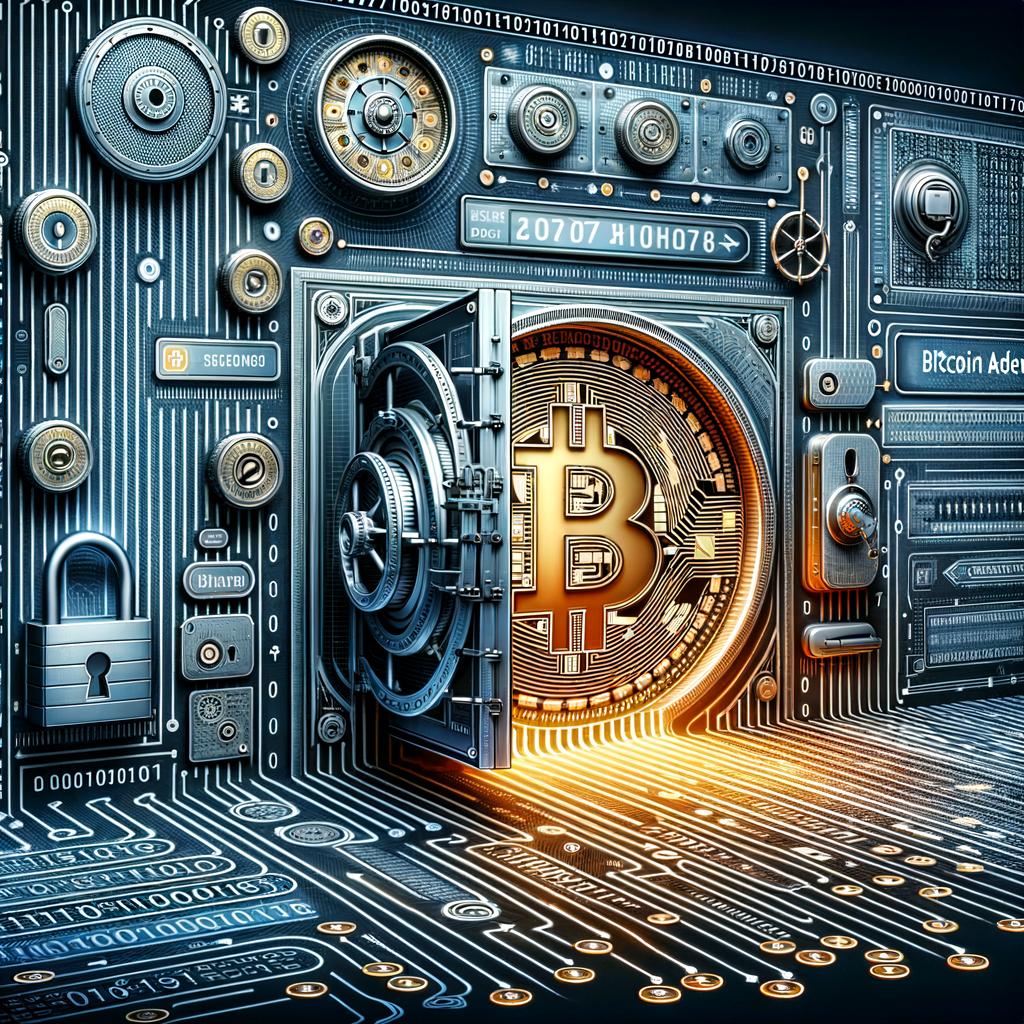
“How BTC Addresses Work: A Deep Dive into Cryptocurrency Security”
Understanding the structure of Bitcoin addresses is crucial for anyone participating in the cryptocurrency market. A Bitcoin address is a unique identifier that allows users to send and receive digital currency. These addresses are typically represented as a string of alphanumeric characters and can be generated from public keys. This relationship between keys is foundational to Bitcoin’s security.The encryption techniques employed ensure that only the holder of the corresponding private key has the ability to access the Bitcoins associated with that address.
Security in bitcoin transactions relies heavily on the concept of cryptography, primarily through the use of public and private keys. When a user creates a Bitcoin wallet, a pair of keys is generated: the public key, which is shared with others to receive funds, and the private key, kept confidential to authorize transactions. this asymmetric encryption system allows for secure transactions without the need for a centralized authority. Users must take precautions to safeguard their private keys, as loss or theft can result in the permanent loss of funds.
Another layer of security comes from the Bitcoin network itself, which uses a decentralized ledger known as the blockchain.Each transaction involving a Bitcoin address is recorded on this public ledger, creating a clear and immutable history of all transactions. While the blockchain itself does not store personal data about the wallet owners, it ensures that all transactions are validated and verified by network participants, making it incredibly challenging to manipulate or forge the system. Understanding these elements of Bitcoin addresses and their security implications is essential for navigating the world of cryptocurrency safely.
“Best Practices for Managing Your BTC Addresses: ensuring Safety in Digital Transactions”
Managing your bitcoin addresses effectively is crucial for maintaining the security of your digital assets. One of the best practices is to utilize a unique address for each transaction. By doing this, you not only enhance your privacy but also protect your financial history from becoming easily traceable. Reusing addresses can expose you to potential risks, as it may allow others to connect the dots between multiple transactions.Additionally, employing a wallet that facilitates this practice, such as a HD (Hierarchical Deterministic) wallet, can definitely help in managing multiple addresses seamlessly.
Moreover, it is essential to monitor your Bitcoin addresses regularly. Keeping an eye on incoming and outgoing transactions can help you quickly identify any unusual activities or potential security breaches. consider using blockchain explorers to track transactions associated with your addresses. By staying vigilant and establishing consistent monitoring, you can detect and respond to suspicious activities before they escalate. This proactive approach significantly boosts your overall security posture while engaging in digital transactions.
always ensure that backup copies of your wallet information, including your Bitcoin addresses and private keys, are stored securely. Utilize hardware wallets or secure physical backups, keeping them in a safe location to avoid potential hacks or data loss. Implementing strong passwords and two-factor authentication (2FA) can add an additional layer of security. By safeguarding your wallet and access credentials, you protect your Bitcoin assets from unauthorized access and theft, ensuring that your hard-earned investments remain secure.
As we conclude our exploration of Bitcoin addresses, it’s clear that understanding these digital identifiers is paramount for anyone looking to navigate the world of cryptocurrency safely and effectively. Just as a physical address signifies a location in the real world, a Bitcoin address is essential for ensuring that your transactions are secure and correctly directed in the vast digital landscape of blockchain technology.With cyber threats and hacking attempts on the rise, being well-informed about the nuances of BTC addresses is not just advisable-it’s necessary. By employing best practices such as generating addresses securely, using software wallets with strong encryption, and continuously educating yourself on the evolving security measures, you can significantly mitigate risks and enhance your confidence in using Bitcoin.
Ultimately, as we move deeper into the era of digital currency, having a firm grasp of Bitcoin addresses not only empowers you as a user but also plays a role in fostering a more secure and trustworthy Bitcoin ecosystem. Stay vigilant, continue learning, and remember: the key to secure transactions lies not just in technology, but in informed choices.