
1. What Are Block Headers? The Cornerstones of Blockchain Structure
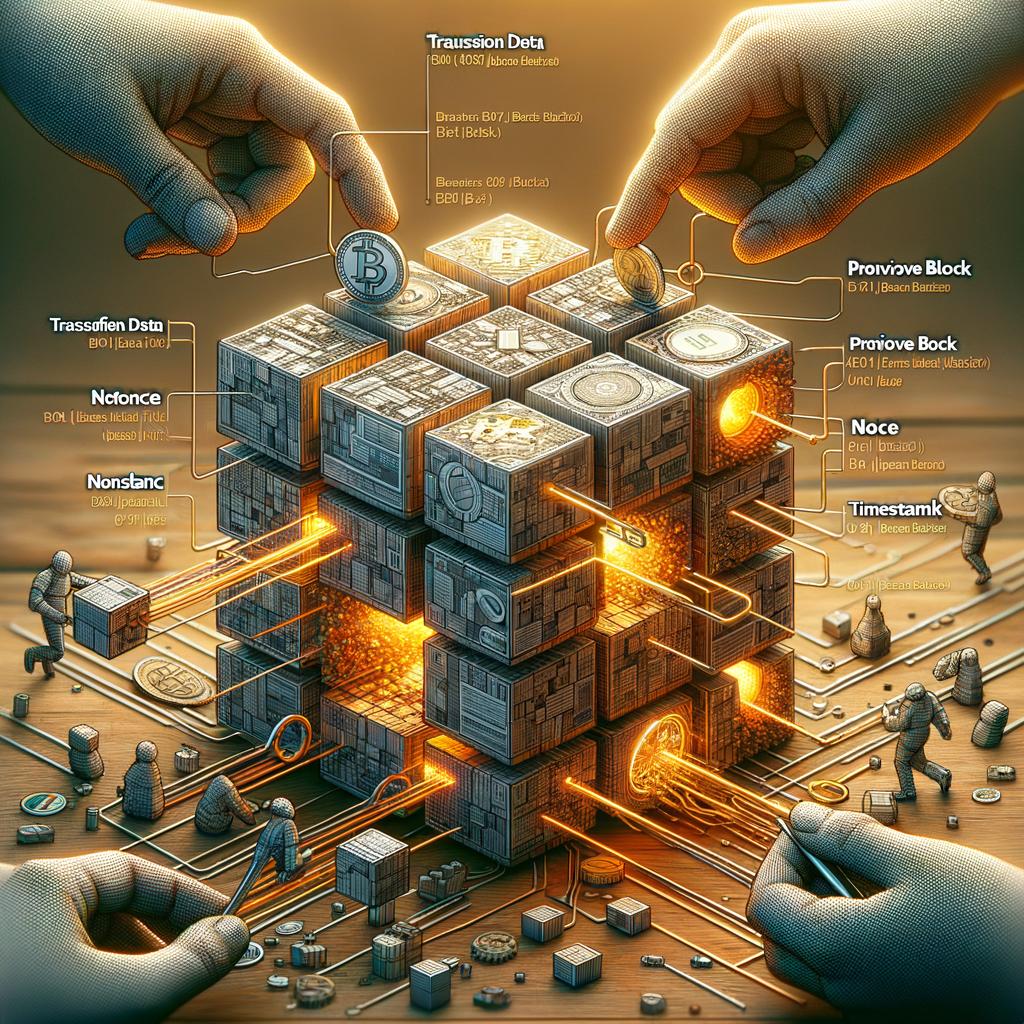
At the very foundation of the blockchain technology that underpins Bitcoin are the block headers. A block header is a critical component of a block in a blockchain, serving as a summary of the block’s contents and facilitating the linking of blocks in a chain-like structure. Each block header contains essential information that allows nodes in the network to communicate about the state of the blockchain and verify transactions efficiently.
Key elements of a block header include:
- Version: Indicates the version of the Bitcoin protocol used.
- Previous Block Hash: A reference to the hash of the previous block in the chain, creating a secure link between blocks.
- Merkle Root: A hash that represents all transactions included within the block, ensuring data integrity.
- Timestamp: Records the time when the block was created.
- Difficulty Target: Indicates the difficulty of the proof-of-work required to add the block to the blockchain.
- Nonce: A variable used by miners to ensure that a valid hash is generated.
The block header acts as a digital fingerprint for each block, allowing for efficient verification of the data contained within. By housing critical identifiers and cryptographic data, block headers not only uphold the integrity of the blockchain but also contribute to its security. The linking of blocks through their headers creates an immutable record of all transactions, which is one of the primary reasons why Bitcoin is regarded as a groundbreaking advancement in the realm of finance and digital currency.
2. Unpacking the Components: How Block Headers Work in Cryptocurrency Networks
In the intricate world of cryptocurrency, the block header serves as a fundamental component, encapsulating critical information about each block in the blockchain. It contains key elements that ensure the security and integrity of the decentralized network. At its core, the block header is a fixed-length string of data that includes several crucial fields, crucial for validating and linking blocks together. Each block header typically includes a reference to the previous block’s hash,a timestamp,a nonce,and a merkle root,which represents the hash of all transactions included in that block.
One of the most vital aspects of the block header is the previous block hash. This particular element creates a chronological chain of blocks, as each block points back to its predecessor, ensuring that the entire blockchain is tamper-proof. If an attacker were to alter a block, they would also need to change all subsequent blocks, as each one is interconnected through these hash references. This inherent design feature of the blockchain enhances its security, making it exceedingly difficult to manipulate recorded transactions.
Moreover, the merkle root within the block header plays a crucial role in summarizing the transactions that are included in a block. By hashing all transaction data in a block and than compiling those hashes into a single hash value, the merkle root provides a compact representation of the entire set of transactions. This not only aids in efficient verification and auditing of transactions but also contributes to the overall efficiency of the network. In essence, the block header works as a concise, secure summary of a block’s content, thereby facilitating the operation of the blockchain while ensuring data integrity and reliability.
3. The Importance of Block Headers: Ensuring Integrity and Security in Blockchain Transactions
Block headers play a critical role in the functioning of blockchain technology, serving as an essential component that ensures the integrity and security of transactions.Each block header contains vital metadata about the block, including the hash of the previous block, the timestamp of when the block was created, and a nonce value used in the mining process. This structure creates a chain of blocks that are securely linked through cryptographic hashes, making any attempt to alter the data in a block easily detectable. the strength of this system lies in its decentralization and its reliance on mathematical principles, which fosters transparency and trust among participants.
Additionally, the block header helps maintain the overall consensus within a blockchain network. By including the hash of the previous block, each new block reinforces the validity of the entire chain, making it increasingly difficult for malicious actors to alter transaction history.This is crucial for maintaining a single version of truth in a decentralized surroundings. If an attacker were to change even a single transaction in a block, they would have to recalculate the hashes for that block as well as all subsequent blocks, creating a computationally prohibitive challenge that protects the network’s integrity.
Moreover, the information within block headers enables efficient verification processes across the network. Node operators can quickly verify the authenticity of a block by checking the hash references and using the data in the header, considerably speeding up the validation process.This efficiency is notably important in high-traffic environments were the volume of transactions can put a strain on processing capabilities.As blockchain technology continues to evolve and expand into various industries, understanding the importance of block headers remains paramount in appreciating the underlying structures that provide security and integrity to digital transactions.
As we conclude our deep dive into the intricate world of block headers, it’s clear that these seemingly simple structures serve as fundamental pillars within the blockchain ecosystem. understanding block headers not only demystifies how transactions are securely recorded and verified, but it also highlights the remarkable technology that underpins cryptocurrencies like Bitcoin. As we continue to navigate the complexities of blockchain, having a solid grasp of these building blocks is essential for anyone looking to engage with the future of digital finance. Stay informed and keep exploring the digital frontier; there’s much more to uncover as technology advances and shapes our economic landscape. For further insights and in-depth analysis, continue following our coverage at The Bitcoin Street Journal.