

 DAN: Ethereum is one of the most popular and widely used cryptocurrencies in the world. It has been around since 2015 and has seen a lot of growth and development since then. It has also seen its fair share of controversy and debate. Two crypto experts have recently debated Ethereum’s future: will it crumble or thrive?
Crypto expert 1 believes that Ethereum will continue to thrive and grow in the future. He believes that Ethereum has a strong foundation and is well-positioned to take advantage of the growing demand for blockchain technology. He also believes that Ethereum has a strong community of developers and users who are committed to its success. He believes that Ethereum will continue to be a major player in the crypto space for years to come.
Crypto expert 2 believes that Ethereum is in danger of crumbling. He believes that Ethereum is too centralized and that its governance structure is too rigid. He believes that Ethereum is too reliant on its developers and that its code is too complex for most users to understand. He believes that Ethereum is too vulnerable to manipulation and that its future is uncertain.
Both experts agree that Ethereum has a lot of potential and that it could become a major player in the crypto space. However, they disagree on whether or not it will be able to survive in the long run. It is up to the Ethereum community to decide which path to take and whether or not Ethereum will be able to thrive in the future.
As more investors pour money into the volatile cryptocurrency markets, it is important to understand the potential future prospects of these investments. Ethereum (ETH) is no exception, having skyrocketed in market value in the past year. Ethereum’s future prospects, however, are a matter of debate. In this article, we’ll discuss two perspectives from crypto experts, who will duel over Ethereum’s future.
- I. Ethereum’s Prospects: An Expert Debate
- II. What is the Future of ETH?
- III. Analyzing Ethereum’s Current State
- IV. Conclusion: What does Ethereum’s Future Have in Store?
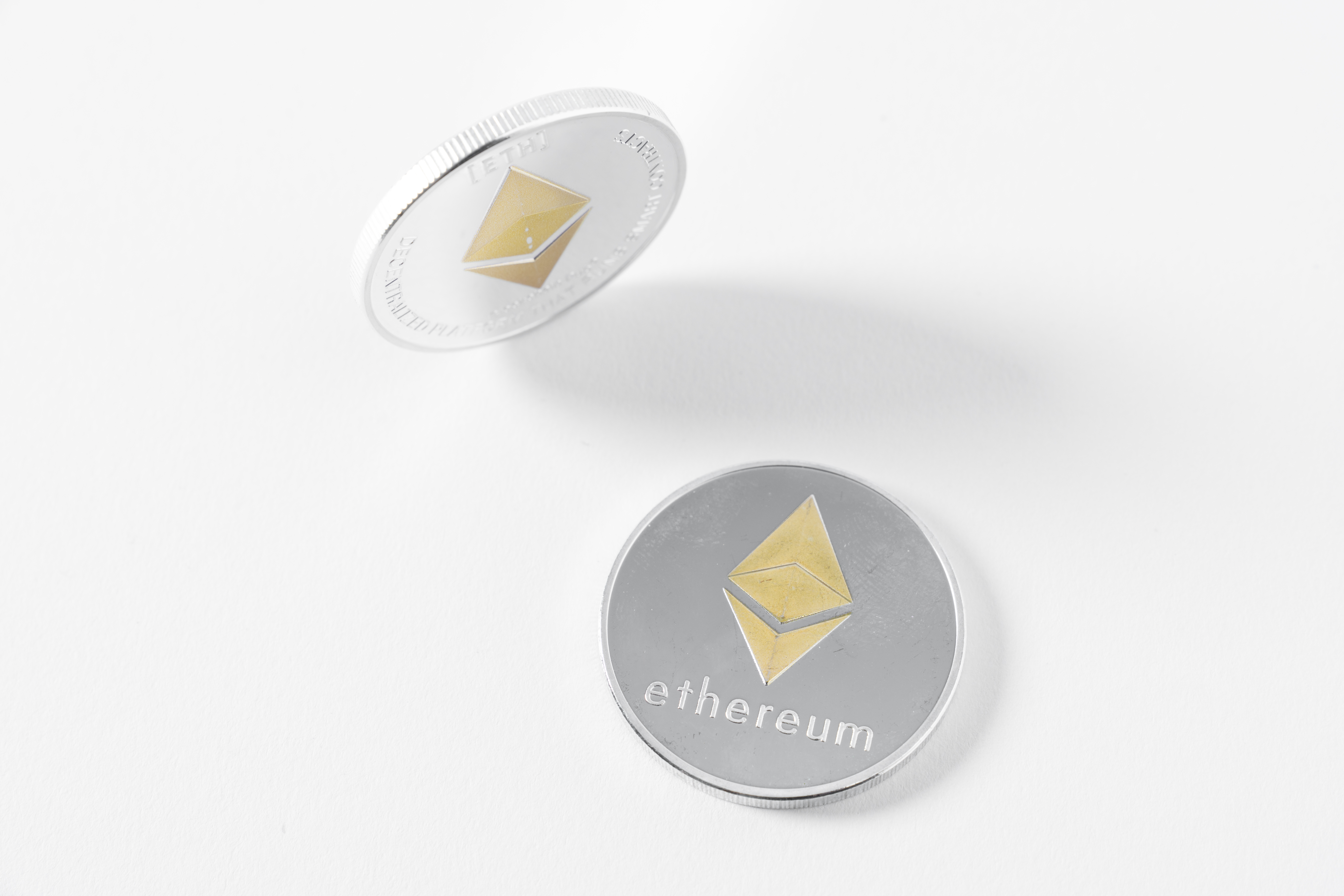
I. Ethereum’s Prospects: An Expert Debate
Experts in the blockchain space have been debating the prospects of Ethereum for some months now. Here we present a summary of those arguments.
Positive Outlook:Highest Market Capitalization Ethereum is the second biggest cryptocurrency and has a market capitalization of over $20 billion, producing a huge network value, and providing a strong backbone for a range of projects. Ethereum has become a key technology in the decentralized finance space, enabling the creation and transfer of digital assets. It also supports a huge array of innovative new technologies, from smart contracts to decentralised autonomous organisations.
Scalability Concerns:Rising Transaction Fees Despite the many positives of Ethereum, there are also some serious scalability concerns. Ethereum is famously bottlenecked, which means its transaction speed and cost are inversely related. Recently, average transaction fees have been rising steadily due to an influx of traders and speculative funds, making the network unusable for some applications. A proposed solution, Ethereum 2.0, is set to improve system scalability by switching to a proof-of-stake consensus mechanism.
Security Vulnerabilities
A number of security vulnerabilities have also been identified, most notoriously those relating to smart contracts. In one incident, an attacker stole nearly $55 million worth of cryptocurrency from a platform built on the Ethereum network. Ethereum developers are working hard to address these vulnerabilities and harden the network against attackers.
II. What is the Future of ETH?
The future of Ethereum is full of potential and hype. Ethereum 2.0 could provide a massive boost to the platform, introducing features like sharding, proof of stake, beacon chains, and more. There’s potential for Ethereum to become the go-to platform for dapps, smart contracts, and other blockchain-based solutions.
In the near-term, Ethereum may look to transition its network to Ethereum 2.0, scaling the network to meet the needs of users and developers. This transition is a long-term process, and various solutions and upgrades are being developed to smoothen the process. Ethereum could also look to solve interoperability issues in the blockchain space, allowing different projects to interact with each other.
In the long-term, Ethereum could become the go-to platform for any kind of blockchain crisis. As a platform for development, Ethereum could help bring new projects and ideas into the mainstream, providing access to millions of users. Additionally, projects like Ethereum Zero, which focus on privacy, could help expand the possibilities of what’s possible on the platform.
III. Analyzing Ethereum’s Current State
Ethereum is currently in an important point in its development as it has recently updated its network in an attempt to solve scalability issues that blighted its growth. The launch of Ethereum 2.0 in December 2020 was a major milestone as it moved the network from a proof-of-work based model to a proof-of-stake model, introducing some of the efficiency and scalability improvements that were seen as prerequisites before further development could occur.
The adoption of Ethereum 2.0’s staking model has been positive, with over 5 million Ether staked on the network at the end of January 2021. This amount of staked Ether now comprises around 10% of the entire Ethereum network, and is a direct indication of the trust felt by Ethereum users to the new platform. It is expected that this staked amount will continue to grow as more users realize the advantages that the new network and staking model offer.
The Ethereum network is now growing and developing, with application developers continuing to build decentralized and smart contract based applications to run on the platform. This includes the development of decentralized finance (DeFi) protocols which are now making the Ethereum network one of the key places for such applications. As more developers continue to switch their attention to Ethereum’s network, it is essential that the scalability and performance continue to meet their requirements, to ensure long-term success.
IV. Conclusion: What does Ethereum’s Future Have in Store?
Ethereum is one of the most exciting projects to have been built on blockchain technology, and its future is full of promise. There are many exciting projects in the pipeline, which show that the cryptocurrency ecosystem is still growing and evolving. Here are a few of the opportunities that Ethereum’s future holds:
- More Dapps and Smart Contracts - Ethereum is the platform of choice for developers to build decentralized applications, or Dapps, and smart contract protocols. Developers are pushing the boundaries of what can be done with Ethereum, and the possibilities seem endless.
- Greater Accessibility – Ethereum’s protocol has enabled millions of people around the world to gain access to financial services that were previously out of reach. This increased access could unlock a world of possibilities for people in underserved markets.
- Atomic Swaps – Atomic Swaps allow users to swap different cryptocurrencies without the need for an intermediary. This could open the door for cross-chain applications, where users can interact with different blockchain protocols.
Ethereum is one of the most exciting development platforms out there, and its future is likely to be full of surprises. It is well-positioned to take advantage of the ever-expanding blockchain space, and it will be exciting to see how Ethereum continues to evolve and innovate in the coming years.
In the face of what is arguably one of Ethereum’s most difficult times as a leading protocol, one thing is certain: the debate regarding its future prospects is far from over. While both Roubini and Olszewicz offer compelling arguments for their respective positions, it will be up to Ethereum and its community of developers, supporters, and users to determine the ultimate fate of the platform. Only time, and the actions of the Ethereum community, will tell.