
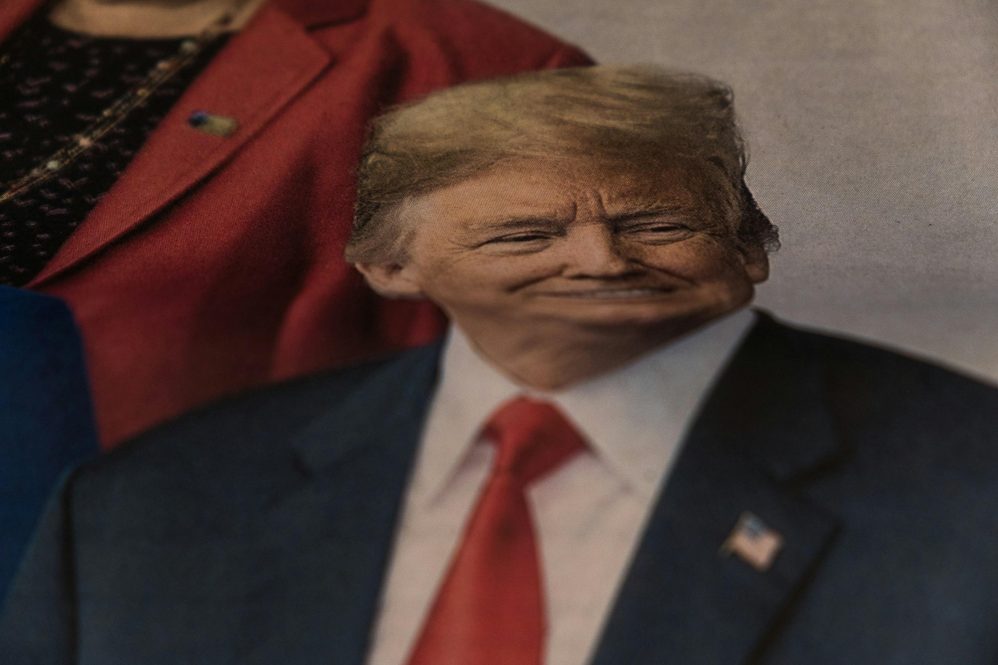
Economic Uncertainty: Trump’s Win Raises Red Flags for Market Stability
The financial markets are poised for volatility following Trump’s unexpected victory, as investors are confronted with a wave of economic uncertainty. Financial analysts warn that his unorthodox approach to governance, coupled with a potentially contentious relationship with Congress, could lead to unpredictable policy shifts. This environment is likely to provoke reactions from market players, causing shifts in investment strategies and asset allocations. Key concerns surrounding the implications of Trump’s win include:
- Trade Policies: Potential trade wars and tariffs could disrupt global trade, affecting companies reliant on international supply chains.
- Regulatory Changes: A possible rollback of regulations could benefit some industries while posing risks for others, particularly in sectors like healthcare and finance.
- Market Sentiment: Investor confidence may wane as uncertainty grows, leading to fluctuations that could destabilize short-term market performance.
Furthermore, the prospect of heightened geopolitical tensions under Trump’s leadership raises additional concerns about stability. Investors are likely to adopt a cautious approach, favoring defensive stocks over cyclical investments, as they brace for potential turbulence. Additionally, topics such as immigration reform and healthcare policy under the new administration could stimulate reactions across various sectors, prompting scrutiny from analysts and stakeholders alike. The overall sentiment suggests that while some sectors may thrive in the new administration, the broader market will likely navigate a complex landscape of challenges and opportunities in the coming months.

The Soft Landing Dilemma: Analysts Predict Potential Turbulence Ahead
Analysts are grappling with the intricate balance between achieving a soft landing for the economy and the potential turbulence that may lie ahead. Many economists posit that as interest rates remain elevated, consumer spending could face significant pressures, leading to a slowdown. Concerns about inflation persist despite signs of stabilization, prompting debates about whether the Federal Reserve’s monetary policy measures have been effective or if further action is necessary. Recent data reflects a mixed bag of indicators, raising questions about the sustainability of economic growth moving forward.
Key factors contributing to the uncertainty include:
- Labor Market Volatility: While unemployment rates remain low, signs of layoffs in certain sectors could impact consumer confidence.
- Global Supply Chain Disruptions: Renewed challenges in international trade may hinder recovery efforts, particularly in manufacturing and logistics.
- Geopolitical Tensions: Ongoing conflicts and economic sanctions are affecting commodity prices, which could reinvigorate inflationary pressures.
- Consumer Sentiment Shifts: Recent declines in consumer confidence surveys suggest that households are becoming increasingly cautious.
As these elements intertwine, the outlook remains precarious, leaving analysts to ponder how best to navigate the impending challenges to economic stability.
Repercussions of Political Shifts: How Trump’s Victory Could Impact Economic Policy
The election of Donald Trump marked a significant turning point in U.S. political landscape, with immediate implications for economic policy. Analysts predict that his administration may favor a more protectionist stance, particularly affecting international trade relations. This approach could lead to a series of potential outcomes, including:
- Tariff Increases: A push for higher tariffs could disrupt global supply chains and affect domestic manufacturers reliant on imports, potentially leading to price hikes for consumers.
- Revised Trade Agreements: Trump’s inclination to renegotiate existing trade deals could create uncertainty, influencing investment decisions both domestically and abroad.
- Impact on Global Relations: A shift towards isolationism may strain relationships with key allies, impacting foreign investment and trade volumes.
Trump’s proposed economic policies, including tax cuts and deregulation, could provide short-term stimulus but may also raise concerns about long-term fiscal sustainability. Economists warn that the combination of increased public spending and reduced tax revenues could exacerbate the national debt. Additionally, potential sectors that may see prioritized growth under his policies could include:
- Energy: A focus on fossil fuels and deregulation could invigorate the energy sector, potentially leading to job creation while drawing criticism from environmental advocates.
- Infrastructure: Trump’s calls for significant public investment in infrastructure could provide a boost to construction and related industries.
- Financial Services: Easing regulations on banks could spur growth in the financial sector but might also sow the seeds of risk reminiscent of pre-2008 financial conditions.
Expert Insights: Evaluating the Risks of a Hard Landing in a Post-Election Economy
As the political landscape shifts post-election, economists are closely monitoring the potential for a hard landing in the economy. The implications of tight monetary policies combined with fiscal uncertainty could signal turbulent waters ahead. Experts warn of several factors that could exacerbate the risk of an economic downturn, including rising inflation pressures, supply chain disruptions, and geopolitical tensions. Additionally, the Fed’s potential interest rate adjustments must be navigated carefully, as aggressive rate hikes may stifle growth and consumer spending.
Market analysts urge stakeholders to adopt a cautious approach, evaluating financial exposure and assessing the likelihood of economic contractions. Key indicators suggest that sectors such as real estate and retail may be particularly vulnerable in a cooling economy. By examining these trends, investors can better position themselves to mitigate risks associated with a hard landing. Furthermore, diversifying assets and maintaining liquidity are essential strategies for weathering potential volatility in the coming months.
Navigating the Future: Strategies for Businesses Amid Economic Concerns
As economic uncertainties loom, it’s crucial for businesses to adopt proactive strategies to mitigate risks and seize opportunities. Establishing a robust financial cushion should be a priority; this involves reassessing cash flow management and diversifying income streams. Companies should also invest in technology and automation to enhance efficiency and reduce operational costs. Furthermore, aligning supply chain practices with sustainability goals can help in not only catering to consumer demand but also in reducing dependency on volatile markets.
Engaging with stakeholders through transparent communication can build trust and loyalty, critical components during challenging times. Organizations can benefit from conducting regular market analyses to remain agile and responsive. Adopting an innovative mindset can spur new product development or service enhancements, better positioning businesses to adapt to market shifts. Additionally, leveraging data analytics for informed decision-making will provide insights that can sharpen competitive edges and improve customer engagement strategies.
As the dust settles on Donald Trump’s electoral victory, the implications for the U.S. economy have become a focal point of debate among economists and financial analysts. While many had anticipated a controlled economic transition, the potential for volatility looms large as Trump’s past policies, campaign promises, and a polarized political landscape come into play. The specter of inflation, rising interest rates, and global economic uncertainty adds to the apprehension felt by many in the financial sector.
In navigating this new political environment, it remains crucial for policymakers, businesses, and consumers alike to stay informed and prepared for shifts that could disrupt the anticipated soft landing. The coming months will be pivotal, not only for the direction of Trump’s administration but also for the overall stability of the economy. As stakeholders assess the landscape, an emphasis on strategic planning and adaptability will be essential in weathering the uncertainties ahead. Only time will tell if the economic forecast can be steadied or if it will veer off course, but the conversation around these issues is sure to intensify in the wake of this significant electoral event.