
In a significant development within the realm of U.S. law and politics, former President Donald Trump has nominated Jay Clayton, the former chair of the Securities and Exchange Commission (SEC), to serve as the U.S. Attorney for the Southern District of New York, a position central to the enforcement of federal laws in one of the nation’s most prominent jurisdictions. Clayton’s tenure at the SEC, known for its focus on regulatory reform and financial oversight, has positioned him as a key figure in the intersection of finance and law. This appointment, coming at a time of heightened scrutiny of financial and corporate practices, raises questions about the potential direction of federal prosecutions in Manhattan, particularly regarding white-collar crime and securities violations. Observers of the legal and political landscapes are closely watching this nomination, as it could signal a shift in priorities for the Department of Justice under Trump’s administration.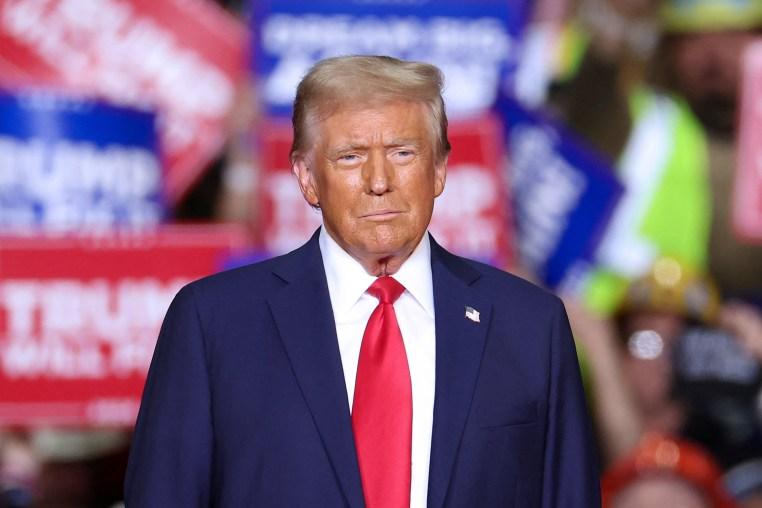
Trump Appoints Former SEC Chair Jay Clayton as US Attorney for Manhattan
In a significant move that has drawn attention across political and legal circles, former SEC Chair Jay Clayton has been appointed as the new U.S. Attorney for the Southern District of New York. This position is particularly consequential given the district’s jurisdiction over many high-profile financial and corporate cases. Clayton, who served as the chair of the Securities and Exchange Commission from May 2017 to December 2020, brings extensive experience in financial regulation to this prominent post.
During his tenure at the SEC, Clayton was noted for his commitment to enhancing transparency and bolstering the integrity of the financial markets. His leadership was marked by efforts to facilitate capital formation for small businesses while ensuring that investors were adequately protected. Experts speculate that his appointment might signal a renewed focus on corporate compliance and enforcement within Manhattan’s bustling financial sector.
The Southern District of New York has been a focal point for many sensitive investigations, including cases involving corruption, terrorism financing, and complex white-collar crimes. Clayton’s background in securities law and familiarity with intricate financial matters is expected to prove advantageous as he navigates the legal and operational challenges inherent to this role. Observers have noted the potential implications of his appointment on existing and future cases, particularly those involving major financial institutions.
Reactions to Clayton’s appointment have been mixed. Supporters argue that his proven track record in overseeing one of the most pivotal regulatory agencies in the country positions him well to tackle the challenges that lie ahead. Opponents, however, express concerns regarding the influence of political affiliations in such a critical judicial appointment, raising questions about independence and impartiality in prosecutorial decisions. As the new U.S. Attorney takes office, all eyes will be on how his previous experience will shape his approach to law enforcement in one of the nation’s most influential jurisdictions.
A Strategic Selection: Analyzing Jay Claytons Qualifications for the Role
Jay Clayton’s selection for a pivotal role in the financial industry is rooted in a robust background that showcases his qualifications and expertise. His extensive experience in both law and finance positions him uniquely to navigate the complex challenges faced by regulatory bodies. As a former chairman of the U.S. Securities and Exchange Commission, Clayton’s tenure was marked by a commitment to transparency and efficiency in the markets.
One of his notable achievements includes the initiation of regulatory reforms that aimed at modernizing the financial system. This effort not only sought to enhance market stability but also to foster greater investor confidence. His leadership style, characterized by a strategic focus on stakeholder engagement, emphasized collaboration among industry participants and regulatory authorities. In this context, Clayton has demonstrated an ability to:
- Implement effective regulatory frameworks that balance innovation with investor protection.
- Enhance public trust in financial markets through proactive communication and outreach.
- Drive initiatives that facilitate the growth of emerging financial technologies.
Furthermore, Clayton’s academic credentials complement his practical experience. Holding a law degree from the University of Chicago and having served in distinguished legal roles at major firms, he has a profound understanding of the legal intricacies that underpin financial regulations. His ability to synthesize legal principles with economic realities positions him as a formidable advocate for sound regulatory practices. This combination of experience and education underscores why Clayton is considered a strategic selection for this critical role in the evolving landscape of finance.
Implications of Claytons Appointment on Manhattans Legal Landscape
The recent appointment of Clayton to a high-profile position in Manhattan’s legal framework is poised to reshape the landscape of judicial practices and governance. As a prominent figure known for his legal acumen and reformist agenda, Clayton’s influence can lead to significant changes across various sectors, impacting both practitioners and clients alike.
Several key implications stem from this appointment:
- Regulatory Reforms: Clayton is expected to advocate for increased regulatory oversight, particularly in financial sectors, where transparency and accountability have become paramount. This could mean stricter compliance requirements for firms operating within the city.
- Criminal Justice Initiatives: His commitment to criminal justice reform may pave the way for new policies aimed at reducing incarceration rates and re-evaluating sentencing guidelines, potentially transforming the approach to non-violent offenses.
- Legal Practitioners’ Adaptation: Attorneys may need to recalibrate their strategies to align with Clayton’s priorities. Changes in prosecutorial discretion and defense approaches could emerge, necessitating adjustments in legal practices.
Moreover, Clayton’s appointment signals a broader trend of integrating progressive values into the legal framework. This shift may foster greater collaboration between public and private sectors, encouraging a more unified approach to tackling legal challenges. As stakeholders adapt to these new dynamics, the overall efficacy of Manhattan’s legal system could improve, establishing the city as a leader in legal innovation and reform.
Political Reactions: What This Appointment Means for Trumps Administration
The recent appointment has stirred a mix of reactions among political figures, reflecting a spectrum of opinions on its implications for the Trump administration. Supporters of the appointment laud it as a strategic move that reinforces the administration’s commitment to its core agenda. They argue that this decision signals a willingness to pivot towards issues that resonate with the base, particularly in areas such as economic policy and national security.
Conversely, opponents raise concerns regarding the potential consequences for governance and bipartisanship. Critics argue that this appointment could further polarize an already divided political landscape, complicating future negotiations with Democrats and moderates. They warn that the selection reflects a continuation of the administration’s approach to prioritize loyalty over experience, which may hinder effective policymaking.
Political analysts suggest that the ramifications of this decision may extend beyond immediate policy impacts. It could also influence the dynamics of upcoming elections, particularly in battleground states. Key points of consideration include:
- How this may energize the Trump base and attract voters who prioritize policies aligned with the appointee’s views.
- The potential backlash from moderate voters who may feel alienated by the administration’s direction.
- The overall impact on the Republican Party’s cohesion as factions within grapple with differing ideologies.
As the administration navigates these new waters, the long-term implications of this appointment will likely shape both policy discussions and electoral strategies moving forward. This may create a significant ripple effect, influencing not just the administration’s agenda, but also the broader landscape of American politics.
Donald Trump’s decision to appoint Jay Clayton, the former chairman of the Securities and Exchange Commission (SEC), as the U.S. Attorney for Manhattan underscores a pivotal shift in the intersection of law and business within the New York legal landscape. Clayton, known for his extensive background in corporate law and regulatory matters, brings a unique perspective to this high-profile position, which has strategic implications for both the private sector and public oversight. As he navigates the multifaceted challenges ahead, including ongoing investigations and the complex dynamics of financial crime, Clayton’s tenure will undoubtedly be closely scrutinized by both supporters and critics alike. This appointment not only reflects Trump’s ongoing commitment to reshape the federal landscape with figures from the business community but also signals a new era in the prosecution of financial misconduct in one of the nation’s most influential jurisdictions. The coming months will reveal the full extent of Clayton’s impact and the direction he will steer the Manhattan U.S. Attorney’s Office amidst an evolving legal and economic backdrop.