
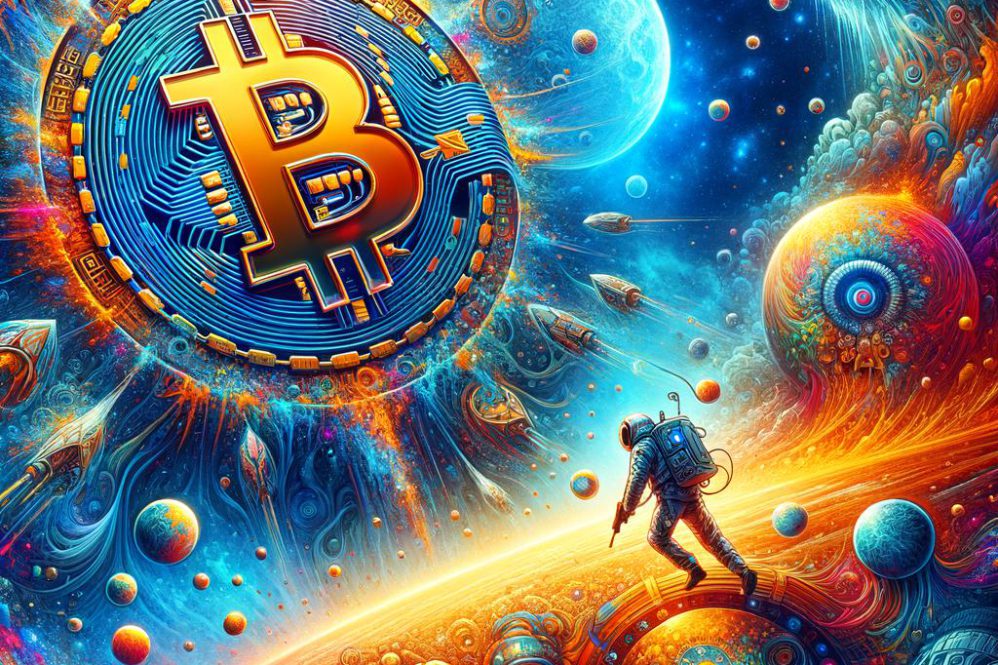
What techniques can I use to enhance the emotional impact of my artwork through color, texture, and composition?
Transform Your Vision into Vibrant Art That Captivates and Inspires
In an era where self-expression and creativity are more accessible than ever, the ability to transform one’s vision into vibrant art has become a powerful means of communication. Art, in its myriad forms, serves not only as a reflection of the artist’s inner world but also as a catalyst for inspiration and connection among diverse audiences. This article explores the process of translating personal visions into captivating artwork, the significance of vibrant expression, and the impact such art can have on both the creator and the viewer.
The Essence of Vision in Art
At the heart of every artistic endeavor lies a vision—a unique perspective shaped by individual experiences, emotions, and thoughts. This vision is the foundation upon which artists build their creations. Whether it is a painter capturing the essence of a sunset, a sculptor molding clay into a figure, or a digital artist crafting an immersive landscape, the initial vision serves as the guiding light throughout the creative process.
To effectively transform this vision into art, artists must first engage in introspection. This involves exploring their thoughts and feelings, identifying the themes that resonate with them, and considering how these themes can be expressed visually. Journaling, sketching, and brainstorming are valuable tools in this phase, allowing artists to clarify their ideas and set the stage for the creation of vibrant art.
Techniques for Creating Vibrant Art
Once the vision is established, the next step is to select the appropriate medium and techniques that will best convey the intended message. Vibrant art is characterized by its use of color, texture, and form, all of which play a crucial role in evoking emotions and capturing attention.
- Color Theory: Understanding the principles of color theory is essential for creating vibrant art. Colors can evoke specific emotions and set the mood of a piece. For instance, warm colors like reds and oranges can convey energy and passion, while cool colors such as blues and greens can evoke calmness and serenity. By thoughtfully selecting a color palette, artists can enhance the emotional impact of their work.
- Texture and Form: The use of texture adds depth and dimension to art, making it more engaging. Artists can experiment with various techniques, such as layering paint, incorporating mixed media, or using different brush strokes to create tactile experiences. Additionally, the form of the artwork—whether abstract, representational, or a blend of both—can significantly influence how the vision is perceived.
- Composition: A well-composed piece draws the viewer’s eye and guides them through the artwork. Artists should consider the arrangement of elements within their work, utilizing principles such as balance, contrast, and focal points to create a harmonious and captivating composition.
The Impact of Art on Audiences
Art has the remarkable ability to transcend language and cultural barriers, resonating with individuals on a deeply personal level. When artists successfully transform their visions into vibrant art, they create pieces that not only captivate but also inspire. Such art can provoke thought, evoke memories, and spark conversations, fostering a sense of community and shared experience.
Moreover, vibrant art can serve as a source of motivation and encouragement for others. It can inspire viewers to explore their own creativity, embrace their unique perspectives, and express themselves through various forms of art. In this way, the act of creating art becomes a collaborative journey, where the artist and the audience engage in a dialogue that enriches both parties.
Conclusion
Transforming your vision into vibrant art is a fulfilling and empowering process that allows for personal expression and connection with others. By embracing the principles of color, texture, and composition, artists can create captivating works that inspire and resonate with audiences. In a world that often feels fragmented, vibrant art serves as a reminder of our shared humanity, encouraging us to celebrate our differences while finding common ground through creativity. Whether you are an aspiring artist or a seasoned creator, the journey of bringing your vision to life is one that holds the potential to captivate and inspire, leaving a lasting impact on both yourself and the world around you.
Understanding Bitcoin: A Comprehensive Overview
Introduction to Bitcoin
Bitcoin, the pioneering cryptocurrency, has revolutionized the financial landscape since its inception in 2009. Created by an anonymous entity known as Satoshi Nakamoto, this digital currency operates on a decentralized network that allows for peer-to-peer transactions without the need for intermediaries like banks. As of October 2023, Bitcoin continues to gain traction among investors and users alike.
The Mechanics Behind Bitcoin
How Does Bitcoin Work?
At its core, Bitcoin utilizes blockchain technology—a distributed ledger that records all transactions across a network of computers. Each transaction is grouped into blocks and linked together in chronological order, forming a secure chain. This structure not only ensures transparency but also enhances security against fraud and manipulation.
Mining: The Backbone of Bitcoin
Bitcoin mining is the process through which new bitcoins are generated and transactions are verified. Miners use powerful computers to solve complex mathematical problems; upon successful completion, they add a new block to the blockchain and are rewarded with newly minted bitcoins. Currently, approximately 900 new bitcoins are mined daily.
The Rise of Cryptocurrency Adoption
Growing Popularity Among Investors
In recent years, there has been a significant surge in interest surrounding cryptocurrencies. According to recent statistics from CoinMarketCap, as of October 2023, over 300 million people worldwide own some form of cryptocurrency—an increase from just over 100 million in early 2021. This growing adoption can be attributed to various factors including increased accessibility through exchanges and rising institutional investment.
Use Cases Beyond Investment
While many view bitcoin primarily as an investment vehicle or store of value akin to digital gold, it also serves practical purposes such as remittances and online purchases. For instance, companies like Overstock.com have embraced bitcoin payments for their products while platforms like BitPay facilitate seamless transactions for merchants accepting cryptocurrencies.
Challenges Facing Bitcoin
Regulatory Hurdles
Despite its popularity, bitcoin faces numerous challenges—most notably regulatory scrutiny from governments around the globe seeking to establish frameworks governing its use. Countries such as China have imposed strict bans on cryptocurrency trading while others like El Salvador have adopted it as legal tender—a move that highlights the diverse approaches nations take towards this digital asset.
Environmental Concerns
Another pressing issue is the environmental impact associated with bitcoin mining due to high energy consumption levels required by mining operations. Recent studies indicate that bitcoin mining consumes more electricity annually than some small countries; thus raising concerns about sustainability within this burgeoning industry.
Conclusion: The Future Outlook for Bitcoin
As we look ahead into what lies beyond October 2023 for bitcoin and other cryptocurrencies alike remains uncertain yet promising at best—with ongoing developments in technology alongside evolving regulations shaping their trajectory moving forward.
while challenges persist within this dynamic ecosystem—from regulatory hurdles to environmental impacts—the potential benefits offered by cryptocurrencies continue driving innovation across various sectors globally.