
In recent discussions surrounding the future of digital finance, tokenized U.S. Treasurys have emerged as a significant topic of debate. While the potential for these blockchain-based representations of government debt to democratize access and enhance liquidity in the financial markets is enticing,it also raises crucial questions about market stability and risk management. As the U.S. Treasury Advisory Panel highlights the promise of tokenization, there are growing concerns that the inherent complexity of a decentralized system may introduce new risk vectors into the market, necessitating a layer of central control. This article explores the implications of tokenized U.S. Treasurys on financial markets, delving into the benefits and the potential vulnerabilities created by this innovative yet uncertain frontier in public finance.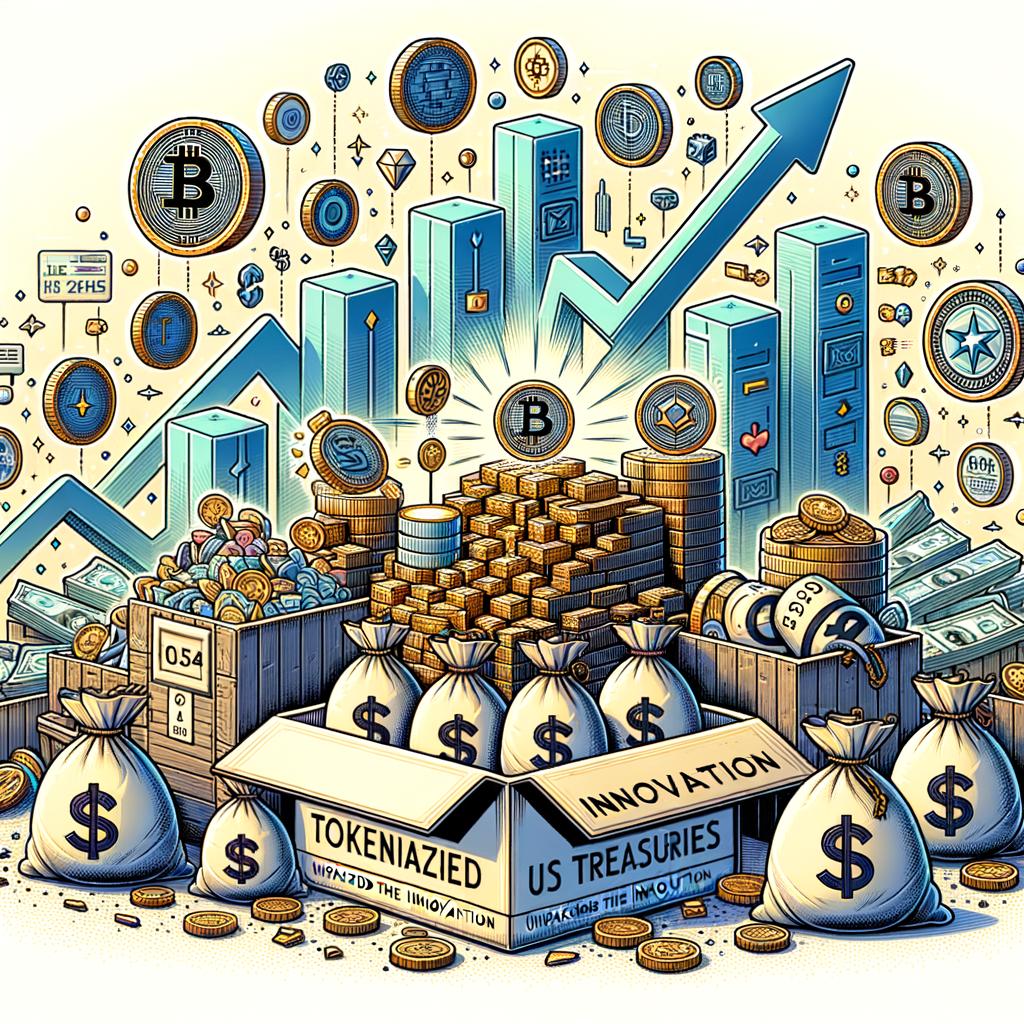
The Rise of Tokenized US Treasuries: Unpacking the Innovation
The emergence of tokenized US Treasuries represents a significant shift in the intersection of conventional finance and blockchain technology.By converting government bonds into digital tokens, financial institutions aim to enhance liquidity and accessibility. This innovation allows for fractional ownership, which enables a broader range of investors to participate in the market. Tokenization facilitates immediate transfers and settlement, perhaps reducing costs and increasing operational efficiency in the trading of Treasuries.
Key benefits of tokenized US Treasuries include:
- Increased Liquidity: Tokenized assets can be traded 24/7 on various platforms, providing investors the adaptability to buy and sell without the constraints of traditional trading hours.
- enhanced Security: The use of blockchain technology ensures that transactions are secure, immutable, and clear, addressing concerns related to fraud and misrepresentation.
- Improved Accessibility: Smaller investors can purchase fractions of treasuries, making them more accessible to a wider audience who may not have sufficient capital to invest in full bonds.
As financial regulators begin to embrace these developments, the compliance landscape surrounding tokenized assets is evolving. Institutions must navigate the complexities of existing regulations while advocating for frameworks that can accommodate innovative offerings.This balance is crucial as it will determine the pace of adoption within the financial ecosystem.
Ultimately, the rise of tokenized US Treasuries is set to redefine investment strategies and asset management approaches. As investors become more informed about the benefits of tokenization, it is likely that demand for such innovative products will grow, prompting further advancements in the space. This innovation not only has the potential to attract a new wave of investors but also to radically alter how capital markets operate.
Analyzing Market Risks: How Tokenization Alters Financial Landscapes
The advent of tokenization is reshaping the financial landscape by providing innovative solutions to long-standing market risks. Through the portrayal of physical assets in digital formats, tokenization enables greater liquidity, clarity, and efficiency in transactions. This shift not only alters how assets are traded but also mitigates several inherent risks associated with traditional asset management systems.
One of the primary benefits of tokenization is enhanced liquidity. By breaking down assets into smaller, tradable fractions, a broader range of investors can access these assets without needing ample capital. This democratization of asset ownership reduces the barriers to entry, enabling even small investors to diversify their portfolios. Moreover, the fractional ownership model ensures that assets can be traded more freely on secondary markets, thus decreasing overall market volatility.
Additionally, tokenization improves transparency in transactions. Each transfer of a token representation is recorded on a blockchain, providing an immutable ledger that stakeholders can audit. This level of transparency fosters trust among participants by minimizing the risks of fraud and enhancing regulatory compliance. With real-time access to transaction histories and ownership records, investors can make more informed decisions based on accurate data.
Furthermore, the reduction of operational risks is another significant advantage of tokenization. Traditional processes often involve lengthy settlement periods, cumbersome paperwork, and manual reconciliations, all of which can introduce human error and delays. In contrast, tokenized assets can be transferred instantaneously across borders, with automated smart contracts executing transactions seamlessly. this technological advancement not only accelerates transaction times but also lowers costs associated with administrative overhead, ultimately redefining operational efficiency in finance.
Regulatory Landscapes: Navigating Compliance in a Tokenized Environment
The evolution of decentralized finance (DeFi) has prompted significant discussions around regulatory frameworks necessary to foster a secure and compliant ecosystem. As DeFi platforms continue to gain traction globally, the lack of a uniform regulatory approach raises concerns among stakeholders, including investors, developers, and financial institutions. This fragmented regulatory environment can create barriers to entry and limit innovation, hampering the overall growth of the tokenized economy.
To effectively navigate compliance in this rapidly changing landscape, entities operating within the DeFi space must consider several critical factors:
- Understanding Jurisdictional Nuances: Different countries have varying approaches to DeFi regulations. Awareness of these differences is essential for businesses seeking to operate internationally.
- Consumer Protection Measures: Implementing robust security and transparency protocols is vital to safeguard users from potential risks associated with smart contracts and liquidity pools.
- Collaboration with Regulators: Establishing interaction with regulatory bodies can pave the way for a more cohesive framework that encourages innovation while protecting consumers.
- Adopting Best Practices: Benchmarking against established regulatory guidelines can help DeFi projects in creating compliant environments that prioritize trust and accountability.
As the conversation around regulation intensifies, it is crucial for DeFi platforms to adopt a proactive stance. By engaging with policymakers and institutional stakeholders, these entities can contribute to the ongoing development of a regulatory framework that not only accommodates but promotes the growth of decentralized finance.
Future Implications: assessing the Long-term Impact of Tokenized treasuries on Market Stability
The introduction of tokenized treasuries marks a significant evolution in financial markets, combining traditional treasury instruments with blockchain technology. This synergy promises to enhance liquidity and transparency,potentially reshaping the operational landscape for institutional and retail investors alike. As tokenized treasuries gain traction, several key implications for market stability must be considered.
One of the primary advantages of tokenized treasuries is the potential for increased accessibility.By allowing fractional ownership, a broader array of investors can participate in treasury markets. This democratization of access can lead to enhanced market depth and more resilient price discovery mechanisms. Furthermore, the instant settlement capabilities inherent in blockchain can reduce counterparty risk and minimize settlement delays, which are often sources of volatility in traditional markets.
However, the integration of digital assets into treasury markets is not without challenges.The regulatory landscape remains uncertain, with governments grappling with how to oversee these innovations without stifling growth. Regulatory disruptions could lead to sudden shifts in investor sentiment, causing volatility in tokenized treasury prices. Additionally, the cybersecurity risks associated with blockchain technology and digital assets necessitate a robust framework to protect market integrity.
In the long term, the success of tokenized treasuries will depend substantially on their acceptance among institutional investors and central banks. If widely adopted, they could redefine benchmarks for risk-free assets, impacting the yield curves and influencing monetary policy decisions. Ultimately, the evolution of tokenized treasuries will require continuous monitoring and adaptation to ensure that their benefits, such as enhanced liquidity and transparency, outweigh the risks they pose to market stability.
the emergence of tokenized US Treasurys signifies not just an innovative step in the digital asset landscape, but also a complex shift that introduces new market risk vectors. As investors navigate this uncharted territory, it is imperative to remain vigilant and informed about the potential implications of tokenization on liquidity, volatility, and overall market dynamics. The intersection of traditional finance and blockchain technology promises to reshape investment strategies and regulatory frameworks alike. As this development unfolds, stakeholders must engage in continuous dialog and analysis, ensuring they are prepared for the evolving landscape. The implications of tokenized US Treasurys will likely resonate beyond immediate financial markets,influencing broader economic trends and policy considerations.