
1. Current Market overview: Key Statistics and Price movements
As of July 2025, the cryptocurrency market is experiencing notable fluctuations, notably with Bitcoin. The current price of Bitcoin stands at approximately $45,000, reflecting a critically important increase of 15% over the past month. Several key statistics highlight the ongoing shifts within the market:
- Market capitalization: $850 billion
- 24-hour trading volume: $30 billion
- Dominance over the market: 45%
Recent trends indicate a growing institutional interest in Bitcoin, evidenced by increased participation from financial institutions and a rise in Bitcoin funds. This shift is contributing to heightened price volatility, with recent trading ranges between $40,000 and $47,500. Analysts are closely monitoring the following factors for further insight:
- Regulatory developments across key markets
- Technological advancements in blockchain
- Global economic conditions influencing investor sentiment
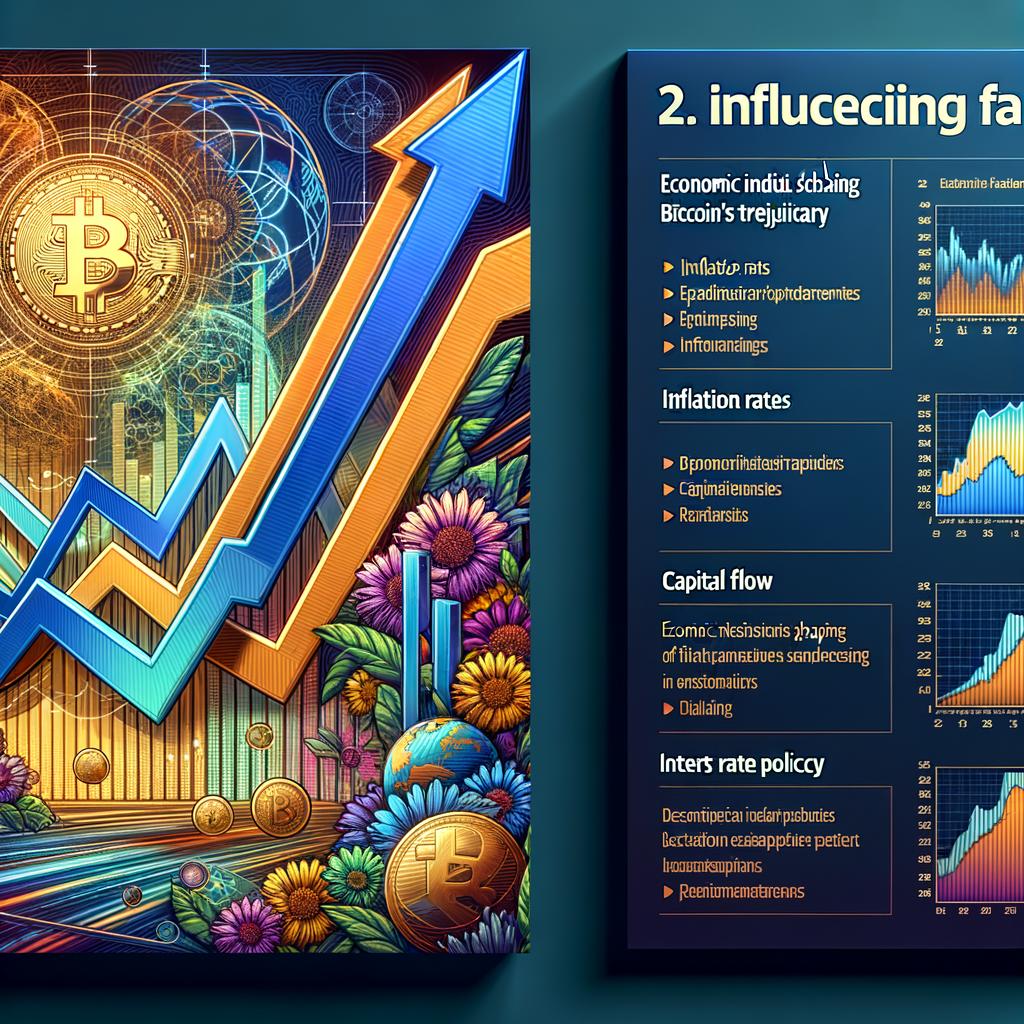
2. Influencing Factors: Economic Indicators Shaping Bitcoin’s Trajectory
Numerous economic indicators play a crucial role in shaping the trajectory of Bitcoin, influencing investor sentiment and market dynamics. Among the moast significant are inflation rates, which impact the attractiveness of bitcoin as a hedge against currency devaluation. When inflation rises, customary fiat currencies tend to lose value, leading investors to seek choice stores of value, such as Bitcoin.Additionally,interest rates set by central banks can influence the cost of holding Bitcoin versus traditional investments. Lower interest rates may incentivize borrowing and investing in riskier assets, thereby boosting demand for cryptocurrencies.
Global economic stability is another vital factor affecting bitcoin’s price movements.During times of economic uncertainty or geopolitical tensions, investors often flock to Bitcoin as a safe-haven asset. Furthermore, regulatory developments can substantially impact market confidence and participation. The introduction of favorable regulations can encourage institutional adoption, while restrictive measures might lead to market volatility. Other key indicators include employment rates and GDP growth, as these reflect overall economic health and, consequently, consumer and investor confidence in allocating funds to digital assets.Understanding these forming influences is essential for forecasting Bitcoin’s potential future movements.
3. Technical Analysis: Chart Patterns and predictions for Future Movements
Recent technical analysis of Bitcoin’s price movements reveals the formation of several key chart patterns that could signify upcoming volatility. Analysts have observed the presence of a symmetrical triangle formation, which typically indicates indecision in the market. This pattern suggests that traders are waiting for a decisive breakout in either direction. Moreover, the relative strength index (RSI) has shown a divergence, hinting at strong momentum that may lead to price action. In conjunction with moving averages, it seems the market is approaching a pivotal point where a breach above the resistance level could trigger an upward movement, while failure to maintain support could signal a downturn.
In assessing potential future movements, it’s critical to consider both bullish and bearish scenarios. Key levels to watch include:
- Resistance Levels: If Bitcoin surpasses the $40,000 mark, a rally towards the previous all-time high might be expected.
- Support Levels: A drop below $35,000 could lead to increased selling pressure and may test lower supports.
The market sentiment depicted through trading volumes and order books also plays a significant role in predicting short-term trends. An increase in volume during a breakout may confirm the strength of a trend, while low volume could suggest a lack of conviction among traders. Thus, a complete evaluation of these technical components is essential for making informed investment decisions in the current Bitcoin landscape.
4. Investor Sentiment: Understanding Public Perception and Market Reactions
The landscape of investor sentiment is a crucial component in understanding the dynamics of the Bitcoin market. It often reflects public perception and can significantly influence market reactions. A variety of factors contribute to this sentiment, including news events, regulatory developments, and social media discourse. Key drivers of investor sentiment include:
- Market News: Significant events like price surges, exchange hacks, or regulatory announcements can greatly sway public perception.
- Social Media Influence: Platforms such as Twitter and Reddit frequently enough serve as barometers for investor sentiment, where trends can shift rapidly based on viral discussions.
- Technological Developments: Innovations within the Bitcoin ecosystem, such as the introduction of new features or scalability solutions, can also shape opinions and market behaviour.
Understanding these elements provides insight into how sentiment can lead to market volatility. When investors become overly optimistic, it can drive prices higher, possibly leading to a bubble. Conversely,panic selling can result from negative news,causing steep declines. Indicators of sentiment to monitor include:
- Social Media Sentiment Analysis: Tools that assess positive versus negative sentiments can offer predictive insights into market direction.
- Trading Volume Changes: Significant shifts in trading volume can signal changes in investor confidence and willingness to engage with the market.
- Surveys and Polls: Regular assessments of investor sentiment through structured surveys can help gauge overall market confidence.
today’s Bitcoin market presents a dynamic landscape shaped by various factors ranging from regulatory developments to shifts in investor sentiment. As we have unpacked through our analysis, opportunities for growth exist alongside significant challenges that could impact market stability.
Investors and stakeholders must remain vigilant and informed, continuously analyzing trends, price movements, and external influences affecting Bitcoin’s trajectory.By adopting a strategic approach that incorporates both a robust understanding of market fundamentals and a keen awareness of emerging trends, participants in the Bitcoin ecosystem can navigate this complex environment more effectively.Looking ahead, it is indeed crucial to stay attuned to ongoing developments in the cryptocurrency space, as they will further define the opportunities and risks associated with bitcoin. Only by maintaining a factual and analytical perspective can one hope to capitalize on the intrinsic potential of this digital asset while mitigating exposure to its inherent volatility. As the Bitcoin landscape evolves,continued vigilance and adaptability will be key in harnessing its opportunities for both existing and aspiring investors.