

Title: Then They Fight You: A Critical Analysis of a Famous Quote in History
Introduction:
In the realm of political and social movements, historical figures have often left behind a trail of powerful words that encapsulate the essence of their struggles. One such memorable quote, “First, they ignore you. Then, they laugh at you. Then, they fight you. Then, you win,” has resonated with countless individuals throughout history. Attributed to the influential leader Mahatma Gandhi, this quote has become not only a rallying cry for the oppressed, but also a strategic framework for understanding the arc of resistance against injustice. In this article, we delve into the origins, meaning, and lasting significance of this profound statement, exploring its impact on historical events and its relevance in today’s world. Join us as we embark on a factual analysis of “Then They Fight You,” exploring the rhetoric behind this quote and its captivating ability to inspire movements for change.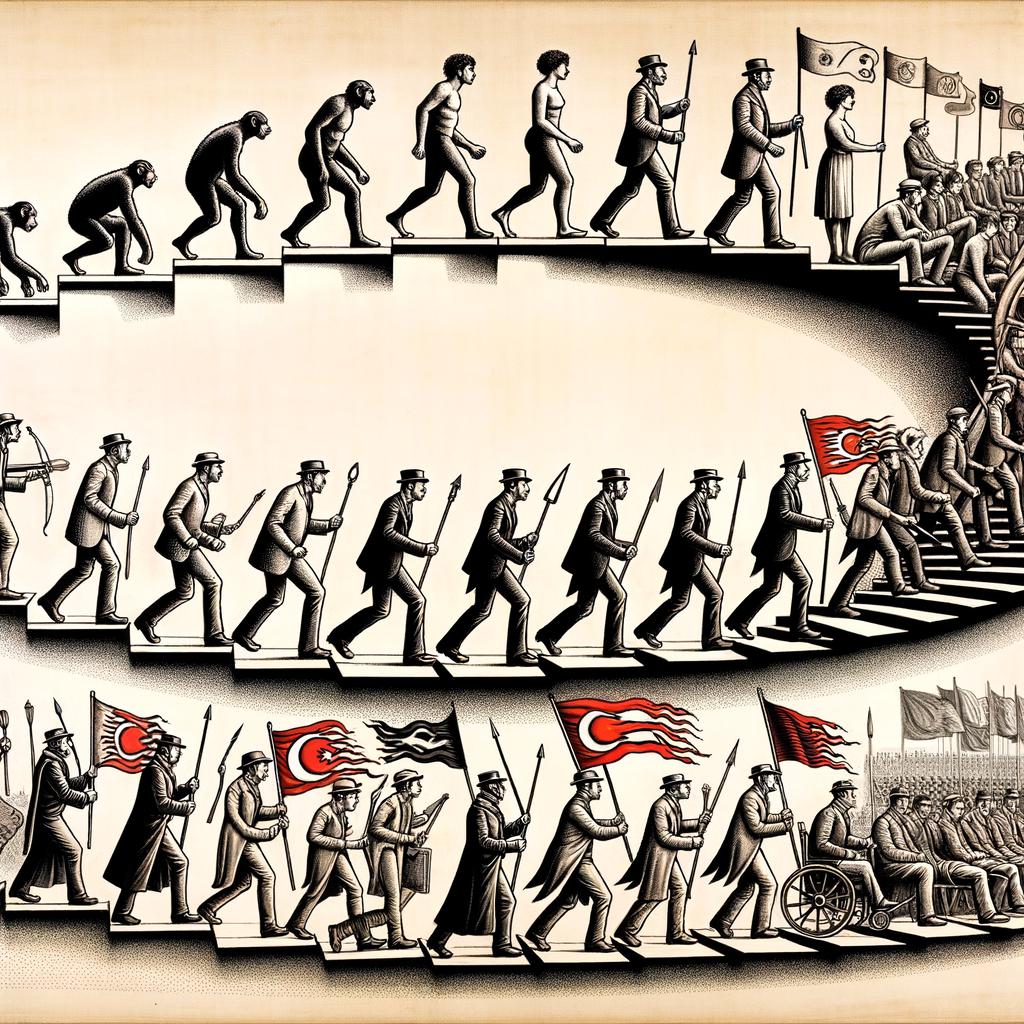
1. The ‘Then They Fight You’ Strategy: A Historical Exploration of its Origins and Context
The ‘Then They Fight You’ strategy has a rich historical background, with origins that can be traced back to various conflicts and power struggles throughout history. This strategy, often employed by leaders or groups facing opposition, aims to confront their adversaries head-on, ready to engage in a battle of ideas, resources, or even physical combat. To fully understand the strategy’s context, we must delve into its historical roots and explore the significant events that shaped its evolution.
One of the earliest instances of this strategy can be seen in the ancient world, where numerous conquerors and political leaders relied on this tactic to assert their dominance. For example, Alexander the Great, known for his military prowess, faced resistance from various regions during his conquests. Instead of avoiding confrontations, he strategically faced his opponents head-on, dismantling their armies and consolidating his power through force.
Another noteworthy historical example of the ’Then They Fight You’ strategy can be observed during the American Civil Rights Movement of the 1950s and 1960s. Faced with pervasive racism and segregation, civil rights activists like Martin Luther King Jr. and Rosa Parks adopted this strategy by openly confronting systemic injustices and discriminatory practices. Through peaceful protests, nonviolent resistance, and legal battles, they ignited a powerful movement that ultimately led to significant social and legislative changes.
2. Examining the Evolution of the ‘Then They Fight You’ Approach in Contemporary Political and Social Movements
A significant shift has been observed in the strategies employed by contemporary political and social movements, as they adapt and evolve the famous ‘Then They Fight You’ approach. This approach, popularized by Mahatma Gandhi, emphasizes non-violent resistance and strategic confrontation to challenge oppressive systems. In recent years, however, we have witnessed a nuanced transformation in the application of this approach, reflecting the changing dynamics of our socio-political landscape.
One notable aspect of the evolved ‘Then They Fight You’ approach is the integration of technology and social media platforms. Movements now utilize digital tools to amplify their messages, mobilize supporters, and capture attention on a global scale. From viral hashtags to powerful online campaigns, social activists employ these platforms to galvanize public opinion and combat systematic injustices. This shift has undeniably expanded the reach and impact of movements, enabling individuals across the world to participate, contribute, and stay informed.
Another noteworthy evolution within the ‘Then They Fight You’ approach lies in the diversification and intersectionality of causes. Contemporary movements recognize that issues such as racial inequality, gender discrimination, economic disparity, and climate change are deeply interconnected. By addressing multiple forms of oppression simultaneously, activists aim to create a more comprehensive and inclusive movement that centers marginalized voices. This shift acknowledges the complex nature of social problems, paving the way for broader coalitions and collective action.
3. Case Studies: Unpacking the Impact of the ‘Then They Fight You’ Strategy in Various Movements
In the world of social and political movements, strategies often play a crucial role in determining success. One strategy that has gained significant attention is the ‘Then They Fight You’ approach, which emphasizes persistence and resilience in the face of opposition. Through examining case studies from different movements, we can delve into the impact of this strategy on their outcomes.
Case Study 1: Civil Rights Movement
- The Civil Rights Movement in the United States during the 1950s and 1960s is a profound example of the effectiveness of the ‘Then They Fight You’ strategy.
- Activists like Martin Luther King Jr. and Rosa Parks faced immense resistance, but their resilience and unwavering determination ultimately led to landmark achievements such as the Civil Rights Act of 1964 and the Voting Rights Act of 1965.
- The movement’s undeterred commitment to nonviolent protests and peaceful resistance united individuals across different races, regions, and backgrounds, captivating the nation and sparking significant social change.
Case Study 2: Women’s Suffrage Movement
- The Women’s Suffrage Movement is another illustrative case study showcasing the power of the ‘Then They Fight You’ strategy.
- Leaders like Susan B. Anthony and Elizabeth Cady Stanton were subjected to fierce opposition, ridicule, and even imprisonment as they fought for women’s right to vote in the late 19th and early 20th centuries.
- However, their steadfastness in the face of adversity allowed them to mobilize millions, create powerful alliances, and eventually secure the passage of the 19th Amendment to the U.S. Constitution in 1920, granting women the right to vote.
Case Study 3: LGBTQ+ Rights Movement
- The LGBTQ+ rights movement has demonstrated the effectiveness of the ‘Then They Fight You’ strategy in recent times.
- Advocates fighting for equal rights and acceptance faced discrimination, violence, and legal barriers, but their persistent activism has resulted in significant milestones, including the legalization of same-sex marriage in numerous countries.
- Notable organizations like the Human Rights Campaign and events like Pride parades have brought visibility to the movement, leading to increased societal acceptance and equal rights protections for LGBTQ+ individuals.
4. Navigating the Ethical Boundaries of the ‘Then They Fight You’ Strategy: Unveiling the Pros and Cons
The ‘Then They Fight You’ strategy, popularized by Mahatma Gandhi, has been a subject of intense debate regarding its ethical implications. While it has been praised for its potential to empower the marginalized and effect social change, critics argue that it can lead to an escalation of conflicts, erode moral values, and perpetuate a cycle of violence. To better understand the pros and cons of this strategy, it is essential to delve into its various aspects.
Pros:
- Empowerment: One of the key strengths of the ‘Then They Fight You’ strategy is its ability to empower marginalized individuals or communities who have historically been oppressed or marginalized. By forcing the opposition to confront their injustices, it brings much-needed attention to their cause and can lead to tangible social and political reforms.
- Nonviolent Resistance: At its core, the strategy emphasizes nonviolence as a means to counter injustice. Through passive resistance, it promotes the idea that societal change can be achieved without resorting to physical aggression. This nonviolent approach helps maintain the moral high ground, garnering public support and sympathy for the cause.
- Critical Reflection: The strategy pushes those in power to critically reflect on their actions and policies by highlighting the consequences of their oppressive behavior. By publicly exposing their wrongdoings, it forces them to confront their own ethical boundaries, potentially leading to self-imposed reforms or concessions.
Cons:
- Potential for Escalation: While nonviolent in essence, the ‘Then They Fight You’ strategy has the potential to provoke the opposition, leading to a rise in hostility and violence. As the conflict intensifies, the line between peaceful resistance and aggressive retaliation can become blurred, risking the safety of both the activists and the general public.
- Erosion of Morals: Critics argue that the strategy, when employed under certain circumstances, can erode moral values by promoting confrontational tactics and retaliatory behavior. This erosion can lead to a degradation of empathy and ethical conduct, hindering efforts to build a just and compassionate society.
- Cycle of Violence: In some cases, the ‘Then They Fight You’ strategy can perpetuate a cycle of violence. When met with an aggressive response from those in power, the oppressed may feel compelled to resort to violence in self-defense, potentially undermining the long-term goals of reconciliation and peaceful resolution.
In conclusion, the previously overlooked concept of “Then They Fight You” illuminates a crucial aspect of human progression and struggle throughout history. As examined through the lens of social and political movements, we have witnessed the struggle for justice and equality evolve over time. From the Indian independence movement to the Civil Rights Movement in the United States, and countless others across the globe, these movements have faced initial resistance and opposition. However, their unwavering determination and resilience have propelled them forward, ultimately leading to significant social changes.
Understanding the process of “Then They Fight You” sheds light on the complex dynamics between those in power and those yearning for change. Activists and reformists alike have encountered immense resistance and often been met with hostility from those benefiting from the status quo. However, history has shown that these struggles have not been in vain. The transformative power of collective action and organized movements has proven time and time again that, though the journey may be arduous, change is achievable when the voices of the marginalized are amplified and united.
It is essential to recognize the importance of documenting and understanding this process, as it allows us to appreciate the progress we have made as a society and inspires us to continue fighting for a better future. By acknowledging the challenges faced by historical movements and recognizing the parallels in contemporary struggles, we can better equip ourselves to navigate the unavoidable obstacles that lie ahead.
Ultimately, “Then They Fight You” serves as a stark reminder that progress is never a linear path, but rather a series of battles to be fought and won. As we continue to challenge systemic injustices and work towards a more inclusive society, let us draw inspiration from the resilience of those who came before us. Through perseverance, solidarity, and an unwavering commitment to justice, we too can prevail, making the world a better place for generations to come.