

The emergence of Bitcoin as an alternative currency has presented a revolutionary breakthrough to the world of digital finance. Serving as a form of decentralized digital currency, Bitcoin eliminates the need for a trusted third party to facilitate financial transactions. This digital currency is gaining widespread adoption among countries, institutions, and individuals, highlighting its importance and disruptive potential. In this article, we will discuss the essential features of Bitcoin, its advantages, and how to acquire it.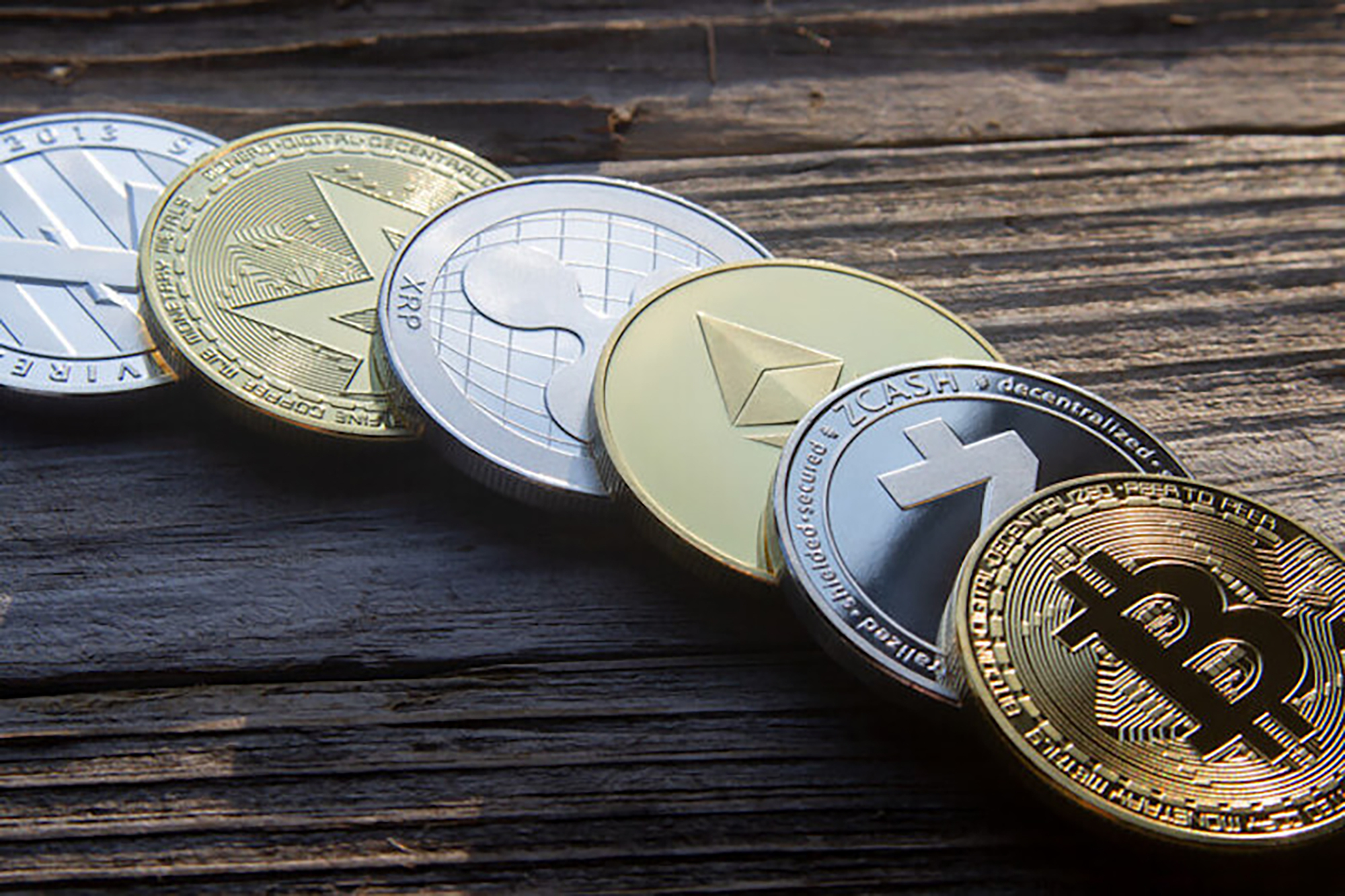
I. Introduction to Bitcoin
Bitcoin is the world’s first and leading decentralized digital currency. It is a form of money that is completely electronic, peer-to-peer, and can be used by anyone, anywhere in the world. Bitcoin enables the user to send money directly to any person, merchant, or business without the need for a third-party intermediary.
It is called a cryptocurrency due to the use of cryptography to secure and verify the transaction of Bitcoin. Bitcoin is a digital asset class, similar to stocks, commodities, and other investments. It is not owned by any one individual, company, or government. It is open-source and has a finite supply, making it relatively scarce and valuable.
- Decentralized – Bitcoin is not owned by any individual, company, or government
- Secure – Bitcoin uses cryptography to secure and verify transactions
- Global – Bitcoin is usable by anyone, anywhere in the world
- Scarce – Bitcoin has a finite supply, making it relatively scarce
II. Benefits of Bitcoin
Secure Transactions. Bitcoin is one of the most secure payment systems currently available. All Bitcoin transactions are encrypted using advanced cryptographic technology, which makes it extremely difficult for fraudulent activities to occur. Additionally, Bitcoin’s distributed ledger technology allows for security features such as wallet authentication and two-factor authentication.
Reduce Fees. With Bitcoin, there are minimal to no fees associated with transactions. This makes it an attractive payment option for users, as the low cost of payments can help to reduce overhead costs. Additionally, there are no processing fees associated with using the Bitcoin network, allowing users to save even more money.
- No intermediary or 3rd party required
- Fast and secure transactions
- No fraud risk
- Lower transaction fees
- No chargebacks
III. Challenges of Bitcoin
Bitcoin has revolutionized the digital world, creating a secure and reliable way to exchange value between individuals and businesses online. However, there are some drawbacks to using Bitcoin as a currency, which can create challenges for those looking to use Bitcoin as a payment option.
- Price Volatility: Bitcoin can experience dramatic price swings, making it difficult to predict when it is the most cost-effective way to make a payment. Coin values can rapidly depreciate, meaning that if businesses accept a payment in Bitcoin, they could end up losing money.
- Transaction Fee: The Bitcoin network fees can be high – particularly during peak times of usage. This can lead to an increase in costs for those making or accepting payments, which could render using the cryptocurrency impractical.
- Regulation: The regulation of Bitcoin is often evolving and uncertain. This poses a challenge for businesses wishing to use Bitcoin as a secure form of payment, as it may be difficult to stay up-to-date with the legal landscape.
Finally, concerns about security and privacy with Bitcoin can create a barrier to its wider implementation. The distributed nature of Bitcoin makes it difficult to secure and guarantee transactions, meaning there is always the risk of fraud. This may create a reluctance for businesses to accept payments in Bitcoin, as the risks may outweigh the rewards.
IV. Conclusion
In sum, this exploration has sought to examine the potential implications of an increasing consumer demand for sustainable goods and services. It is clear that the consumer behaviour patterns of today are placing increasing pressure on corporations to evolve in order to meet the growing demand. A key finding is that sustainable businesses possess a distinct competitive advantage; customers view them more positively, they are perceived as reliable partners and they can benefit from various subsidies. Additionally, businesses prioritise customer satisfaction and creating valuable change for stakeholders.
Given the outlined advantages of sustainable business, there are several important implications that must be considered when creating a business strategy. Firstly, businesses need to actively consider methods of reducing their environmental footprint and optimising their resource usage in order to not only remain competitive, but to also serve the goal of reducing global emissions. Secondly, businesses must make conscious decisions on how to engage with stakeholders, as this will be essential for understanding consumer needs and providing valuable services.
- Sustainable businesses possess a distinct competitive advantage
- Important implications for business strategies include reducing environmental footprint and engaging with stakeholders
- Businesses must prioritise customer satisfaction and creating meaningful change
As the revolutionary Bitcoin continues to make its way into the public sphere, it’s important to be aware of all the opportunity and risks associated with it. With its unprecedented potential for financial inclusion and the power to revolutionize the way we use money, Bitcoin provides an exciting, albeit somewhat uncertain, opportunity for innovative investors. By understanding the basics of Bitcoin and its potential value, you can make an educated decision about whether or not to involve yourself in the world’s most disruptive digital asset.