
In a striking shift amidst escalating geopolitical tensions, the probability of Iran blocking the strategically critical Strait of Hormuz has surged to 52% on Polymarket, following recent air strikes carried out by former President Donald Trump on Iranian nuclear facilities.This advancement underscores the precarious balance in the region, as analysts and investors closely monitor the multifaceted implications of military actions on Iran’s maritime strategies. The Strait of Hormuz,through which a significant portion of the world’s oil supply is transported,has long been a focal point of contention,and the recent events have rekindled fears of potential disruptions to global energy markets. As the international community grapples with the fallout from these strikes, the likelihood of increased Iranian aggression in the maritime domain raises pressing questions about regional stability and the future of diplomatic negotiations over Iran’s nuclear ambitions.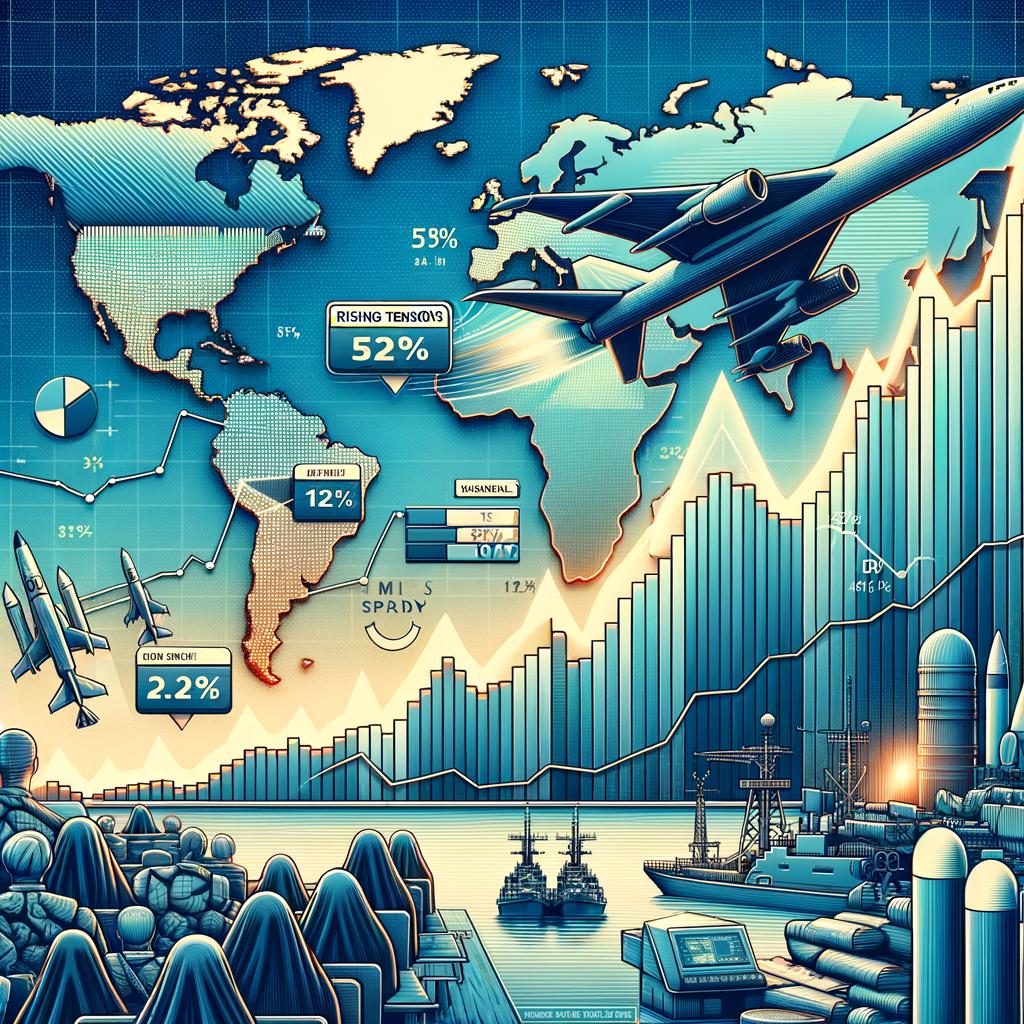
Rising Tensions: Polymarket Indicates 52% Probability of Iran Blockading Strait of Hormuz Following Trump’s Air Strikes
Recent developments surrounding U.S. airstrikes have escalated tensions in the Middle East, particularly concerning Iran’s strategic positioning in the Strait of Hormuz. Data from Polymarket suggests a 52% probability of Iran initiating a blockade in response to these military actions.Analysts speculate that such a blockade could be a calculated move by Iran to assert its influence and retaliate against perceived aggression from the United States. The Strait, a vital conduit for global oil shipments, already faces heightened scrutiny given its significance to international trade.
The implications of a potential blockade are significant. Should Iran follow through on these threats, the repercussions could ripple through the international oil markets, leading to increased prices and heightened market volatility. industry experts point out that Iran’s capability to disrupt shipping routes would not onyl impact oil supply chains but could also provoke a stronger military response from the U.S.and its allies. This scenario underscores the fragility of geopolitical stability in the region, as tensions between major powers continue to rise.
Monitoring the situation is critical, as any escalation could trigger a broader conflict. Diplomatic channels remain strained, and various stakeholders in the region are on high alert. Factors contributing to the rising probability of a blockade include Iran’s recent military maneuvers and the past context of U.S.-Iran relations. As the international community observes these developments, the stakes remain high for energy markets and global economic stability.
Geopolitical Implications: Escalation in Iran’s Intentions Post-Strike Threatens Global Oil Supply
The recent escalation in iran’s geopolitical intentions following a series of military strikes raises significant concerns regarding the global oil supply. Analysts warn that Tehran’s threats to retaliate against perceived aggressors could disrupt production and transportation routes critical to the international energy market. As tensions mount,the potential for conflict in the Strait of Hormuz-through which a ample portion of the world’s oil supply is transported-grows increasingly likely. Such an outcome could send shockwaves through global oil prices,affecting economies reliant on stable energy costs.
In this precarious environment, Iran’s posturing may also compel neighboring countries to reassess their security strategies and alliances. as regional players respond to Tehran’s aggressive rhetoric, the delicate balance of power in the Middle East could be further destabilized, leading to an arms buildup or enhanced military cooperation among rivals.Key countries in the Gulf Cooperation Council (GCC), along with other regional powers, might seek to bolster their defensive capabilities, heightening the likelihood of miscalculations that could result in direct confrontations.
Furthermore, the repercussions of heightened hostilities extend beyond immediate regional concerns, impacting global markets and international relations. Western nations, particularly major consumers of oil, may find themselves caught in a complex web of diplomacy as they navigate their relationships with both Iran and its adversaries. The uncertainty surrounding Iran’s nuclear ambitions adds an additional layer of complexity, as nations grapple with the implications of a nuclear-capable Iran possibly using threats to position itself favorably in future negotiations. In this volatile context, the interplay of military might, economic interests, and diplomatic efforts will be crucial in determining the trajectory of both regional stability and global energy security.
Analyzing the risk: Experts Weigh Consequences of Potential Iranian Action in Strategic Waterway
Recent geopolitical developments surrounding Iran have raised significant concerns regarding the stability of key waterways that are critical for global trade and energy transportation. Analysts assert that any aggressive action taken by Iran in these strategic areas could lead to a cascade of consequences not only for regional security but also for the global economy. The implications include potential disruptions in the supply chain for oil and gas, prompting spikes in prices that could reverberate throughout international markets.
Experts suggest that the risks associated with Iranian actions extend beyond immediate military confrontations. The potential for escalation is notably high, as many stakeholders, including the United States and allied nations, may be compelled to respond. This scenario could prompt military engagement or sanctions, further complicating diplomatic relations. Key factors to consider include:
- Possible sanctions that may be imposed in retaliation.
- The likelihood of increased naval presence by international powers in the region.
- Reactions of neighboring countries and their strategic alliances.
Furthermore, the broader implications of such actions have profound effects on global security architecture, potentially leading to a re-evaluation of defense strategies by other nations. The uncertainty surrounding Iranian policy, coupled with fluctuating responses from international actors, creates a volatile atmosphere. In this context, fostering dialogue and diplomatic solutions remains critical to preventing further escalation and ensuring the safety of vital maritime routes. areas for further analysis include:
- The impact of Iranian actions on international trade routes.
- Long-term effects on regional alliances.
- Strategic shifts in energy supply and demand dynamics.
the recent escalation in tensions between the United States and Iran, notably following President Trump’s air strikes on Iran’s nuclear facility, has considerably influenced market perceptions regarding the geopolitical landscape in the Middle East.The probability of Iran blocking the strategically crucial Strait of Hormuz now stands at 52% on Polymarket, reflecting heightened concerns among investors and analysts alike about potential disruptions to an essential corridor for global oil transport. as these developments unfold, the implications for international security and the global economy cannot be understated. Stakeholders will need to closely monitor the evolving situation, as any drastic actions by Iran could reverberate throughout the energy markets and beyond. The coming days will be crucial in determining whether diplomacy or further conflict will shape the future of this vital region.