


What are the benefits of the Inevitable Cap for the digital currency market?
The world of cryptocurrency is ever-evolving, and the latest development is the introduction of the Inevitable Cap. This new concept is set to revolutionize the way we think about the supply of digital currencies.
The Inevitable Cap is a hard limit on the total supply of a digital currency, set at 2,100,000,000,000,000 Satoshis. This is the equivalent of 21 million Bitcoin, and it is an absolute limit that cannot be exceeded. This means that no matter how much demand there is for a particular digital currency, the total supply will never exceed this limit.
The Inevitable Cap is designed to provide stability to the digital currency market. By limiting the total supply, it prevents the market from becoming flooded with too much of a particular currency, which can lead to price volatility. It also ensures that the value of a digital currency is not artificially inflated by an influx of new coins.
The Inevitable Cap is also designed to protect investors from the risk of inflation. By limiting the total supply, it prevents the currency from becoming devalued due to an oversupply. This means that investors can be confident that their investments will retain their value over time.
The Inevitable Cap is an exciting development in the world of cryptocurrency, and it is sure to have a positive impact on the market. By providing stability and protecting investors, it is sure to be a welcome addition to the digital currency landscape.
The concept of a finite supply lies at the core of many cryptocurrencies, including the pioneer Bitcoin. With its groundbreaking technology and decentralized nature, Bitcoin introduced a new form of digital asset that challenged traditional monetary systems. Central to its design is a built-in cap on the total supply of bitcoins – a predetermined limit that ensures scarcity and, ultimately, defines the cryptocurrency’s value proposition. In this analytical article, we delve into the fascinating world of Bitcoin’s supply cap, exploring the specifics of the 2,100,000,000,000,000 satoshis supply and its profound implications for the crypto ecosystem. Through a factual lens, we aim to unveil the true significance of this inevitable cap and shed light on its potential consequences for the wider financial landscape.
Heading 1: Understanding the Implications of the Fixed Cap: Unveiling the 2,100,000,000,000,000 Satoshis Supply
One of the fundamental principles of Bitcoin is its fixed supply of satoshis. With a fixed cap set at 2,100,000,000,000,000 satoshis, understanding the implications of this supply is crucial in comprehending the underlying design and eventual implications of the world’s leading cryptocurrency.
At its core, the fixed cap ensures that Bitcoin remains scarce, creating a digital asset with limited availability. This scarcity is unlike traditional fiat currency, which can be subject to inflationary pressures. With a finite supply of satoshis, Bitcoin is designed to have a deflationary nature, encouraging a long-term store of value and an incentive for early adopters.
Another consequence of the fixed cap is its impact on Bitcoin’s decimal system. Bitcoin utilizes eight decimal places, where one bitcoin is composed of 100,000,000 satoshis. This allows for micro-transactions in the Bitcoin network, facilitating smaller, rapid and low-cost transactions that are not feasible with traditional financial systems. Additionally, with such a large number of satoshis, the divisibility of Bitcoin is preserved, providing flexibility for future adoption and scalability of the currency.
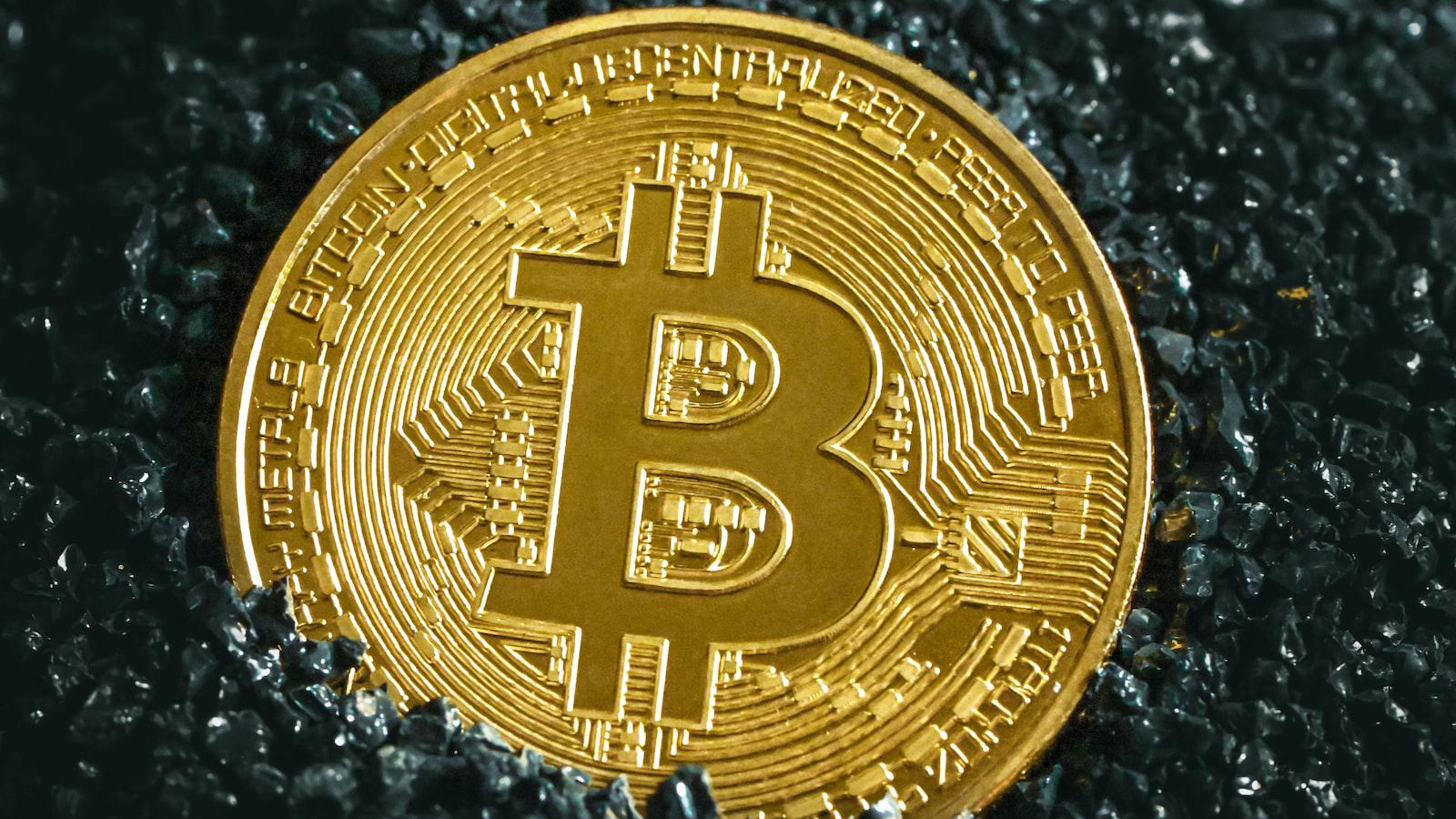
Heading 2: Analyzing the Decentralized Nature of Bitcoin’s Inevitable Cap
Bitcoin’s decentralized nature is a fundamental aspect of its design, ensuring that no single entity can control or manipulate the supply of the cryptocurrency. One important element of this decentralized system is the inevitable cap on the total number of bitcoins that will ever be in circulation. Known as the “Inevitable Cap,” this limit is set at 2,100,000,000,000,000 satoshis.
At the time of Bitcoin’s creation, its anonymous founder, Satoshi Nakamoto, defined this cap as a way to establish scarcity and ensure the currency’s long-term viability. Each bitcoin can be divided into 100 million satoshis, making the cap 21 million bitcoins in total. This foresight has made Bitcoin a deflationary asset, with a fixed supply that cannot be altered, combating the effects of inflation that traditional fiat currencies often face.
The Inevitable Cap has significant implications for the future value of Bitcoin. As the demand for bitcoin increases, and the supply becomes limited due to the cap, basic economic principles suggest that its price should rise. With a finite supply and growing adoption, the scarcity of bitcoins will serve as a potential catalyst for increased value over time. Moreover, the divisibility of bitcoins into smaller units, such as satoshis, allows for more flexibility in transactions as the price of bitcoin continues to rise, making it accessible to a broader range of users.
Heading 3: Evaluating the Long-Term Effects: Potential Benefits and Challenges
The long-term effects of the cryptocurrency market have been the subject of much speculation and debate. As the popularity of Bitcoin continues to rise, it is important to evaluate the potential benefits and challenges that may arise from its increasing adoption. One of the key factors to consider is the inevitable cap on the supply of Satoshis, the smallest unit of Bitcoin, which is set at 2,100,000,000,000,000.
There are several potential benefits that can be attributed to this supply cap. Firstly, it ensures scarcity and creates a finite supply of Satoshis, which can be seen as a positive feature in terms of value preservation and long-term investment potential. With a limited supply, the value of Satoshis is likely to appreciate over time, potentially leading to greater returns for early adopters and investors.
Furthermore, the fixed supply can contribute to the stability of the Bitcoin ecosystem. By preventing the creation of an unlimited number of Satoshis, it reduces the risk of inflation and helps to maintain the purchasing power of the currency. This aspect is particularly attractive for those seeking a currency that is resistant to the devaluation often associated with traditional fiat currencies.
However, it is important to acknowledge the challenges that may arise from this supply cap. One potential concern is the potential for deflation, where a decrease in the supply of Satoshis could lead to price volatility and hinder the adoption of Bitcoin as a medium of exchange. This is a delicate balance that requires careful management to ensure that the value of Satoshis remains stable enough for everyday transactions.
Additionally, the fixed supply also raises questions about scalability and future growth prospects. As the popularity of Bitcoin continues to grow, an increased demand for Satoshis may put pressure on the limited supply, potentially leading to higher transaction fees and slower processing times. Solving these scalability challenges will be crucial for the long-term success and widespread adoption of Bitcoin.
Heading 4: Implications for Investors: Strategic Considerations for Navigating the Bitcoin Market
When it comes to investing in the Bitcoin market, there are several strategic considerations that investors need to keep in mind. One of the most significant factors to consider is the inevitable cap on the supply of Satoshis, the smallest unit of Bitcoin. With a total supply of 2,100,000,000,000,000 Satoshis, understanding the implications of this limit is crucial for navigating the market effectively.
First and foremost, the limited supply of Satoshis ensures scarcity, which is a fundamental driver of value in any asset. As demand for Bitcoin continues to grow, the fixed supply will lead to an increased scarcity, potentially driving up prices in the long term. This scarcity provides a unique opportunity for investors to capitalize on the potential appreciation of Bitcoin as a store of value.
Furthermore, the limited supply of Satoshis also has implications for the divisibility of Bitcoin. With such a large supply, the ability to break down Bitcoin into smaller units allows for greater accessibility and liquidity in the market. This divisibility not only enhances the usability of Bitcoin as a medium of exchange but also opens up possibilities for microtransactions, which can be particularly appealing in certain industries or developing economies.
In conclusion, the concept of an inevitable cap on the supply of Satoshis is a significant development within the cryptocurrency community. With a finite total of 2,100,000,000,000,000 Satoshis, the scarcity of this digital currency is reinforced, potentially increasing its value over time.
As we delve into the implications of this cap, it is important to note that the inherent deflationary nature of Satoshis may lead to a shift in the way individuals perceive and utilize this currency. The fixed supply has the potential to create a store of value, similar to gold, with limited Satoshis available for use. This could catalyze a reevaluation of traditional monetary systems and underline the significance of decentralized cryptocurrencies in the global economy.
Furthermore, the inevitable cap brings attention to the long-term stability of Satoshis. With no possibility of increasing the supply beyond the predetermined limit, it offers users a sense of security, circumventing concerns surrounding inflation that plague government-backed currencies. This stability may be particularly appealing in volatile economic climates, providing an alternative avenue for individuals seeking a safe haven for their wealth.
However, it is crucial to remain vigilant to the challenges that may arise with a capped supply of Satoshis. The limited amount could potentially result in hoarding behavior, reducing availability for transactional purposes and hindering the overall liquidity of the currency. Additionally, the concentration of wealth among early adopters and hoarders could exacerbate existing wealth disparities within the crypto ecosystem.
In conclusion, the concept of an inevitable cap on the supply of Satoshis is a fascinating aspect within the world of cryptocurrencies. As we continue to witness the maturation of Bitcoin and other digital assets, understanding the implications and effects of this capped supply will be crucial in navigating the future of finance and global economic systems. Analyzing the potential impact on both individual users and the broader market, it is evident that the limited supply of Satoshis has the potential to revolutionize the way we perceive and interact with digital currencies.