

The once highly speculative cryptocurrency, Bitcoin, has gained momentous traction around the world as steadily increasing levels of trust and acceptance continue to drive its success. Bitcoin has gained recognition from countries such as the United States, Japan, and Germany, and more recently, India is also beginning to welcome the digital currency. The growing acceptance of Bitcoin around the world has been an exciting development and this article will explore what has led to this phenomenon.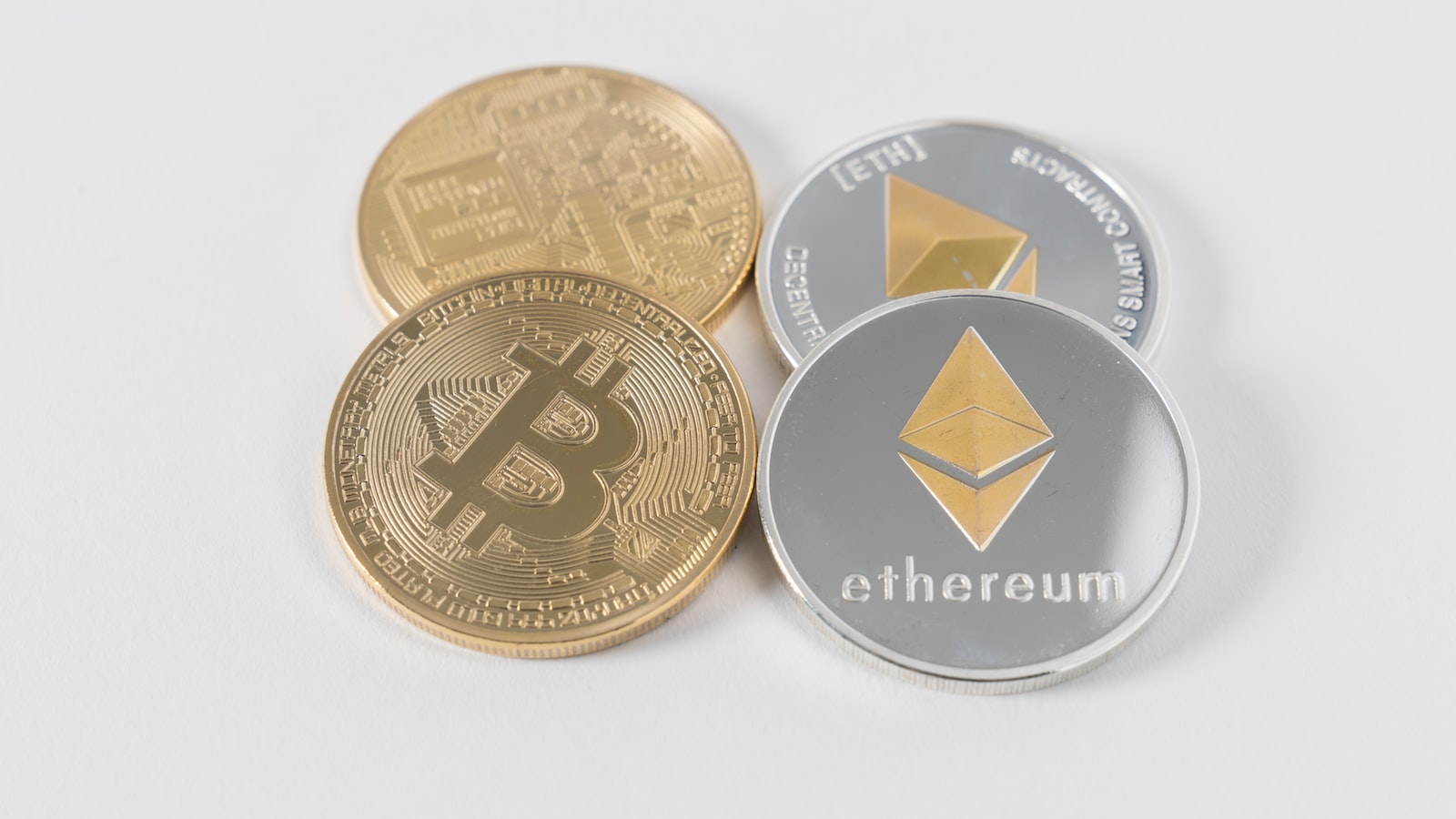
1. Increasing Adoption of Bitcoin on a Worldwide Scale
Since its launch in 2009, Bitcoin has experienced extraordinary success in the financial market, demonstrating substantial gains in market capitalization. Though its use as a transactional currency is still limited, its potential to revolutionize the remittance and payments industry has not gone unnoticed. Here are some of the main factors driving the :
- Rapidly growing user base: The Bitcoin user base has grown immensely over the past few years, with increasing numbers of people across the globe leveraging the system for a variety of purposes, ranging from transacting online to store of value.
- Low fees and cross-border transfers: Compared to conventional payment methods, Bitcoin transactions are typically more cost-efficient and faster. This makes them particularly attractive to those in the remittance sector and international traders.
- Rising government and institutional acceptance: Bitcoin’s increasing relevance in the global economy is witnessed by a growing support among governments and several financial institutions for the cryptocurrency.
- Better accessibility: A range of efforts – including the development of user-friendly applications and online exchanges – has enabled people to gain quick and easy access to Bitcoin, further augmenting its growth.
In the coming years, these developments are likely to propel the mass adoption of Bitcoin and its integration in the broader economy and financial landscape.
2. Factors Driving Global Bitcoin Acceptance
Low Risk for Transactions
Bitcoin transactions have lower risk for both parties. The risk that comes with financial transactions through banks or other types of payment platforms is at lower risk with Bitcoin. Bitcoin transactions are irreversible, similar to cash payments, which eliminates the possibility of charge backs.
Low Transaction Fees
The transaction fees associated with Bitcoin payment systems are significantly lower compared to other forms of payment. There is no intermediary bank or payment provider involved in processing a Bitcoin transaction, thus, reducing the transaction fees.
Increased Security
The security of Bitcoin transaction is very high, thanks to its Blockchain technology. The blockchain is a distributed ledger that ensures that the Bitcoin transactions are valid and are kept secure.
Ease of Usage
Using Bitcoin is much easier than traditional methods of payment. With only a few clicks, one can make a payment or receive payments without the need to have a bank account or a credit card. Additionally, anyone in the world can participate in the Bitcoin network, regardless of their location.
Mobility
Since Bitcoin does not require physical presence, it can be used for international payments and transactions without the need for exchange offices or banks. This increases mobility of the currency and makes it a convenient and secure alternative to traditional methods of payments.
3. Implications for the Future of Cryptocurrency
The implications of cryptocurrency have a far-reaching impact on our future. The following are three :
- The Growt h of Cryptocurrency: Cryptocurrency continues to grow in popularity as more individuals and businesses begin to recognize its advantages as a medium of exchange, leading to a steady increase in its value. This will bring increased investment and more mainstream acceptance, as well as inspire new applications and services to be built on the cryptocurrency blockchain.
- Increased Regulations: The rise in cryptocurrency has encouraged governments and regulatory authorities to develop new laws and regulations concerning its use and transaction processing. This will help ensure the safety and security of investors and platform users.
- Integration into Other Industries: Cryptocurrency technology is also being rapidly integrated into other industries, such as finance, health care, and retail. This will enable individuals and businesses to more easily and securely conduct transactions across the globe and reduce costs associated with traditional methods such as banking.
The growing acceptance of Bitcoin around the world has been steadily increasing due to its many advantages. From an increase in 24/7 access to financial services, to providing greater financial freedom to those who may not have access to traditional banking services, to a step towards decentralizing money and taking power away from the banks, the pros of Bitcoin are apparent. While government regulations and consumer sentiment are key determinants in the adoption of Bitcoin, it is clear that it has great potential to shape the way we manage our finances in the years to come.