

In recent years, Bitcoin has steadily become an ever-more-present force in the global financial market. As its popularity has grown, it has gained greater recognition in terms of its stability and its viability as an investment opportunity. In this article, we will take a look at the future of Bitcoin, discussing some of the potential changes on the horizon for this digital currency. We will also explore the effects that these changes could have on the financial market, and how investors can best make their decisions to ensure maximum return on investment.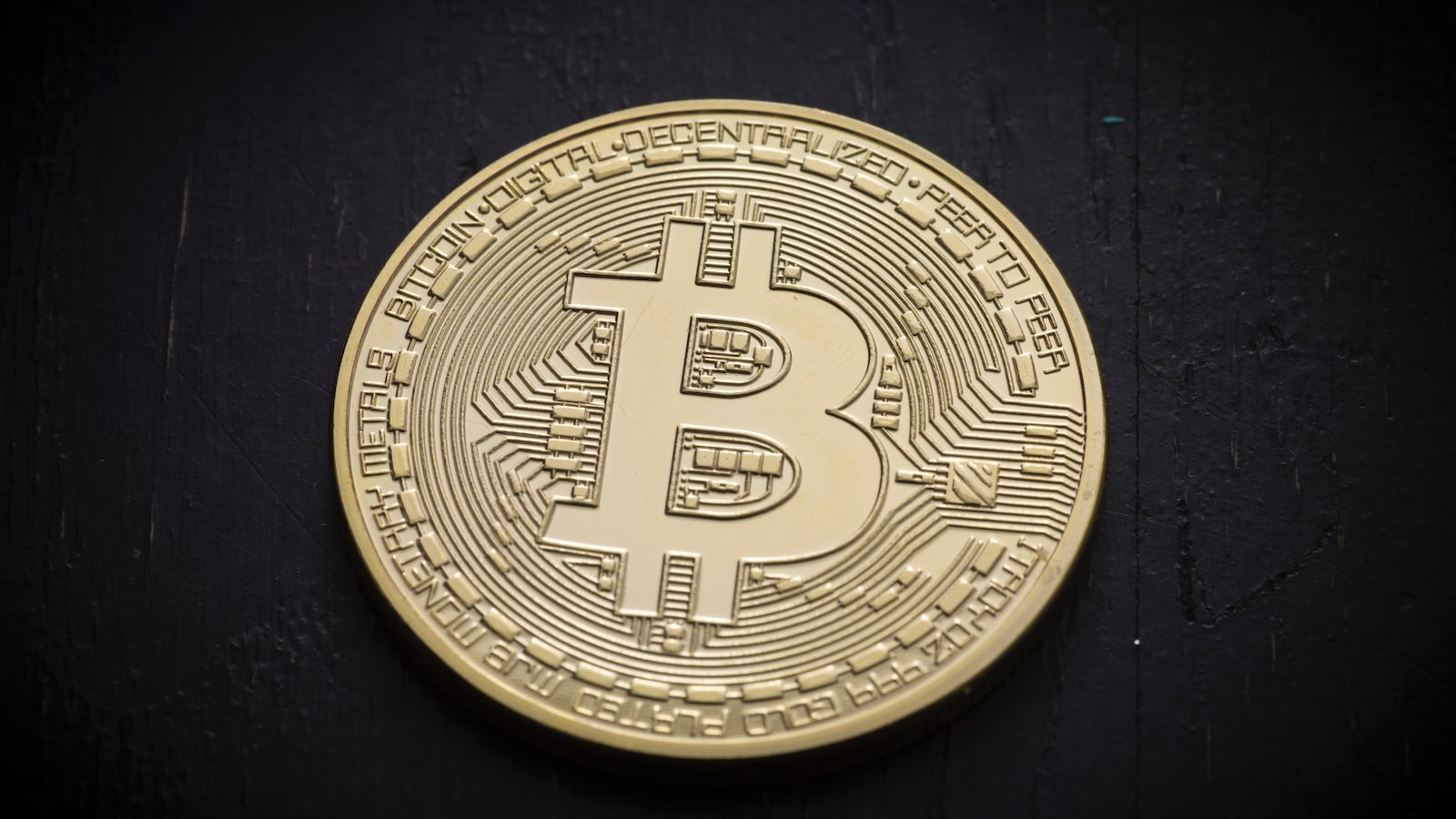
I. Overview of Bitcoin’s Impact on the Global Economy
Since its establishment over a decade ago, Bitcoin has had a significant impact on the global economy. In many ways, this cryptocurrency has been an agent of change that has disrupted traditional financial systems. Here are some of Bitcoin’s main impacts on the global economy;
- Accessibility: Previous methods of buying and selling goods and services were limited by location and accessibility. Bitcoin makes it much easier for individuals, entrepreneurs, and organizations to send and receive payments from all over the world. This has increased the interconnectivity of the global economy.
- Volatility: Due to its decentralized nature, the value of Bitcoin is subject to large swings in the market, often leading to speculation and investment. This can create both uncertainty and opportunities for investors, traders, and merchants.
- Transparency: Bitcoin’s distributed ledger technology offers a level of transparency not seen before in the financial sector. This makes it easy for users to see where their money is going, and how payments have been processed.
- Transaction Fees: Another benefit of Bitcoin is that it eliminates the need for third-party intermediaries, such as banks. As a result, users are able to send and receive payments with minimal or zero transaction fees.
Overall, Bitcoin has had a profound impact on the global economy. Its features make it a powerful tool for enabling financial transactions more efficiently and securely, and its potential goes far beyond what we have seen so far.
II. Assessing Bitcoin’s Value in the Future
The future of Bitcoin and its associated value is a topic of fervent debate. While Bitcoin has become an accepted form of payment in many countries, its long-term value is still uncertain. To better understand what lies ahead for the currency, it is beneficial to take an in-depth look at the potential factors that will impact its worth.
- Economic Factors
- Political Factors
- Innovation Factors
Economic Factors – The price of Bitcoin is largely determined by the market forces of supply and demand. Its value may be impacted by various global factors such as political unrest, economic crisis, rising inflation, and economic upheaval.
Political Factors – Bitcoin is a decentralized currency, meaning it is not backed by a government. Any government regulations or prohibitions on its use can have a significant impact on its value.
Innovation Factors – Bitcoin continues to draw attention from technological innovators, as well as venture capitalists and financial institutions. If these entities continue to show support for and investment in the currency, it could give it more credibility and strength in the future.
Although predicting the value of Bitcoin in the future is a difficult task, it is possible to make an educated guess based on the factors discussed above. To truly determine the future worth of the currency, we must monitor the current market conditions and be prepared for any potential change.
III. Implications and Predictions for the Usage of Bitcoin
The rise of Bitcoin is setting the tone for future digital currencies and its growing adoption is causing many to consider its implications and potential predictions for its usage. Here are some of the key implications and predictions surrounding Bitcoin usage:
- The consequences of large-scale adoption: As more people invest in Bitcoin, it will likely experience more volatility. This means investors need to be more cautious when investing in it and be well informed of its price movements.
- The impact of technology advancement: As the technology behind Bitcoin develops, its user experience is set to improve and more secure and efficient transactions will likely carry out. This could lead to increased usage of Bitcoin if people feel more reliable and secure when using the cryptocurrency.
- The potential of Bitcoin transactions: Cryptocurrency transactions are relatively anonymous and this could be useful for businesses that want to conduct low-cost and secure transactions without relying on other payment services. This would open up new opportunities for businesses to use Bitcoin in their transactions.
Predictions for the use of Bitcoin in the coming years include it being used increasingly in the financial sector, with a possible increase in the number of merchants that accept it as a form of payment. Additionally, it is possible for governments to control or regulate the use of Bitcoin, putting a barrier in the way of its wide-scale adoption.
As bitcoin increasingly rises to prominence, it will be important to understand the implications it has for businesses, governments, and individuals alike. Through careful consideration of the past, present, and future of the technology, it is possible to see the potential it has to revolutionize the modern economy. By continuing to monitor the development and outlook of bitcoin, future business leaders can take the necessary steps to ensure that their businesses benefit from the technology in the most practical and sustainable way.