

As virtual currencies continue to take hold of the finance industry, it has quickly become apparent that Bitcoin is among the most valuable and popular digital currencies out there. With its continuing strides in mainstream adoption, one would be hard-pressed not to consider the potential impacts the future of Bitcoin holds. This article will explore the future of Bitcoin, its potential, and the implications of its further large-scale acceptance.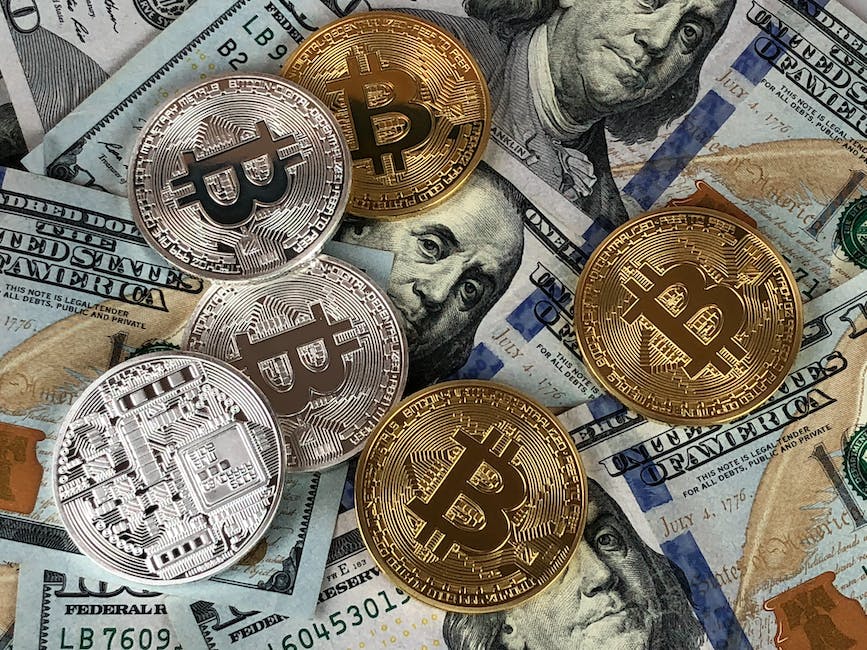
1. Introduction to Bitcoin and its Future Potential
Cryptocurrencies, such as Bitcoin, have gained significant media attention since their inception in 2009. Bitcoin is a decentralized digital currency that has no geographical or government boundaries, and no bank or middleman intermediary. It is securely transferred directly from person to person and stored in a digital wallet. Bitcoin is an open-source software and relies on blockchain technology for the anonymity and immutability of all transactions processed on the network. Transactions are transparent and secure, and all payments are peer-to-peer.
In the past decade, Bitcoin has emerged as an attractive investment for those looking to diversify their portfolios. Bitcoin has also seen an increase in demand from merchants born out of its low transaction fees and borderless payments. As Bitcoin matures and becomes more widely used, its potential as a global digital currency grows. Bitcoin provides users with the ability to store, transfer and spend money in a secure and immutable way, making it a potentially valuable asset for offline and online transactions.
2. Examining Bitcoin’s Place in the Global Financial Landscape
Bitcoin, the world’s first and foremost digital currency, has set off an unprecedented flurry of activity and interest in the global financial community. Few could have predicted the meteoric rise of Bitcoin, and its impact and presence in the world of finance is still being examined. This section looks at Bitcoin’s place within the existing financial landscape and its potential consequences.
The value of Bitcoin’s network is its decentralised nature, meaning transactions are not controlled by a central authority. Its rapid growth indicates a growing enthusiasm among users for digital, peer-to-peer financial transactions. As its adoption and trading value continues to increase, some have deemed it an asset, despite its lack of regulation – though it remains categorised as a commodity in jurisdictions like the United States.
- It Created A New Payment Method: Bitcoin has opened the doors for a new payment method, allowing people to conduct financial transactions without the need for third-party interference.
- It Is Transparent And Secure: All the transactions made with Bitcoins are public and all the data is stored on a shared public ledger.
- It Has Low Transaction Fees: Bitcoin transactions have lower fees compared to traditional banking methods.
However, Bitcoin’s position within the world of finance remains contested. While it is gaining traction among certain sectors, the vast majority of the financial community remains unconvinced of its benefits. Therefore, it is yet to be seen how its role will evolve in the coming years.
3. Assessing the Impact of Bitcoin on the World Economy
The impact of Bitcoin on the world economy is an ongoing debate, with the potential for both positive and negative ramifications. As Bitcoin grows in popularity and value, it is essential for us to study different aspects of this new phenomenon.
- Positive Impact – Bitcoin offers significant potential of increased capital availability, asset ownership and wealth redistribution. Its borderless nature and ease of transactions can also reduce the cost of cross-border payments and exchanges.
- Negative Impact – Certain risks like volatility, liquidity, regulatory uncertainty, as well as the risk of money laundering and cyber crime activities associated with Bitcoin, bring a hint of doubt for its use as a currency.
As the global economy shifts to accommodate the use of Bitcoin and other cryptocurrency, governments may need to modify their economic policies to ensure sustainable economic growth. It is essential to understand the potential implications of this new financial technology for economies around the world.
4. Preparing for the Future: Bitcoin and Beyond
Cryptocurrencies: Zoom Into the Future
Cryptocurrency is a digital or virtual currency that uses cryptography to facilitate secure and anonymous transactions. Bitcoin was the first cryptocurrency to emerge, but there are now many other digital currencies on the market. Cryptocurrencies are increasingly seen as viable alternatives to fiat currencies and traditional financial systems, and it’s no wonder – they offer a range of advantages, such as:
- Secure financial transactions
- Fast and cost-effective money transfers
- Reduced risk of fraud
- Low transaction costs
The slow yet steady growth of cryptocurrency adoption in the past decade has caught the attention of investors and financial institutions. As the technology matures, more widespread use will follow. Investors who are interested in getting a jump on the trend should familiarize themselves with the most popular cryptocurrencies and their respective markets. A long-term investment strategy can then be used to maximize profits and minimize risks.
The potential of Bitcoin is immense, and its impact on our society is far-reaching. Its applications and implications are vast, and the possibilities for the future look very promising. With its development and evolution yet to come, it’s clear that Bitcoin is a technology that will be here for the long haul.