
– Understanding the Structure of Bitcoin: The 2.1 Quadrillion Satoshi Ceiling
The structure of Bitcoin is intrinsically tied too its cap on the total number of units that can exist, which is capped at 21 million coins. Each Bitcoin can be subdivided into 100 million units known as satoshis,giving rise to a total of 2.1 quadrillion satoshis. This finite supply is not just a characteristic of the cryptocurrency but serves as a core aspect that shapes its value proposition and appeal as a digital asset. As the demand for Bitcoin continues to rise amid increasing adoption, the limited availability of satoshis stands in stark contrast to fiat currencies, which can be printed infinitely.
Understanding the implications of this cap requires an examination of how supply dynamics affect market behavior. The Bitcoin network rewards miners with a decreasing amount of Bitcoin per block, resulting in a halving event approximately every four years. This mechanism ensures that the supply growth slows down over time,creating a scarcity effect that drives interest and investment. In a world where inflation rates diminish the purchasing power of conventional currencies, the fixed supply of Bitcoin-and consequently, the finite number of satoshis-positions it as a potential hedge against inflation.
Moreover, the framework of Bitcoin’s satoshi ceiling reflects broader socio-economic trends as digital currencies gain traction. Factors such as increased institutional investment, regulatory scrutiny, and technological developments within blockchain infrastructure are fusing into a narrative that emphasizes Bitcoin’s utility and scarcity. Stakeholders ofen discuss how the 2.1 quadrillion limit can lead to discussions around monetary policy, wealth distribution, and even the evolution of financial systems. As users across the globe become more educated about thes concepts, the discussion surrounding satoshis as a piece of the broader economic puzzle will undoubtedly continue to evolve.
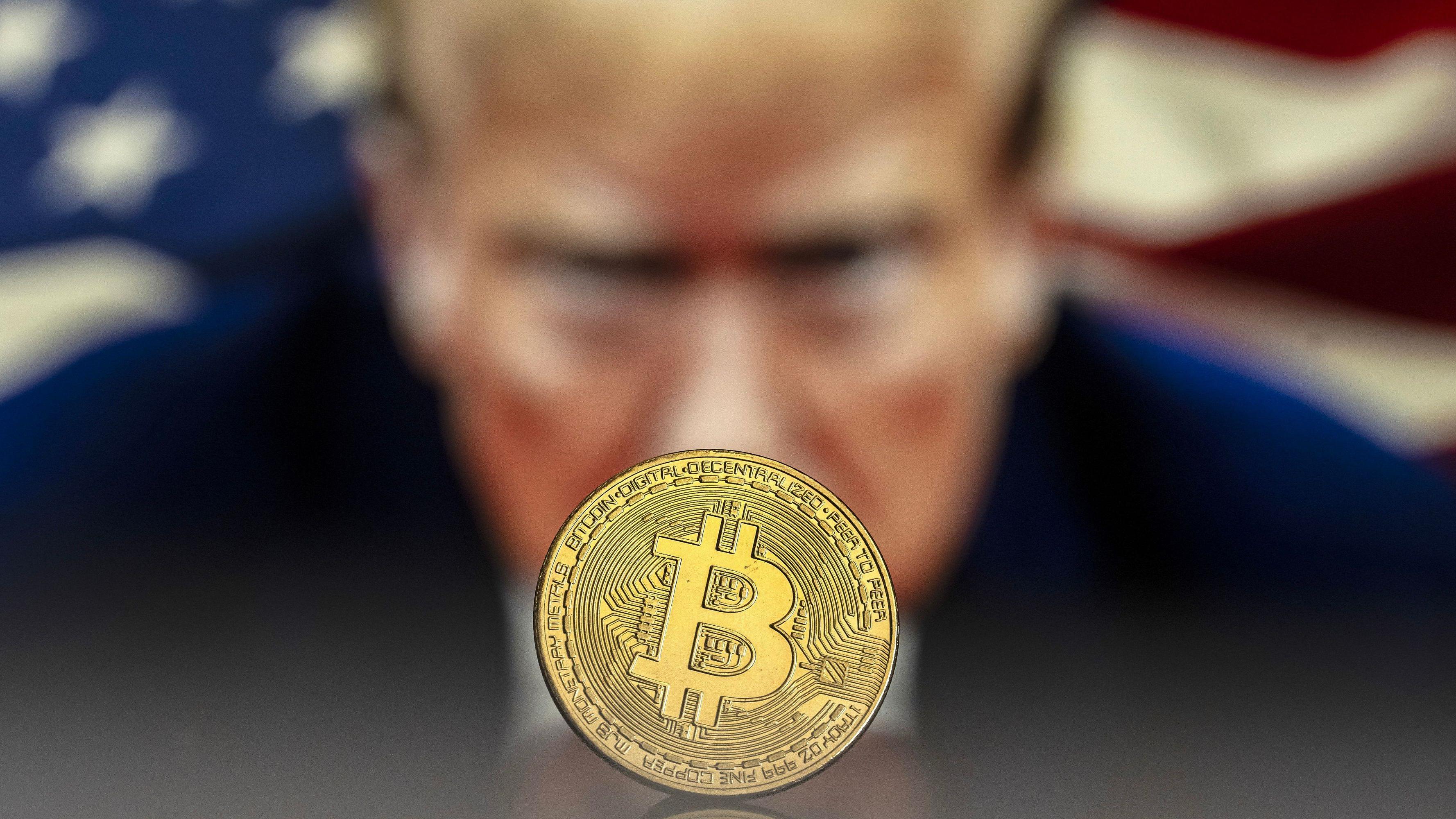
– Implications of Bitcoin’s Finite Supply on Market Dynamics
The finite supply of Bitcoin,capped at 2.1 quadrillion satoshis, creates a unique scarcity that has profound implications for market dynamics. This limited availability is a cornerstone of Bitcoin’s design, driving investor behavior and market expectations. As demand for Bitcoin rises due to increasing adoption, the constrained supply could lead to heightened competition among investors, potentially resulting in significant price volatility. The connection between scarcity and value is a well-documented economic principle that is playing out in real time, as newer entrants to the market seek to accumulate their share of the finite satoshis.
furthermore, the anticipation of rising valuations is likely to instigate a psychological phenomenon known as “FOMO,” or fear of missing out. As media discourse around Bitcoin grows and institutional interest intensifies, individual investors may rush to acquire Bitcoin before prices escalate beyond reach. This influx of investment can create cycles of irrational exuberance, where prices surge sharply, only to face corrections when the speculative bubble bursts. The finite nature of satoshis accentuates these fluctuations,as any significant uptick in demand can rapidly deplete available supply in the market.
In addition to short-term market fluctuations, the long-term implications of Bitcoin’s limited supply extend to its role as a store of value. Much like gold, Bitcoin’s scarcity can position it as a hedge against inflation, attracting those seeking to preserve wealth amidst economic uncertainty. This evolving perception has the potential to solidify Bitcoin’s status as a valuable asset class, influencing both retail and institutional investment strategies. Consequently, the interplay between a finite supply and market dynamics will continue to shape not only the future of Bitcoin but also the broader landscape of digital currencies.
– Strategies for Investors in a Limited Satoshi Environment
As the Bitcoin ecosystem matures, investors need to adapt their strategies to accommodate the finite nature of the 2.1 quadrillion satoshis. Understanding that this cap restricts the overall supply, investors should consider focusing on long-term holding over short-term trading. This approach not only counters the volatility often associated with cryptocurrencies but also positions investors to benefit from the potential increase in value as demand for the finite supply grows. Holding satoshis could ultimately serve as a hedge against inflation and economic downturns, as they are designed to retain value in an ever-changing financial landscape.
Another crucial strategy involves diversifying investments within the cryptocurrency space. Given the limited supply of satoshis, it is advisable to explore other digital assets that may complement Bitcoin. By investing in promising altcoins with solid fundamentals and existing use cases, investors can capture potential growth outside of the Bitcoin realm. This diversification not only spreads risk but also provides opportunities to capitalize on emerging trends and technologies that may redefine asset classes in the crypto universe.
Moreover, staying informed about regulatory developments and market trends is essential for anyone investing in a limited satoshi environment. Engaging with communities and resources that track Bitcoin’s performance and network advancements can offer valuable insights. Investors should remain vigilant about factors such as institutional adoption, technological upgrades (like the Lightning Network), and macroeconomic influences that could impact Bitcoin’s valuation. By continuously educating themselves and adjusting their strategies accordingly, investors can better navigate the challenges and opportunities presented by a capped supply of satoshis.
– The Future of Digital Currency: satoshis Beyond Bitcoin
the evolution of digital currencies has transcended Bitcoin, enticing various sectors to explore the potential of Satoshis as a unit of value. As the smallest divisible part of Bitcoin, every Satoshi represents a fragment of the 21 million BTC. This finite quantity introduces the concept of scarcity,and consequently,the notion that satoshis could be leveraged in diverse applications beyond mere investment. The future may see Satoshis integrated into everyday transactions, micro-payments, and even smart contracts, expanding their utility across different platforms and services.
as digital currencies gain traction, the 2.1 quadrillion limit of Satoshis will play a pivotal role in determining their functionality. With the world increasingly leaning towards digital solutions,satoshis could emerge as a standard for defining value in transactions across various industries,including e-commerce,gaming,and even charity. By understanding how these tiny units can effectively facilitate payments, businesses and users alike can benefit from a decentralized and efficient currency system. this could drastically reduce transaction fees and processing times compared to traditional financial institutions.
The implications of Satoshis extending beyond Bitcoin will also hinge on user education and technological advancements. To foster widespread adoption, developers need to create intuitive interfaces that demystify blockchain technology, making it accessible to the average consumer. Moreover, partnerships between cryptocurrency entities and established financial services could pave the way for innovative payment solutions. The continued evolution of digital currency will undoubtedly shape the future economic landscape, where Satoshis might become a foundational element of capital exchange, reshaping our understanding of money in the digital age.
As we delve deeper into the finite world of Satoshis, it becomes evident that the 2.1 quadrillion limit is not merely a number but a pivotal constraint that shapes the future of Bitcoin and, by extension, the cryptocurrency landscape. This cap, established by Bitcoin’s underlying protocol, serves as a double-edged sword-ensuring scarcity, which is vital for preserving value, while also challenging the network to innovate and adapt to an ever-growing demand.
As adoption of cryptocurrencies continues to rise globally, the ramifications of this finite supply will increasingly become a focal point for investors, developers, and policymakers alike. The dynamics of supply and demand will play a crucial role in determining how value is allocated across the digital currency ecosystem. Innovations such as layer-two solutions,microtransactions,and the emergence of new financial products may mitigate some of the challenges posed by this limit,potentially reshaping how users interact with digital currencies.
In the broader context, the call for broader monetary frameworks to accommodate and enhance the utility of Bitcoin cannot be understated. As stakeholders grapple with these constraints, the ongoing discourse will likely push the boundaries of what is absolutely possible in decentralized finance, ultimately redefining the role of Satoshis in our financial future. the journey ahead invites scrutiny and creativity, as the community collectively navigates the implications of a fixed supply in an ever-evolving digital economy.