
Nostr Protocol: An Academic Overview and Analysis
An academic overview of the Nostr protocol, evaluating its decentralized architecture, key management, messaging model, and the security, privacy, and censorship-resistance implications.

An academic overview of the Nostr protocol, evaluating its decentralized architecture, key management, messaging model, and the security, privacy, and censorship-resistance implications.

Nostr implements a minimal, relay-based messaging protocol anchored on public-key identities. This study evaluates its cryptographic guarantees, privacy trade-offs, decentralization limits, and censorship resistance.
This article analyzes Nostr’s decentralized architecture, cryptographic key management, and messaging protocols, assessing security guarantees, privacy trade-offs, and resilience against censorship.

This article defines the Nostr client architecture, detailing its decentralized relay model, cryptographic key management, and message encryption; it evaluates security trade-offs and proposes enhancements for privacy and resilience.
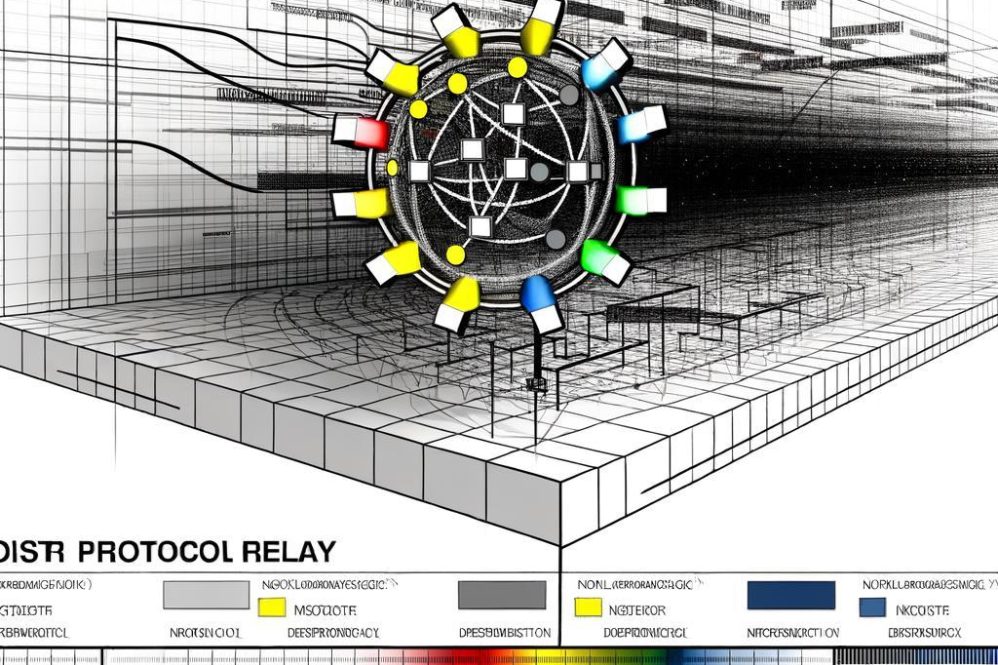
The Nostr relay is a network node that stores and forwards cryptographically signed events between clients. This component enables decentralized, real‑time distribution and subscription-based retrieval of messages.

The Nostr protocol client exemplifies a decentralized messaging model, analyzing its distributed relay architecture, cryptographic key management, and encryption practices to assess privacy and security trade-offs.

Examines Nostr’s decentralized relay model, public-key identity, and event relay protocol, assessing security guarantees, privacy trade-offs, and implications for censorship-resistant communication.

Signatur is a method of digital verification that binds identity, data and consent within communications and transactions. This overview clarifies how it works, its security uses, and privacy implications.
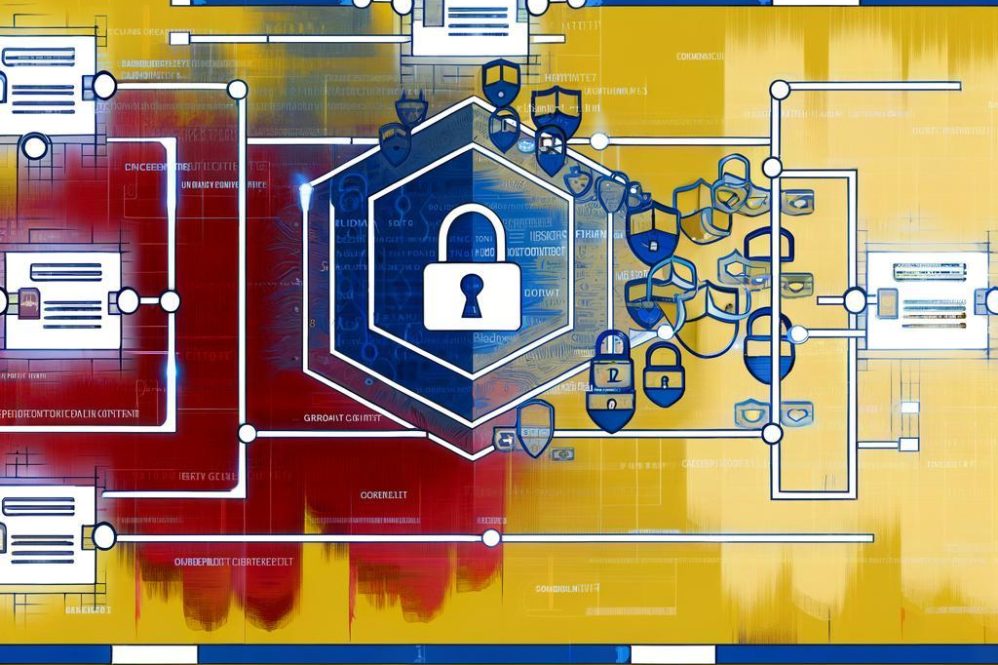
A Nostr protocol client implements a decentralized messaging architecture using cryptographic key pairs, relay-based data propagation, and optional end-to-end encryption; security hinges on key management, relay trust, and metadata privacy.
