

Recent years have seen unprecedented changes in the way money is exchanged across the globe. From traditional currency exchanged in banks to digital currencies such as Bitcoin, more options are available for those looking to move money. One way to get involved in the digital currency movement is to become involved in mining. Bitcoin mining is a classically designed process of gathering together and verifying sets of Bitcoin transactions, a process that rewards those involved with Bitcoin earnings. In this article, we will walk through the steps of how to mine Bitcoin step-by-step.
1. Introduction to Bitcoin Mining
Bitcoin mining is the process by which transactions are verified and added to the public ledger, known as the blockchain, and also the means through which new bitcoins are released. Mining involves adding bitcoin transaction data to Bitcoin’s global public ledger of past transactions. Each group of transactions is referred to as a block.
Mining rewards are paid to miners who do the work of verifying transactions and securing the network. The amount of mining reward varies depending on the computing power of the miner. Miners with more powerful and energy-efficient rigs tend to receive higher rewards.
To be successful at mining, a few things need to be kept in mind:
- Knowledge: Miners need to understand the fundamentals of how bitcoin mining works before taking the plunge.
- Hardware: A reliable hardware is a must for efficient mining. Miners need to invest in well-built hardware to reduce electricity costs.
- Software: Mining software should be updated regularly to ensure the highest returns for miners.

2. Step-by-Step Guide to Bitcoin Mining
Mining Bitcoin can seem complex and daunting but it is a relatively simple process. This step-by-step guide will show you the basics of mining Bitcoin.
1. Understand Bitcoin Mining Hardware
Every Bitcoin miner must have the appropriate hardware to get started. Common hardware used for Bitcoin mining include:
- Graphics Processing Unit (GPU)
- Application-Specific Integrated Circuit (ASIC)
- Field Programmable Gate Array (FPGA)
GPUs are the most versatile and commonly used form of mining hardware. ASICs and FPGAs are more efficient but are more restricted in their capability.
2. Download and Install Mining Software
Once you have the right hardware, the next step is to download and install the correct mining software. Popular software for miners include:
- CGMiner
- BFGMiner
- EasyMiner
The mining software will allow you to connect with the mining pool, and connect your hardware to the network.
3. Join a Mining Pool
Mining pools are collections of miners who join together in order to increase the chances of getting Bitcoins faster. Mining pools will give you a larger share of the rewards compared to mining on your own. Some of the more popular pools include:
- Antpool
- BTCC
- Slush Pool
After you have chosen your mining pool, you will need to create an account with the pool. This will provide you with instructions for connecting your hardware to the pool.
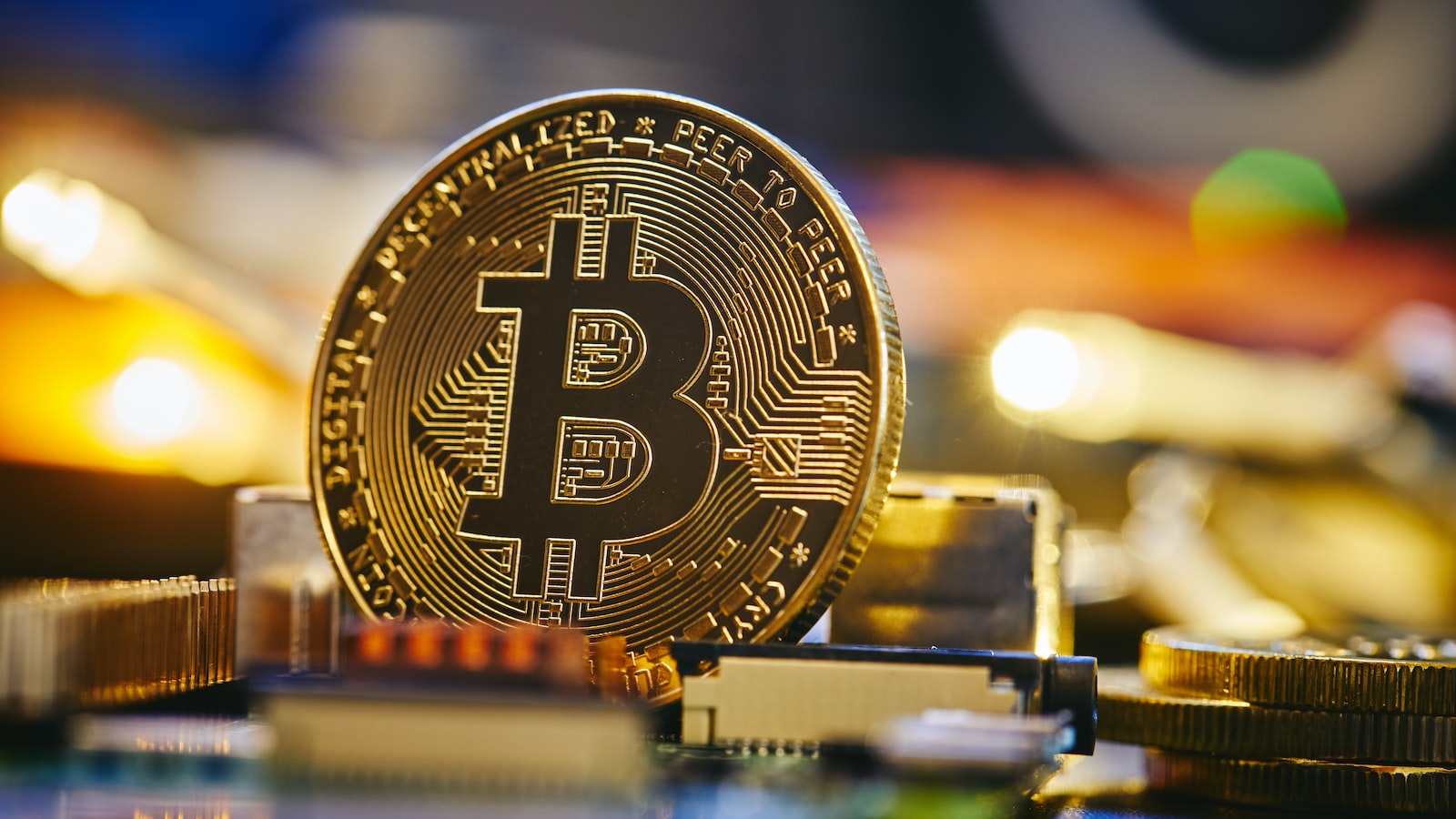
3. Advantages and Disadvantages of Bitcoin Mining
When it comes to Bitcoin mining, there are advantages and disadvantages that come with it. Here, we will review three of each to give you a better understanding of the process.
Advantages:
- It is a good way to earn some money: Even though there can be substantial startup costs for mining equipment, you can generate a steady stream of income over time by doing this.
- It is a decentralized process: With mining, you’re not relying on a central authority to process transactions or make sure that everything is secure. This is a function that miners handle.
- Your security is improved: By securing the cryptocurrency network, miners are actually helping to protect it against hackers and other malicious actors.
Disadvantages:
- Costs for equipment and electricity: This is one of the most expensive aspects of mining, and can be difficult to keep up with.
- Time and effort: Mining takes up a lot of time and effort, so it may not be suitable for those who are looking for a passive way to make money.
- Competition is high: The more miners join the network, the more difficult it will be to find a share of the rewards.
Overall, it’s important to consider both the before jumping into it. Do your research and make sure that it is something that you feel comfortable with.
4. Strategies for Successful Bitcoin Mining
Optimize Hardware
One of the most important is to optimize the hardware used in the process. This can be done by researching the best hardware and software available and ensuring that the miners are kept up-to-date and running optimally. It is also important to consider the energy costs associated with the hardware and look for ways to reduce it, such as through the use of specialized equipment.
Utilize Resources Wisely
Another key strategy for successful Bitcoin mining is for the miner to utilize resources wisely. This includes understanding the network difficulty and making sure that the miners are given adequate time to mine each block. Furthermore, understanding how to configure the miners to run at optimal performance is critical for extracting larger rewards from the network.
Hire Expertise
Finally, to ensure success in Bitcoin mining it is important to have access to knowledgeable experts who can help guide the miners in the best practices. A reliable team of experts can help to optimize the hardware, design algorithms for the miners, and monitor the performance of the network. By hiring expertise, miners can ensure that they are taking all the necessary measures to remain competitive in the ever-evolving cryptocurrency space.
Mining Bitcoin can be a complicated and intimidating process. However, users who understand the concepts behind mining and the process itself can benefit considerably from the added rewards and financial gains from successful mining. With a firm grasp of the steps involved, users can add Bitcoin to their portfolio and enjoy the rewards of successful mining.