

As the highly anticipated launch of FTX’s Solana-based token looms closer, some traders and investors in the Solana (SOL) cryptocurrency are concerned that a sale of the tokens by FTX on launch could cause a slump in prices of SOL. Despite the potential for this sell-off, some experts suggest that this is just speculation and that it is too soon to be worried. This article will explore the anticipation surrounding the token launch and the possible effects it might have on the SOL market.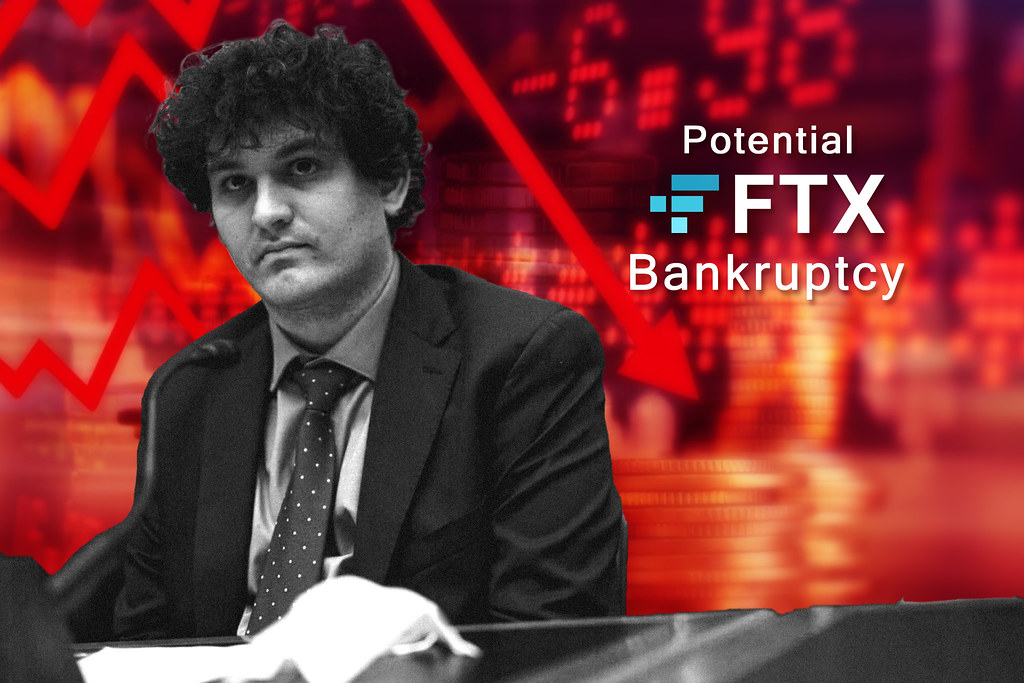
1. SOL Sell Pressure Anticipated as FTX Exchange Makes Poised Entry
FTX Exchange is making its entry in the cryptocurrency market with a flurry of prelaunch activities. Investors are speculating that this will cause a marked sell pressure on the SOL market, as the demand for psychological safety and custodial services on FTX will force investors to shift their capital.
- Trust in the System: The FTX platform is being launched with the aim of providing a secure environment for investors, with a comprehensive internal recess control system and secured multi-signature wallets.<
- Potential for Future Growth: FTX has the potential to grow the SOL trader base, opening up more opportunities for arbitrage and price discovery.
The demand for more secure exchanges is expected to drive SOL prices up, as investors seek the reassurance that their investments will be secure. This will create a temporary sell pressure as traders adjust their portfolios to accommodate the new venues, but the upside potential for SOL is expected to outweigh any short-term losses. This could spark a new wave of investment in SOL, and may result in the asset becoming a key player in the cryptocurrency market.
2. Analyzing the Effect of FTX on SOL Market Dynamics
Fluid Token Exchange (FTX) is rapidly becoming an essential part of the SOL marketplace, bringing new sources of liquidity and opening up new opportunities for traders and investors. But its impact on market dynamics is far from straightforward. As such, it’s important to understand the nature of this blockchain-based platform, its role in the SOL marketplace, and how it has changed the trading landscape.
A Fork in the Road
FTX’s introduction in February of 2019 led to a dramatic shift in trading activity, as the platform provided SOL traders with an alternative to the traditional trading options. Within weeks, it had a larger market share than all other players in the market combined, presenting a novel challenge for existing players. Furthermore, it allowed traders to access more than 100 different token pairs, adding an unprecedented level of liquidity.
This influx of global capital presented a fork in the road, as traders sought to capture value through different strategies. Traders utilizing traditional fiat-based trading models had to adapt quickly to survive in the newly transformed marketplace, while those leveraging digital assets saw opportunities for arbitrage and short-term trading.
Rarity of Regulation
The rapid rise of FTX also highlighted an increasingly common problem; the lack of uniform regulation across cryptocurrency markets. Without a unified regulatory framework, it is difficult for investors to assess the risk associated with digital asset trading, especially when it occurs on a decentralized platform such as FTX. This absence of oversight sets a dangerous precedent, making it difficult for investors to trust the marketplace.
Furthermore, the lack of uniform regulations can create market inefficiencies, and without legal enforcement, any attempts to open or close positions in the SOL marketplace are made with the knowledge that there is no unified enforcement mechanism in place.
The Bottom Line
The effect of FTX on the SOL marketplace has been profound, fundamentally altering the fundamental dynamics of the trading environment. This has presented both opportunities and challenges for traders and investors, and underscores the importance of understanding how the platform works and the regulations that apply to it. As the industry evolves, understanding the impact of FTX will become increasingly important.
3. How Can Traders Prepare for Increased Market Volatility?
Volatile markets typically require an experienced and prepared approach—as without the proper knowledge of markets, the risks can be greatly increased. Fortunately, there are a few steps traders can undertake to reduce their market risk when trading in the midst of market volatility.
Be Mindful of Your Trading Strategies
When trading in volatile markets a trader should carefully monitor their strategies and tactics. Ideally, the trader should consider pursuing strategies with a higher probability of success. These strategies may include short-term technical analysis, volatility-specific investments, and risk-reducing strategies. As an example, a risk-reducing strategy could be to reduce the amount of stocks in a portfolio while increasing the amount of diversification—hedging investment bet types to reduce any risk. Overall, the goal should be to stay flexible and prepared for the changes that may occur in the market.
Stay Up to Date on Market News
Traders in the market should constantly stay up-to-date on the fluctuations and news in the market. Depending on the type of stock traded, different sources for market news should be followed. For example, a trader who trades in commodities will need to receive different information than a trader who trades stocks. Reviewing the news can help traders stay educated while learning the market movement that will happen and how to prepare for it.
Build Your Risk Tolerance
Risk tolerance differs for each investor, so the level of risk each trader takes on may vary. Traders with low risk tolerance may miss out on potential trades, as the biggest gains come when a trader is willing to take on some risks. With that in mind, it’s beneficial for traders to build their risk tolerance to a certain degree. The trader can do this by exploring various trading styles and strategies and by tracking their progress of training and trading. Developing a solid understanding of the markets can also help traders to better interpret and predict market changes.
By following the above advice, traders can be better prepared for the volatility of market movements. It is important to remain vigilant when trading during periods of increased volatility, as this can be a risky time if the trader does not have the proper knowledge and strategies.
4. Is Premature Selling of SOL Counterproductive for Traders?
Selling SOL (SOL) too soon can be a major setback for traders who invest in this volatile digital asset. Knowing when to sell is one of the key questions traders should ask themselves before entering the market. Even the most experienced traders might find themselves confused about whether they should sell SOL too soon to take profits or hold onto it for the long-term. Here are some factors to consider before selling SOL in the short-term:
- Market Conditions: Before deciding to sell, traders should assess the current market trends to better understand the volatility of the SOL market. Long-term and short-term trends can help traders gain insights into the risk-reward ratio of selling SOL too soon.
- Trade Strategies: Traders should also consider their trade strategies. If they are trading in the short-term with the goal of quick profits, then selling SOL too soon might make sense, however long-term traders should not be making this decision without carefully considering the potential outcomes.
- Risk Tolerance: Lastly, traders should look at their own risk tolerance when deciding if selling SOL prematurely is a viable option. If the risk of short-term volatility outweighs the rewards of possible gains, then it may be wise to wait and monitor the markets before taking action.
Overall, there is no right or wrong answer for when to sell SOL. As with any investment, traders should consider their risk tolerance, market conditions, and strategies before deciding when to liquidate their SOL positions.
The coming weeks and months will give a clearer idea of how Solana’s inflationary emission levels affect the SOL token price. In the near-term, however, it appears that traders and holders may have to brace for the potential effects of increased selling pressure as a result of SOL’s listing on FTX.