

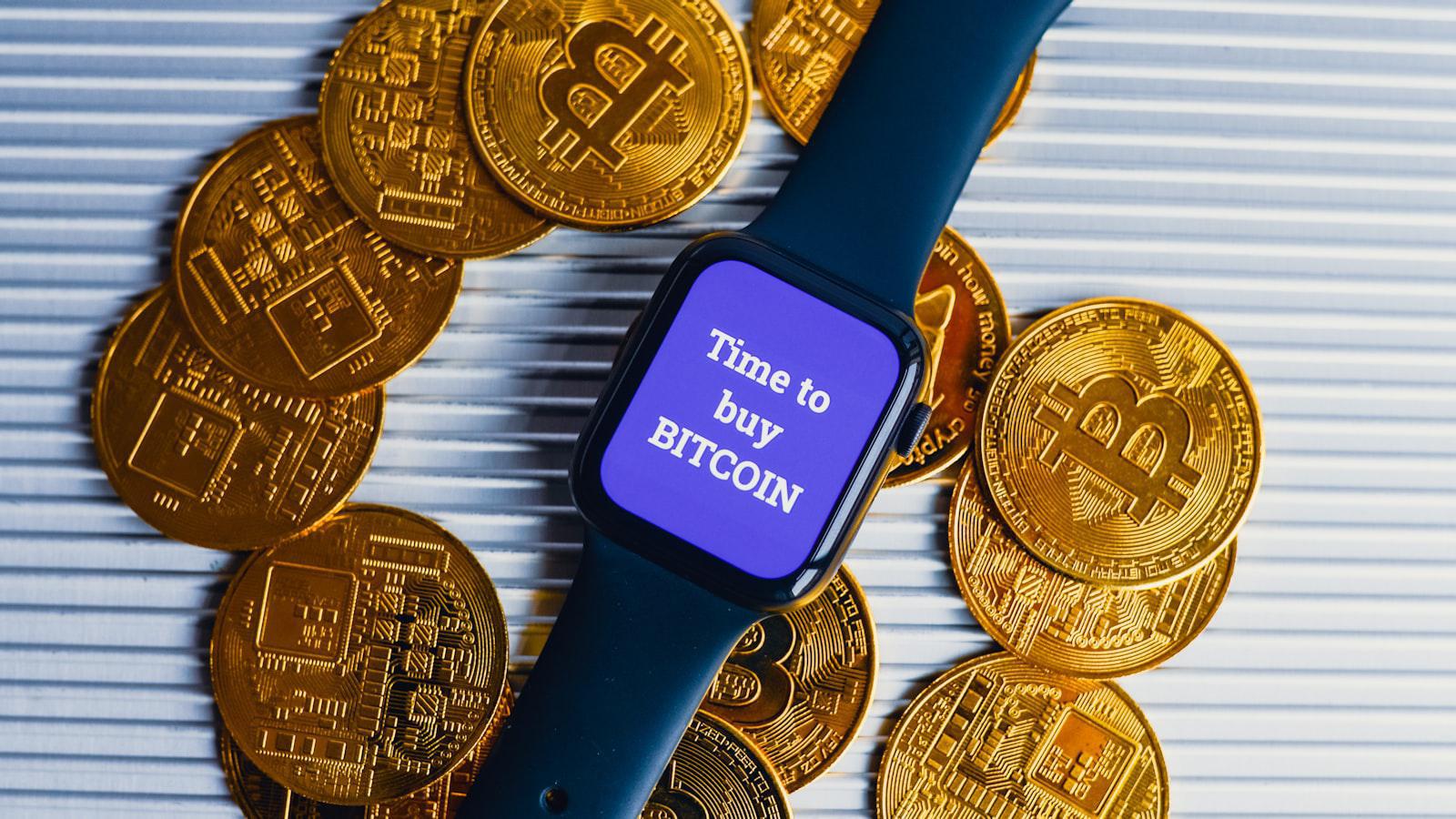
– What are the key security features to look for in a Bitcoin wallet to ensure the protection of digital assets?
**Secure Your Bitcoin with a Robust Wallet: Ensuring Accessibility and Seamless Functionality**
In the realm of digital assets, Bitcoin stands as a beacon of innovation and financial freedom. However, safeguarding your Bitcoin requires a secure and reliable wallet, one that seamlessly balances accessibility and functionality. This article delves into the anatomy of a robust Bitcoin wallet, exploring the essential elements that ensure the security, accessibility, and functionality of your digital assets.
Security: The Foundation of Trust
The security of your Bitcoin wallet is paramount. Look for wallets that employ robust encryption techniques, such as AES-256, to protect your private keys from unauthorized access. Multi-factor authentication (MFA) adds an extra layer of security, requiring multiple forms of verification before granting access to your wallet.
Consider the wallet’s architecture as well. Hierarchical Deterministic (HD) wallets generate a unique seed phrase from which all subsequent addresses are derived. This seed phrase acts as a master key, allowing you to recover your wallet even if your device is lost or stolen.
Accessibility: Convenience at Your Fingertips
Accessibility is crucial for seamless Bitcoin management. Choose wallets that offer a user-friendly interface, making it easy to send, receive, and track your transactions. Cross-platform compatibility ensures that you can access your wallet from any device, whether it’s a smartphone, tablet, or desktop computer.
Mobile wallets provide the ultimate convenience, allowing you to manage your Bitcoin on the go. Look for wallets with intuitive mobile apps that offer features such as QR code scanning for easy address entry and biometric authentication for added security.
Functionality: Beyond Basic Transactions
Modern Bitcoin wallets offer a range of advanced features that enhance functionality. Support for different transaction types, such as SegWit and Lightning Network, allows for faster and more cost-effective transactions. Integration with other blockchain networks enables you to manage multiple cryptocurrencies from a single wallet.
Smart contract interactions empower you to interact with decentralized applications (dApps) and execute complex transactions. Hardware integration, such as support for hardware wallets, provides an additional layer of security by storing your private keys offline.
Choosing the Right Wallet for You
The ideal Bitcoin wallet depends on your individual needs and risk tolerance. Consider the following factors:
-
Security: Prioritize wallets with robust encryption, MFA, and a secure architecture.
-
Accessibility: Choose wallets with user-friendly interfaces, cross-platform compatibility, and mobile app support.
-
Functionality: Determine the features you need, such as support for specific transaction types, blockchain integration, and smart contract interactions.
Conclusion
Securing your Bitcoin with a robust wallet is essential for protecting your digital assets. By carefully considering the security, accessibility, and functionality of different wallets, you can choose the one that best meets your requirements. Remember, the anatomy of a Bitcoin wallet is a delicate balance of these three elements, ensuring the safety, convenience, and functionality of your digital wealth.
The Anatomy of a Bitcoin Wallet: Security, Accessibility, and Functionality
Introduction
Bitcoin wallets are indispensable tools in the cryptocurrency ecosystem, providing secure storage and management of digital assets. This comprehensive analysis delves into the intricate interplay of security protocols, accessibility features, and functional capabilities that define various wallet types.
Security
Security is paramount in Bitcoin wallet design. Wallets employ robust encryption techniques, such as AES-256, to safeguard private keys and prevent unauthorized access. Multi-factor authentication adds an extra layer of protection, requiring users to provide multiple forms of verification before accessing their funds. Additionally, transaction confirmation mechanisms ensure that transactions are securely processed and recorded on the blockchain.
Accessibility
To foster widespread adoption, Bitcoin wallets prioritize accessibility. User interfaces are designed to be intuitive and user-friendly, enabling both experienced and novice users to navigate seamlessly. Wallets are available across multiple platforms and devices, allowing users to access their funds from anywhere. Accessibility features, such as QR code support and voice control, cater to diverse user preferences.
Functionality
Bitcoin wallets offer a range of functionalities to empower users with convenient and versatile fund management options. Basic functionalities include sending, receiving, and storing BTC. Advanced wallets provide additional features, such as transaction history tracking, address book management, and exchange integration. Some wallets also support advanced capabilities, such as transaction fee customization and hardware wallet integration, providing users with enhanced control and flexibility.
Secure Storage Mechanisms and Privacy Protection
Web3-centric pitch competitions require rigorous mechanisms to protect sensitive investor data. Proof of Pitch utilizes decentralized data management through IPFS and robust encryption algorithms to ensure data confidentiality and prevent unauthorized access.
Usability and Accessibility Considerations
User experience is crucial in platform design. Proof of Pitch prioritizes usability with an intuitive interface, accessibility features, and context-sensitive help. By reducing cognitive load and providing clear documentation, the platform empowers a diverse range of users.
Conclusion
The anatomy of a Bitcoin wallet encompasses a complex interplay of security, accessibility, and functionality. Understanding these aspects enables users to make informed decisions in selecting and managing their digital wallets. As the Bitcoin ecosystem evolves, innovative and secure wallet solutions will continue to drive adoption and enhance the user experience. Collaboration among academia, industry, and regulatory bodies is essential to address emerging challenges and advancements in Bitcoin wallet development.