

In a groundbreaking development, the Securities and Exchange Commission (SEC) has reached a settlement with a prominent trading firm concerning a substantial $4 million ‘AI-washing’ scheme. This unprecedented agreement sheds light on the intricate intersection of artificial intelligence and financial markets, raising crucial questions about transparency, accountability, and compliance within the trading industry. Join us as we delve into the details of this landmark case and explore the implications of the SEC’s actions in the realm of algorithmic trading.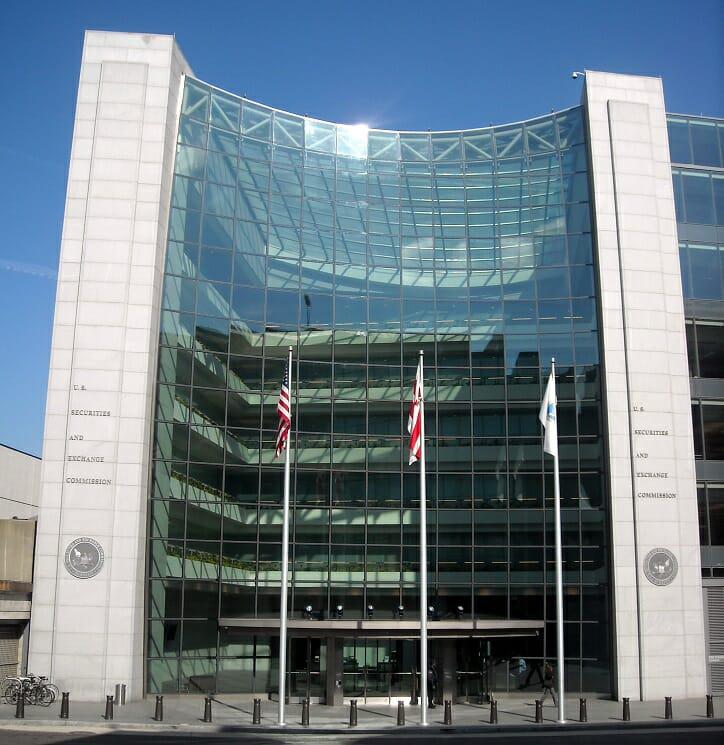
Securities and Exchange Commission Resolves Case with Trading Firm Involving $4M AI-Washing Scheme
The Securities and Exchange Commission (SEC) recently reached a resolution with a trading firm regarding a significant $4 million AI-washing scheme. The case sheds light on deceptive practices within the trading industry and underscores the importance of regulatory oversight in safeguarding investors’ interests.
The SEC’s investigation revealed that the trading firm engaged in misleading activities by falsely attributing its trading strategy’s success to artificial intelligence (AI) technology. This deceptive practice, known as AI-washing, involved misrepresenting the role of AI in generating profits to attract investors.
As part of the resolution, the trading firm agreed to pay a hefty penalty of $4 million to settle the charges brought by the SEC. This substantial fine serves as a stark reminder of the consequences of engaging in fraudulent behavior and misrepresentation within the financial sector.
The case highlights the SEC’s commitment to maintaining transparency and integrity in the securities market. By holding the trading firm accountable for its deceptive practices, the SEC sends a strong message that regulatory authorities are vigilant in enforcing compliance and upholding the principles of fair and honest trading practices.
Uncovering the SEC Settlement: Trading Firm Accused of AI Misrepresentation
In a recent development that raised eyebrows in the financial world, a prominent trading firm found itself entangled in a legal dispute with the Securities and Exchange Commission (SEC) over alleged AI misrepresentation. The firm, known for its cutting-edge technology and AI-powered trading strategies, faced accusations of misleading investors and stakeholders through misrepresented AI capabilities.
As the SEC’s investigation delved deeper into the firm’s practices, unsettling revelations came to light. The trading firm was accused of exaggerating the effectiveness and accuracy of its AI algorithms, leading to potential market distortions and unfair advantages in trading activities. This misconduct not only tarnished the firm’s reputation but also raised concerns about the ethical use of AI in the financial sector.
The repercussions of this SEC settlement reverberated across the industry, triggering discussions about the need for transparency and accountability in AI-driven financial services. Market analysts and experts emphasized the importance of regulatory oversight to prevent similar incidents and maintain the integrity of financial markets. The case served as a cautionary tale for companies leveraging AI technologies, underscoring the critical role of ethics and compliance in the era of advanced algorithms and automation.
As the trading firm grappled with the fallout of the SEC settlement, stakeholders and the broader financial community pondered the implications of AI misrepresentation on market dynamics and investor confidence. The incident underscored the complexities and challenges of implementing AI in trading strategies responsibly and ethically. Moving forward, the case served as a wake-up call for industry players to uphold ethical standards and ensure transparency in the deployment of AI technologies to protect investors and maintain market integrity.
The Inside Story: SECs Agreement with Trading Company Over $4M AI Disguise Scandal
In a groundbreaking development, the U.S. Securities and Exchange Commission (SEC) has reached a pivotal agreement with a prominent trading company surrounding a staggering $4 million scandal involving artificial intelligence (AI) disguise tactics. The intricacies and implications of this agreement shed light on the evolving landscape of financial market regulations and the challenges posed by sophisticated technological innovations.
The agreement marks a significant step in holding entities accountable for deceptive practices that utilize advanced AI algorithms to manipulate trading activities. The SEC’s proactive stance underscores the crucial need for robust oversight and enforcement measures to safeguard market integrity and investor trust. This high-profile case serves as a stark reminder of the growing intersection between technology and financial compliance, highlighting the urgent necessity for regulatory frameworks to adapt to the complexities of AI-driven strategies.
Key insights from the agreement reveal the meticulous investigation carried out by regulatory authorities to uncover the elaborate web of AI-driven schemes employed by the trading company. The meticulous documentation of deceptive practices and their far-reaching consequences underscores the critical role of regulatory scrutiny in deterring fraudulent activities within the financial sector. The collaborative effort between the SEC and the trading company sets a precedent for transparency and accountability in addressing emerging challenges posed by AI-based market manipulation tactics.
As the repercussions of the $4 million AI disguise scandal reverberate across the financial landscape, stakeholders and industry experts closely monitor the lasting effects of this landmark agreement. The interplay between technology, regulation, and ethical conduct underscores the imperative for continuous vigilance and adaptive regulatory frameworks to mitigate the risks associated with sophisticated AI strategies in financial markets. This pivotal moment underscores the ongoing dialogue between regulatory authorities and market participants to uphold the integrity and transparency of the financial ecosystem.
Delving into Deceptive Practices: SEC Concludes Investigation on Trading Firms Alleged AI-Washing Strategy
In a recent development, the Securities and Exchange Commission (SEC) has wrapped up its extensive investigation into trading firms suspected of engaging in deceptive practices, particularly what has been termed as “AI-washing.” This strategy involves the misleading portrayal of artificial intelligence (AI) capabilities to attract investors and gain a competitive edge in the market.
The SEC’s investigation shed light on the prevalence of deceptive practices within the trading industry, raising concerns about transparency and integrity. Trading firms deploying AI-washing tactics may present AI algorithms as more sophisticated and autonomous than they truly are, giving a false impression of technological prowess and predictive accuracy.
The conclusion of the SEC’s probe marks a significant milestone in the ongoing efforts to combat deceptive practices and protect investors from misleading claims and market manipulation. By addressing the issue of AI-washing head-on, regulatory authorities aim to uphold the integrity of the financial markets and ensure fair and honest dealings among trading firms.
Moving forward, increased scrutiny and regulatory oversight are expected to play a crucial role in curbing deceptive practices and promoting greater transparency and accountability within the trading industry. As the repercussions of AI-washing continue to be scrutinized, the enforcement actions taken by the SEC signal a firm stance against misconduct and misrepresentation in the financial sector.
In the wake of the recent settlement between the SEC and a trading firm regarding a $4M ‘AI-washing’ scheme, the repercussions of such deceptive practices reverberate throughout the financial landscape. As regulatory bodies continue to scrutinize unethical behavior in the realm of artificial intelligence and trading, it serves as a stark reminder of the importance of transparency and integrity within the industry. The resolution of this case underscores the significance of maintaining ethical standards and accountability, ensuring a fair and trustworthy environment for all participants. Stay informed as we navigate the evolving intersection of technology and finance, where adherence to regulatory guidelines remains paramount in safeguarding the integrity of the markets.