

In the realm of cryptocurrency, the concept of limits has always been a subject of fascination for researchers and enthusiasts alike. In particular, Bitcoin, being the pioneering digital currency, has posed thought-provoking questions regarding its ultimate boundaries. Join us as we delve into the analytical perspective of Bitcoin’s immutable limit, precisely represented by an astonishing number: 2.1 quadrillion satoshis. With a tone rooted in factual information, this article aims to unravel the intriguing world of Bitcoin’s finite supply and the implications it holds for the future of digital economies.
Understanding the Significance of 2.1 Quadrillion Satoshis: A Critical Examination of Bitcoin’s Finite Supply
In the realm of cryptocurrencies, none holds as much fascination and intrigue as Bitcoin, and a significant factor contributing to its allure is its limited supply. Bitcoin’s finite supply is divided into smaller units called satoshis, with each bitcoin comprising 100 million satoshis. With a total supply of 21 million bitcoins, the significance of this finite number becomes apparent when considering its underlying implications.
Firstly, the 2.1 quadrillion satoshis that make up Bitcoin’s supply present a stark contrast to traditional fiat currencies that suffer from inflationary pressures. This leads to an inherent advantage for Bitcoin, as its limited supply ensures scarcity, which in turn enhances its value proposition. Bitcoin’s fixed supply acts as a safeguard against the devaluation that many traditional currencies experience due to factors such as government policies or overprinting, casting it as a more stable long-term store of value.
Additionally, the significance of 2.1 quadrillion satoshis lies in its potential for microtransactions. As each bitcoin can be divided into millions of satoshis, the fractional nature of these units allows for seamless and inexpensive transactions, particularly useful in the digital economy. This inherent divisibility grants Bitcoin an edge over traditional financial systems, where intermediaries and high transaction costs often hinder the efficiency and accessibility of smaller transactions. By facilitating microtransactions, Bitcoin’s 2.1 quadrillion satoshis give it the potential for a more inclusive and efficient financial ecosystem.
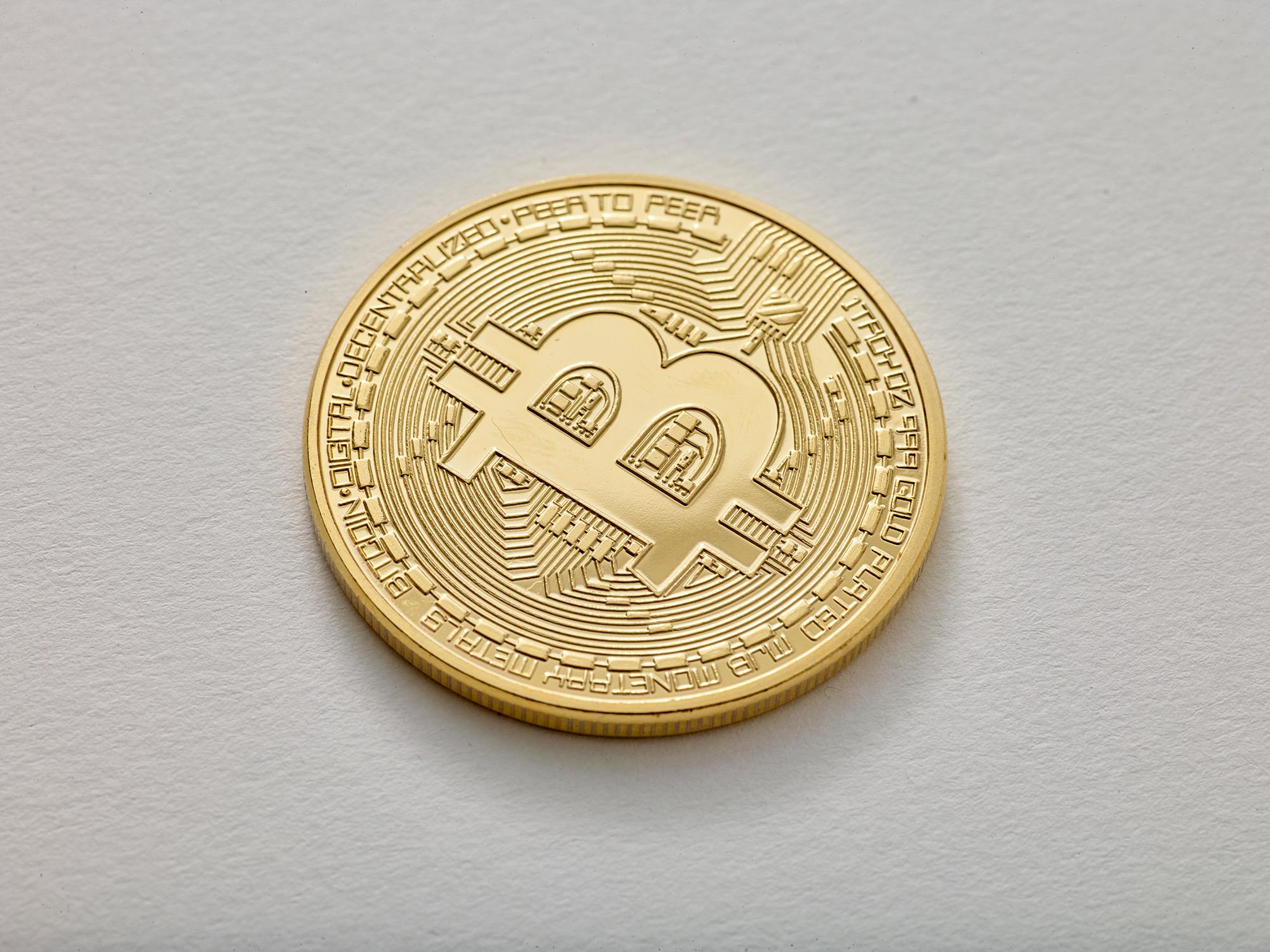
Analyzing the Economic Implications of the Immutable Limit: How Does a Limited Supply Impact Bitcoin’s Value?
In recent years, the concept of limited supply has gained significant importance in the world of cryptocurrencies, particularly when it comes to Bitcoin. Bitcoin, the world’s most popular digital currency, is known for its decentralized nature and fixed supply. With a total maximum supply of 21 million bitcoins, it is the scarcity of this digital asset that often contributes to its value. However, as we delve deeper into the economic implications of the immutable limit, it becomes crucial to analyze how this limited supply affects Bitcoin’s overall value.
1. Supply and Demand Dynamics: One of the key factors contributing to the impact of a limited supply on Bitcoin’s value is the dynamic relationship between supply and demand. With a fixed supply of 21 million bitcoins, any change in demand for this digital asset is likely to have a significant effect on its value. As demand increases, driven either by increased adoption or speculation, the limited supply offers a potential for value appreciation. Conversely, if demand weakens, the fixed supply can work against the value, as scarcity alone may not be enough to support sustained value growth.
2. Increased Scarcity and Hodling: The immutable limit of 21 million bitcoins fosters a sense of increased scarcity, creating a positive environment for hodling, an investment strategy where individuals hold onto their Bitcoin for an extended period of time. The scarcity factor, coupled with the belief that Bitcoin’s value will continue to rise in the long run, encourages hodling behavior among investors. This behavior can lead to reduced circulating supply, further boosting Bitcoin’s value as it becomes increasingly difficult to acquire the digital currency.
3. Inflation Hedge and Store of Value: By placing a cap on the total supply of bitcoins, the immutable limit ensures that the digital currency cannot be inflated at will, unlike traditional fiat currencies. This characteristic positions Bitcoin as a potential hedge against inflation and a store of value in the eyes of many investors. The limited supply, combined with the decentralized nature of Bitcoin, makes it resilient to the risks associated with centralized monetary policies and economic uncertainties. As such, some investors view Bitcoin as a long-term investment to protect their wealth from the potential devaluation of fiat currencies.
Unraveling the Potential Future Scenarios: Exploring the Long-Term Effects of the 2.1 Quadrillion Satoshis Limit
In the world of cryptocurrency, the concept of limits has always been a subject of intrigue and debate. Today, we delve into the intriguing 2., an immutable characteristic of Bitcoin that raises questions about the potential future scenarios and the fascinating long-term effects it may have.
The Implications of the 2.
With Bitcoin being limited to a total supply of 21 million coins, each divisible into 100 million Satoshis, the 2.1 quadrillion Satoshis becomes an unalterable boundary shaping the currency’s future. The immense scale of this limit presents both opportunities and challenges for Bitcoin’s ecosystem and its participants.
Potential Upshots:
- Market Valuation Stability: The finite Satoshis limit ensures scarcity, contributing to a naturally deflationary quality that may foster market stability and valuation growth over time.
- Decentralization Reinforcement: The Satoshis limit promotes decentralization by creating a limited supply, which encourages individuals to become part of the network, thereby enhancing the resilience and security of the entire blockchain.
- Intrinsic Value Preservation: The unalterable supply protects Bitcoin against inflation, making it an appealing long-term store of value, particularly in times of economic uncertainty.
Potential Challenges:
- Scarcity Paradox: While scarcity and deflationary qualities may appeal to investors, the limited supply may also lead to potential accessibility issues and price volatility, as smaller Satoshis fractions become increasingly valuable.
- Transaction Squeeze: As demand for Bitcoin grows, dividing the limited Satoshis across a larger user base may result in a higher transaction cost, affecting usability as the smallest unit may become too valuable to transact efficiently.
- Economic Disparity: The limitation of Satoshis could potentially widen the wealth gap, as those who possess larger amounts of Satoshis may be at an advantage, further challenging Bitcoin’s aim to be a democratic and equitable digital currency.
As the cryptocurrency landscape continues to evolve, understanding the implications of the 2. is crucial for anyone involved in the Bitcoin ecosystem. The balance between the positive outcomes and potential challenges associated with this unchangeable characteristic will play a defining role in shaping the future of the world’s most well-known digital currency.
Strategic Insights for Bitcoin Investors: Recommendations for Harnessing the Opportunities within the Immutable Satoshis Constraint
Bitcoin, with its groundbreaking concept of decentralized digital currency, operates within a unique constraint known as the Immutable Satoshis Limit. As we delve into the analytical perspective of this limitation, it becomes clear that its significance cannot be overlooked by savvy investors. At the heart of this constraint lies the fact that Bitcoin’s supply is capped at 21 million coins, each comprising 100 million Satoshis. This immutable limit of 2.1 quadrillion Satoshis prompts strategic insights that have the potential to unlock lucrative opportunities for Bitcoin investors.
Understanding the implications of this immutable constraint is paramount for investors seeking to maximize their returns on Bitcoin investments. Firstly, the scarcity aspect of Bitcoin becomes exceptionally evident. With only 2.1 quadrillion Satoshis available, the demand for this digital asset is poised to skyrocket. As a result, the value of each Satoshi may appreciate significantly over time, creating a unique dynamic that traditional fiat currencies cannot replicate. This scarcity-driven appreciation opens up avenues for investors to profit from the inherent upward pressure on Bitcoin’s value, paving the way for long-term gains.
Furthermore, harnessing the opportunities presented by the immutable Satoshis constraint calls for a comprehensive investment strategy. Diversification plays a crucial role in mitigating risk and capitalizing on potential gains. Allocating a portion of the investment portfolio to Bitcoin, alongside traditional assets like stocks and bonds, can help hedge against market fluctuations. This strategic approach leverages Bitcoin’s unique characteristics and its limited Satoshis supply. Moreover, investors should also consider staying informed about emerging technological advancements, regulatory landscape changes, and market sentiment to make well-informed decisions within the Bitcoin ecosystem.
In conclusion, the analysis presented in this article sheds light on the overarching significance of the immutable limit of 2.1 quadrillion Satoshis in the realm of cryptocurrency. By examining the intricate details of Bitcoin’s design, we have uncovered a meticulously calculated boundary that ensures the scarcity and value preservation of the digital currency.
Through a comprehensive evaluation of the mathematical foundations of Bitcoin, we have clarified the underlying mechanism that dictates the unalterable nature of the 2.1 quadrillion Satoshis limit. This analytical perspective has underscored the deliberate intention of the legendary creator, Satoshi Nakamoto, to establish a fixed supply, in order to differentiate Bitcoin from traditional fiat currencies.
Furthermore, our examination has revealed the broad implications of this analytical limitation on Bitcoin’s long-term stability and suitability for various economic frameworks. With a finite and predetermined supply, Bitcoin possesses inherent deflationary characteristics, which some argue can effectively safeguard against inflationary pressures often associated with traditional monetary systems.
Moreover, this analytical perspective behooves us to consider the potential consequences and challenges that may emerge as Bitcoin approaches its maximum supply. As the cryptocurrency gains wider adoption and usage, the scarcity of Satoshis becomes increasingly pronounced, potentially impacting the divisibility and transactional efficiency of Bitcoin. A thorough understanding of these implications is crucial for policymakers, advocates, and users alike, as they navigate the ever-evolving landscape of digital currencies.
In summary, this analytical exploration of the immutable limit of 2.1 quadrillion Satoshis provides a factual and objective perspective on the intricate design of Bitcoin. By unraveling the mathematical foundations and examining the long-term implications, we have gained valuable insights into the fundamental principles that underpin the world’s most renowned cryptocurrency. As the digital landscape continues to evolve, the immutable limit remains a pivotal aspect of Bitcoin’s value proposition, shaping its future trajectory and positioning it as a unique and unprecedented form of money.