

Introduction
The Satoshi supply limit, a crucial parameter inherent to Bitcoin’s design, represents the maximum number of Bitcoins that can ever be created. This immutable cap plays a pivotal role in ensuring the security and integrity of the Bitcoin network. This article aims to delve into the concept of the Satoshi supply limit, examining how it influences the security mechanisms underpinning Bitcoin and exploring its far-reaching implications for the long-term viability of the network.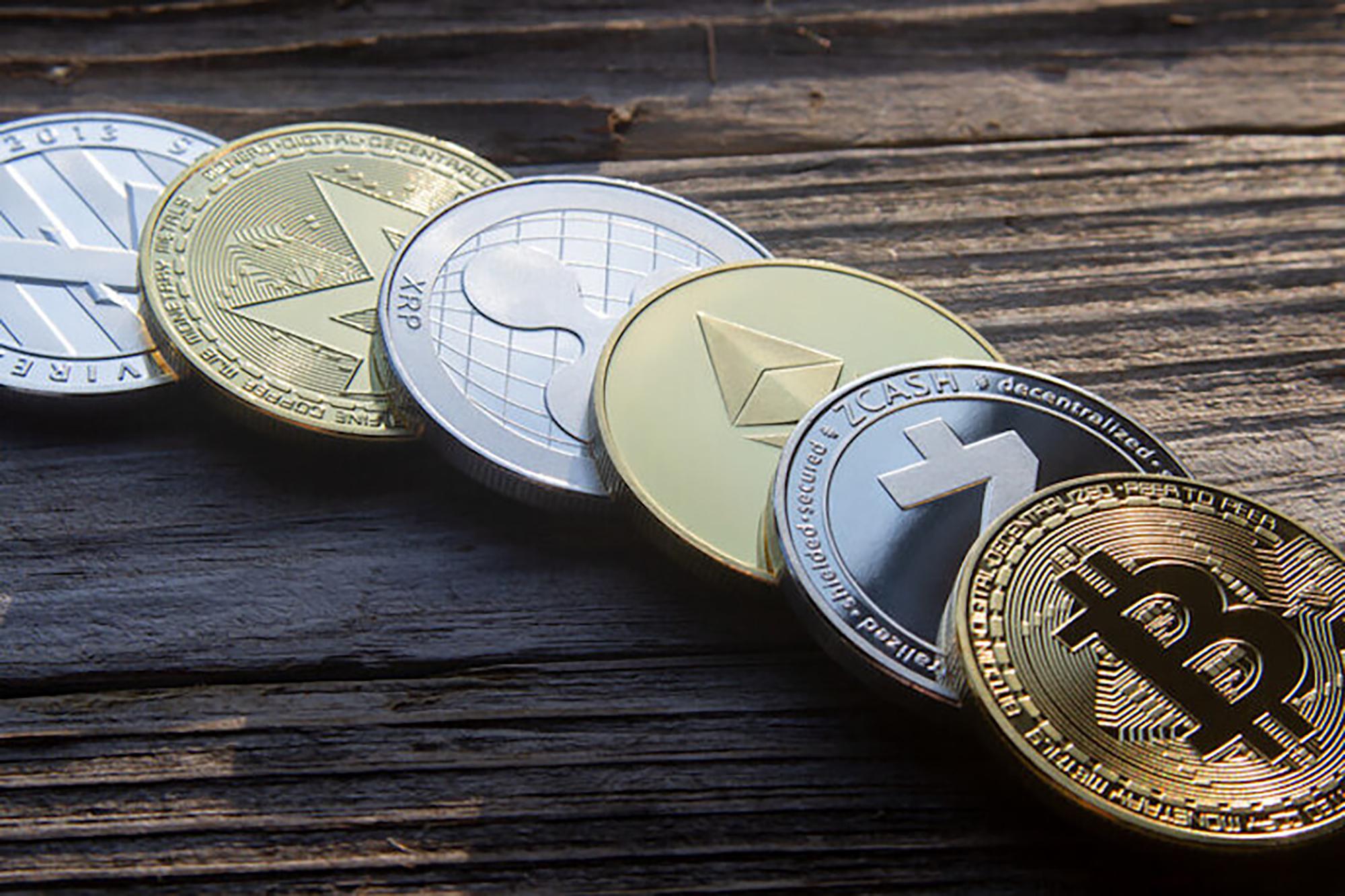
– Examination of the Satoshi Supply Limit’s Role in Ensuring Bitcoin Security
Examination of the Satoshi Supply Limit’s Role in Ensuring Bitcoin Security
The immutable cap of 21 million bitcoins plays multiple pivotal roles in reinforcing the security of the Bitcoin network. Firstly, the limited supply creates economic scarcity, incentivizing miners to secure the network due to the potential for future price appreciation. The finite supply also acts as a disinflationary mechanism, ensuring a steady increase in bitcoin’s purchasing power over time. This encourages long-term holding, which further enhances network stability.
Additionally, the Satoshi supply limit eliminates the potential for inflationary attacks, which could undermine the value of Bitcoin. As the supply is predetermined and cannot be altered, malicious actors cannot dilute the currency’s scarcity. This precludes exploitative behavior and provides confidence to investors that their holdings will not be devalued through excessive issuance.
Furthermore, the fixed supply limit acts as a self-sustaining deterrent against 51% attacks. The significant economic incentives for miners to maintain the network’s integrity and the high cost of controlling a majority of the hashrate create a strong economic moat. Attackers would face not only the substantial financial burden of acquiring the necessary computational power but also the risk of losing their investment in the event of a successful counterattack by honest miners.
– Impact of the Finite Supply on Long-Term Value Retention and Stability
- The finite supply of Bitcoin enforces scarcity, a key determinant of long-term value retention. Similar to precious metals like gold, the scarcity of Bitcoin prevents inflation and devaluation over time, making it a deflationary asset. As demand for Bitcoin grows, its scarcity becomes more pronounced, driving its price higher.
-
The limited supply also enhances stability in the long term. Unlike fiat currencies, which can be subject to arbitrary monetary expansion or devaluation by central authorities, Bitcoin’s finite supply provides a clear and predictable framework for its issuance and circulation. This reduces uncertainty and speculation, creating a more stable environment for investors and users.
-
Furthermore, the finite supply fosters a self-regulating market. As the number of Bitcoins in circulation approaches the limit, miners have to compete more intensely for block rewards, which pushes the transaction fees higher. These higher transaction fees provide incentives for miners to continue securing the network, ensuring its long-term viability and stability.
– Implications for Bitcoin’s Inflationary Dynamics and Investment Dynamics
The limited supply of Bitcoin has both inflationary and deflationary implications. On the one hand, the scarcity of Bitcoin relative to global economic growth could lead to inflationary pressure in the long term. As the demand for Bitcoin increases, the price will tend to rise, even if the overall economic growth rate is low. This could make Bitcoin a valuable hedge against inflation over long horizons.
On the other hand, the finite supply of Bitcoin also introduces deflationary dynamics into the system. As the supply nears exhaustion, the rate of new issuance will fall, reducing the downward pressure on Bitcoin prices. This is in contrast to traditional fiat currencies, which can be inflated indefinitely by central banks. As such, Bitcoin’s fixed supply provides a natural constraint on monetary inflation.
The implications for Bitcoin’s investment dynamics are complex. The limited supply of Bitcoin boosts the scarcity premium, providing upward pressure on prices. However, the cyclical nature of Bitcoin’s price movements also introduces volatility and uncertainty. This combination of factors makes Bitcoin a volatile but potentially rewarding investment, best suited for investors who have a high risk tolerance.
– Recommendations for Leveraging the Supply Limit for Enhanced Security Measures
– Vulnerability Due to High Concentration of Wealth: The skewed distribution of Bitcoin could give rise to the accumulation of a substantial proportion of the supply by a small group of individuals. This concentration of wealth could potentially increase the risk of manipulation and control over the network. Implementing a supply limit is essential to disperse the coins among a larger group of holders, thus mitigating the impact and influence of major stakeholders.
-
Security Through Difficulty Adjustment: The rate of Bitcoin block production is linked to the number of miners actively participating in the network. A constrained supply leads to increased competition for mining rewards, consequently elevating the difficulty level of solving complex mathematical puzzles. This heightened difficulty enhances the security of the network by making it more demanding and computationally intensive to attack or compromise the blockchain.
-
Enhanced Network Resilience: A predetermined supply limit plays a pivotal role in bolstering the network’s resilience, making it more difficult for an adversary to disrupt or manipulate transactions. Furthermore, the finite nature of Bitcoin ensures that there will be a natural cap on the issuance of new coins, effectively preventing inflation and diminishing concerns about its debasement. This instills confidence among users, promoting the widespread adoption and integration of Bitcoin as a reliable and secure asset.
In conclusion, the Satoshi supply limit is a fundamental design feature of Bitcoin that has significant implications for its security. By limiting the total number of Bitcoins that can ever be created, the supply cap ensures that Bitcoin remains a scarce asset, which in turn helps to maintain its value. Furthermore, the supply cap creates a monetary policy that is both predictable and transparent, which adds to Bitcoin’s appeal as a store of value. As the Bitcoin network continues to grow and mature, the Satoshi supply limit is likely to play an increasingly important role in ensuring its long-term security and stability.