

Sam Bankman-Fried, the founder of cryptocurrency derivatives exchange FTX, has piqued the attention of the judge in a civil trial he is participating in after launching a unique and potentially dangerous defense strategy. The Silicon Valley mogul has been accused of securities fraud and money laundering to the tune of more than $607 million. In the trial, Bankman-Fried is insisting he has immunity as a regulator, a claim the judge seemed both surprised and concerned about. Now, the court is left to decide if Bankman-Fried’s intriguing argument will stand or be rejected.
- 1. Sam Bankman-Fried’s Trial Attracts Judge’s Interest
- 2. FTX Founder’s Controversial Defense Attacks Draw Judge’s Ire
- 3. Bankman-Fried’s Strategies Test Judicial Patience
- 4. What’s Next in Bankman-Fried’s Fight Against Prosecution?
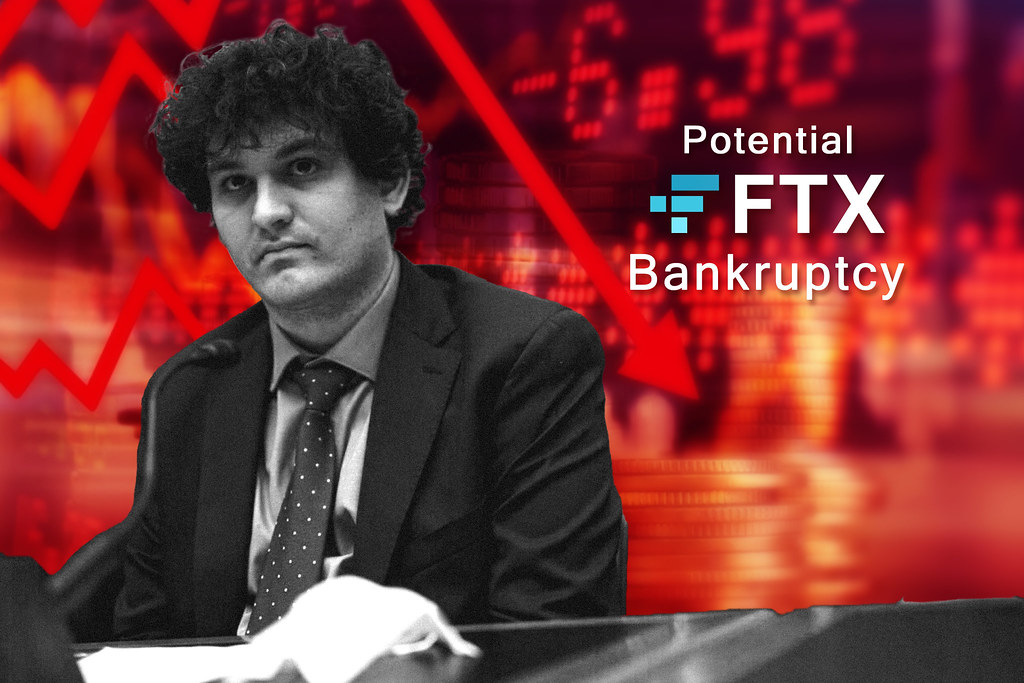
1. Sam Bankman-Fried’s Trial Attracts Judge’s Interest
Cryptocurrency mogul Sam Bankman-Fried’s trial is gaining traction with a judge recently announcing his intent to consider taking a closer look at the case. Sentencing for the case is set for 2021, but rulings and decisions are expected to be delivered over the course of the next few months.
The charges against Bankman-Fried are wide-ranging, having grown from initial accusations of suspected insider trading to include breach of trust and fraud. The court was particularly taken with the testimony given by Roger Smith, an employee at one of Bankman-Fried’s software companies.
What makes this case so interesting is that it is setting precedents in both the cryptocurrency and business communities. Though the legal implications are serious, the case also holds important underlying lessons for industry leaders that will have ripple effects across both worlds. Among these lessons are:
- Increased efforts to protect employees and their work product.
- More stringent regulations when it comes to insider information.
- An increased focus on integrity when brokering deals and trading.
2. FTX Founder’s Controversial Defense Attacks Draw Judge’s Ire
The founder of FTX has been facing a difficult legal battle with a federal judge over his company’s controversial defense tactics. The judge expressed his ire yesterday when the founder tried to defend his business actions.
It started when the founder argued that his company had not used illegal practices to restrict the supply of its products. He pointed to the lack of customer complaints from the company’s competitors as evidence of the company’s legitimacy. But the judge was not swayed. He called out the founder’s claims, slamming them as ridiculous and unsupported.
The judge did not stop there. He also questioned the founder’s use of multiple aliases in various aspects of the business. He pointed out a number of inconsistencies that seemed to go against the company’s stated mission. The founders response of denying knowledge of the aliases only incensed the judge further.
Throughout the trial, it seemed clear that the judge had grown increasingly frustrated with the founder’s defense tactics. He peppered the founder with tough questions and pressed for answers. Although no final ruling has been made yet, it appears that the judge’s ire will only grow in the coming days.
3. Bankman-Fried’s Strategies Test Judicial Patience
The annual review of the Bankman-Fried risk-based capital approach has been one of the hot topics in the banking industry lately. As the proposed framework introduces a new approach to evaluating capital adequacy of banks, many parts of the bank’s legal, financial, and operational strategies are subject to testing – and this has tested judicial patience.
The Bankman-Fried proposal involves evaluating whether the bank’s risk-based capital is sufficient to withstand potential losses during a default of an individual assets or institution, as well as testing the bank’s liquidity, leverage, and asset quality. Banks must demonstrate they are able to withstand these various losses. Courts are evaluating whether this approach strikes the appropriate balance between risk and return.
The proposed strategies have already seen some pushback in court, as some judges questioned whether some of the Bankman-Fried standards had a sound economic footing. According to an official with the Federal Deposit Insurance Corp., “at the end of the day, the court needs to determine whether proposed strategies and safeguards are stringent enough to protect capital and solvency of the banks.” The review process, however, is ongoing, and economic review is expected to continue into late 2019.
4. What’s Next in Bankman-Fried’s Fight Against Prosecution?
Bankman-Fried has been fighting against prosecution and pushing for reform throughout the process. The next step in this process will be a court hearing where the defense team will argue against the continued prosecution.
The defense’s case is expected to focus on the alleged violation of state and federal securities laws. Bankman-Fried and his lawyers are also expected to argue that the prosecution is unwarranted and should be dismissed, citing the lack of sufficient evidence.
The defense could also challenge the court’s jurisdiction, as the prosecution did not follow correct procedure. If they are successful, this could lead to a favorable outcome for Bankman-Fried and pave the way for a landmark ruling that could change the landscape of securities law enforcement.
For now, the proposed dispute resolution process looks set to go ahead as scheduled, with the trial carrying on to its conclusion in the weeks to come. One thing is for sure: given Bankman-Fried’s performance in court, the proceedings are likely to be anything but boring. Whether the end result will find in his favor or not is yet to be seen – but whatever the outcome may be, it is clear from the first day’s hearings that the FTX CEO has put forward a case that has caught the judge’s attention.