

In a significant shift towards embracing digital finance, the Central Bank of Russia has unveiled a proposal for a cryptocurrency trading sandbox, signaling the country’s increasing openness to the burgeoning cryptocurrency market. This initiative aims to create a controlled environment where companies can experiment with cryptocurrency trading and develop innovative financial technologies under regulatory oversight. As global interest in digital assets continues to rise, this move marks a pivotal moment for Russia, positioning the nation to explore the economic potential of cryptocurrencies while addressing concerns related to regulation and financial stability. The proposal not only reflects a changing attitude within Russian financial institutions but also highlights the ongoing global dialog about the future of money in the digital age.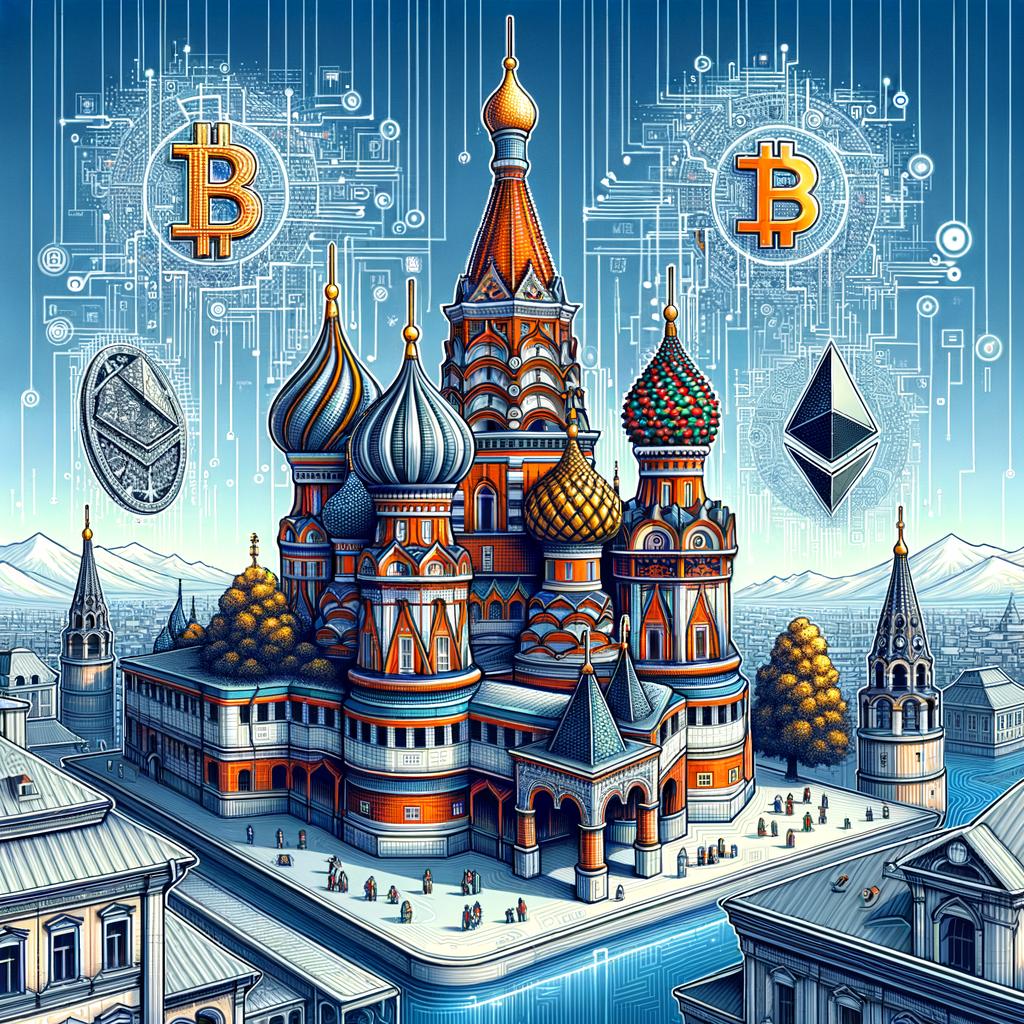
Russia Embraces Cryptocurrency: A New Frontier for Digital Assets
In recent months, Russia has taken significant strides toward integrating cryptocurrency into it’s financial landscape. this shift is marked by a growing recognition of digital assets as viable alternatives to customary currency systems.With the government exploring regulatory frameworks, the country aims to harness blockchain technology to enhance transparency and efficiency in various sectors, including finance and commerce.
The Russian government has initiated discussions surrounding the legal status of cryptocurrencies, signaling a proactive approach to foster innovation in the digital economy. Key areas of focus include:
- regulation and Compliance: Drafting comprehensive laws to govern cryptocurrency transactions and ensure consumer protection.
- Central Bank Digital Currency (CBDC): The Central Bank of Russia is investigating the launch of a digital ruble,which underscores the potential for state-backed digital currencies to coexist with decentralized assets.
- Taxation Protocols: Establishing clear guidelines for taxing cryptocurrency-related income, encouraging broader adoption and legal compliance among users.
Moreover, Russian businesses are increasingly adopting cryptocurrencies for international trade and remittances, leveraging digital assets to bypass conventional banking systems and reduce transaction costs. This trend is further fueled by the sanctions imposed on Russia, driving the need for option financial solutions.As data reveals, ther is a rising number of startups and established companies venturing into the cryptocurrency space, solidifying Russia’s position as a burgeoning hub for digital asset innovation.
Central Bank Introduces Trading Sandbox to Foster Innovation
In a significant move aimed at driving financial innovation, a central bank has announced the launch of a trading sandbox designed to provide a controlled environment for fintech companies. This initiative will enable participants to test new financial products, services, and delivery mechanisms without the immediate burden of regulatory compliance. By fostering experimentation and innovation, the sandbox is expected to catalyze the advancement of solutions that benefit both the financial system and consumers.
The trading sandbox framework is built with the following objectives in mind:
- Encouragement of Experimentation: Participants can explore innovative methods and technologies while receiving guidance from regulatory authorities.
- Enhanced Collaboration: the sandbox promotes partnerships between startups and established financial institutions, enabling knowledge sharing and reducing barriers to entry.
- Real-time Feedback Mechanism: Participants will receive timely feedback from regulators, allowing them to refine their offerings in response to market needs.
As the financial landscape continues to evolve, the trading sandbox represents a proactive approach to ensure that innovation aligns with regulatory frameworks. This initiative not only addresses the needs of a rapidly changing market but also positions the central bank as a facilitator of technological advancement in the financial sector. By taking these steps,the bank aims to strike a balance between fostering innovation and upholding regulatory integrity.
Regulatory Framework Aims to Enhance Security and Transparency
As the decentralized finance (DeFi) landscape continues to evolve,calls for a regulatory framework have intensified. Advocates argue that a well-defined set of regulations could significantly enhance security and transparency within the sector. By establishing clear guidelines, participants can better navigate the complexities of DeFi, mitigating risks associated with fraudulent schemes and technological vulnerabilities. Key stakeholders, including developers, investors, and regulators, are increasingly recognizing the need for accountability to foster trust in decentralized systems.
Implementing a regulatory framework could lead to several critically important outcomes for the DeFi ecosystem:
- Increased investor protection: Regulatory oversight can definately help safeguard users’ assets and reduce the risk of scams that have plagued the industry.
- Standardized practices: Regulations can encourage uniformity in compliance, creating a level playing field for DeFi projects and enhancing consumer confidence.
- Enhanced transparency: Requiring disclosures and audits would foster openness, allowing users to make informed decisions about their investments in various DeFi protocols.
Furthermore, the integration of regulatory measures is expected to invite traditional financial institutions into the DeFi space, possibly unlocking vast pools of capital. as banks and asset managers seek to leverage the benefits of blockchain technology and decentralized applications, a structured regulatory environment could facilitate this transition. By clarifying compliance expectations, regulators can help bridge the gap between DeFi and traditional finance, paving the way for broader acceptance and integration of innovative financial solutions.
Implications for the Global Crypto Market and Local Investors
The evolution of Bitcoin carries significant . As institutional adoption rises and regulatory frameworks become clearer, the landscape is expected to shift considerably. Increased institutional investment not only legitimizes Bitcoin as a mainstream asset but also influences its price stability and overall acceptance among the public. This entry of well-capitalized players leads to a more stable and mature market, which could reduce volatility and open doors for new financial products built around cryptocurrencies.
For local investors, the changing dynamics present both challenges and opportunities. Adapting to new market trends—such as the increasing integration of Bitcoin into traditional financial systems—can provide avenues for profitability. Additionally, investors will need to familiarize themselves with evolving regulatory measures that may impact trading and investment strategies. This adaptation will be paramount for staying competitive and ensuring compliance with local laws aimed at protecting investors in the volatile crypto space.
The potential for innovative financial technology solutions also stands to benefit local investors. As Bitcoin transitions into a more established asset class, services such as custody solutions, exchange diversification, and blockchain-based lending platforms are emerging. These tools promise to enhance user experience and accessibility. Moreover, local investors can leverage these advancements to optimize risk management and maximize returns in an increasingly interconnected and complex market.
As Russia continues to navigate the complexities of integrating cryptocurrency into its financial landscape, the introduction of a trading sandbox proposal marks a significant step towards modernization and innovation. This initiative not only positions Russia within the evolving global cryptocurrency market but also reflects a broader shift in regulatory attitudes towards digital assets. With the recent legislative approval allowing businesses to engage in international trade using Bitcoin and other cryptocurrencies, the country is set to potentially enhance its economic interactions on a global scale. As stakeholders monitor these developments closely, the implications for both domestic and international markets will unfold in the months ahead, signaling a pivotal moment in Russia’s approach to cryptocurrency and its economic future. The success of this sandbox could lay the groundwork for more comprehensive regulatory frameworks, balancing innovation with necessary oversight as Russia seeks to capitalize on the opportunities presented by the digital economy.