

In a strategic move to enhance economic sovereignty within the BRICS alliance, Russia is contemplating the establishment of commodity trading centers. This initiative aims to bolster the economic stability and influence of the BRICS nations. By deliberating on the creation of these trading hubs, Russia demonstrates its commitment to strengthening economic cooperation among the BRICS members. Stay informed as we delve into the implications and intricacies of Russia’s proposed commodity trading centers and their potential impact on the global economic landscape.
Russia Explores Creation of Commodity Trading Centers to Enhance BRICS Economic Autonomy
In a strategic move aimed at bolstering economic autonomy within the BRICS alliance, Russia is delving into the establishment of specialized commodity trading centers. These centers are envisioned to serve as pivotal hubs for facilitating trade and enhancing the economic interconnectedness of the member countries.
The initiative, spearheaded by Russian authorities, signifies a concerted effort to fortify the economic resilience of the BRICS nations. By laying the groundwork for these trading centers, Russia aims to cultivate a robust network for the exchange of commodities and goods, fostering a climate of mutual economic benefit and cooperation among alliance members.
By embracing the concept of commodity trading centers, Russia sets forth a blueprint for nurturing self-sufficiency and creating a more sustainable economic ecosystem within the BRICS coalition. These centers are poised to streamline trading processes, optimize resource utilization, and pave the way for increased collaboration and growth opportunities among the participating nations.
Potential Impact of Russias Consideration of Commodity Trading Centers on BRICS Economic Independence
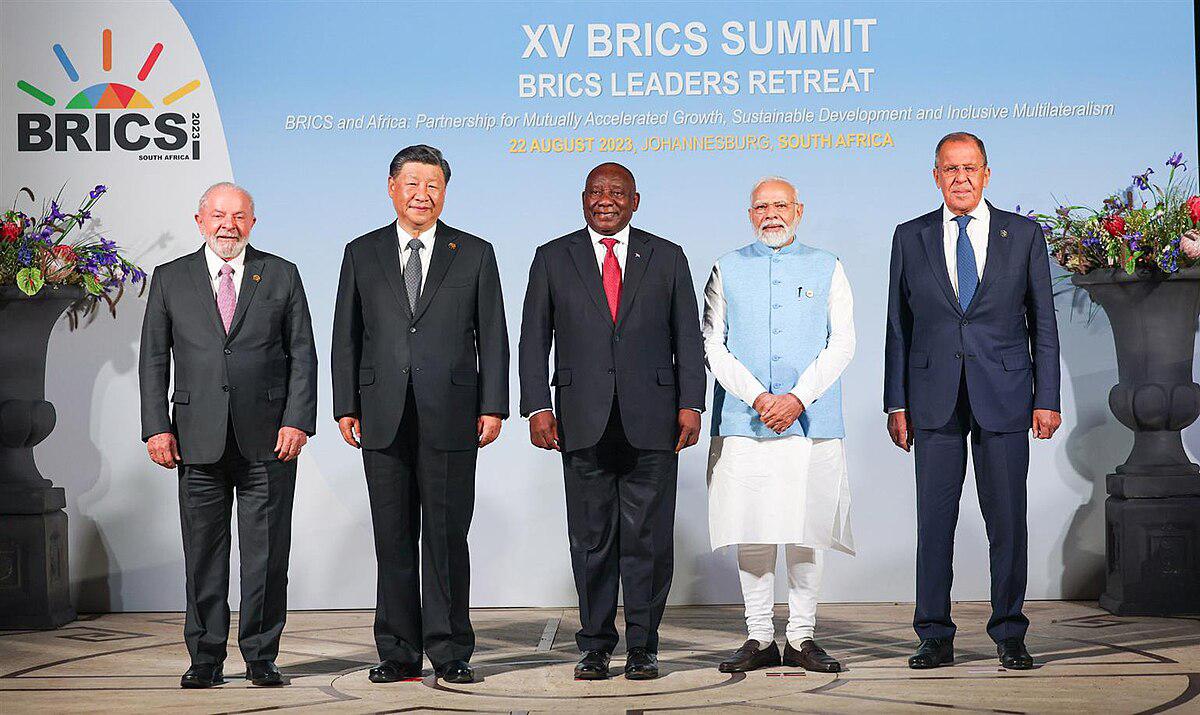
BRICS Economies Eye Strengthened Sovereignty through Russias Proposed Commodity Trading Centers
BRICS economies are showing keen interest in bolstering their sovereignty through Russia’s ambitious proposal of establishing commodity trading centers. This strategic move aims to enhance economic autonomy and strengthen the collective bargaining power of the member countries within the global marketplace. By facilitating direct trade of key commodities, such as minerals, agricultural products, and energy resources, these centers could revolutionize the trading dynamics within the alliance.
The proposed commodity trading centers are anticipated to serve as pivotal hubs for fostering intra-BRICS trade activities. Through these centers, member countries can streamline their trading processes, reduce dependence on external markets, and promote self-reliance in strategic sectors. This initiative aligns with the shared vision of the BRICS nations to diversify their economic partnerships, mitigate external vulnerabilities, and uphold their economic interests on a global scale.
Moreover, the establishment of these trading centers signifies a significant step towards strengthening the economic unity and resilience of the BRICS bloc. By promoting direct exchanges of commodities among member states, these centers aim to foster closer economic ties, enhance market stability, and pave the way for sustainable growth opportunities. This collaborative effort underscores the collective determination of BRICS economies to fortify their economic sovereignty and shape the future dynamics of global trade.
Assessing Russias Strategic Move: The Significance of Commodity Trading Centers in Boosting BRICS Economic Resilience
In a strategic maneuver that aims to bolster the economic resilience of BRICS nations, Russia’s focus on commodity trading centers holds significant implications. These centers serve as pivotal hubs for facilitating trade and investment among Brazil, Russia, India, China, and South Africa. By leveraging these trading platforms, the BRICS countries stand to enhance their economic stability and collaboration in the global market landscape.
The establishment of commodity trading centers underscores Russia’s commitment to fostering closer economic ties with its BRICS counterparts. Through these centers, the member nations can streamline the trading process for key commodities such as energy resources, metals, and agricultural products. This initiative not only simplifies the exchange of goods but also reinforces the mutual trust and cooperation essential for sustained economic growth within the BRICS bloc.
Moreover, the development of commodity trading centers signifies a shift towards diversification and resilience in the face of economic challenges. By diversifying their trading channels and reducing dependency on traditional markets, the BRICS nations can navigate uncertainties and mitigate risks more effectively. This diversification strategy aligns with the overarching goal of fortifying the economic foundations of the BRICS alliance and fostering a more robust and interconnected trade network.
Russia’s contemplation of establishing commodity trading centers to strengthen BRICS economic sovereignty reflects a strategic move towards enhancing collaboration and autonomy within the group. By fostering a platform for efficient trade and investment among BRICS nations, Russia aims to fortify the economic resilience and independence of this influential alliance. As discussions unfold regarding the potential implementation of these trading hubs, the future holds promising prospects for bolstering economic cooperation and sovereignty within the BRICS framework. Stay tuned for more developments on this significant initiative shaping the economic landscape of the BRICS member countries.