
In a notable development that underscores teh growing acceptance of cryptocurrency in everyday transactions, Romania’s postal service has installed its first Bitcoin ATM. This milestone reflects a broader trend of integrating digital currencies into conventional financial systems,providing citizens with greater access to the world of cryptocurrency. The introduction of this ATM is not only a response to the increasing demand for Bitcoin but also highlights the Romanian government’s willingness to embrace innovative financial solutions. As cryptocurrency becomes an increasingly integral part of the global economy,this initiative may pave the way for more extensive adoption among the Romanian populace,positioning the nation at the forefront of the digital currency revolution. This article will explore the implications of this new service, examine the current landscape of cryptocurrency in Romania, and assess how this move might influence the future of financial transactions in the country.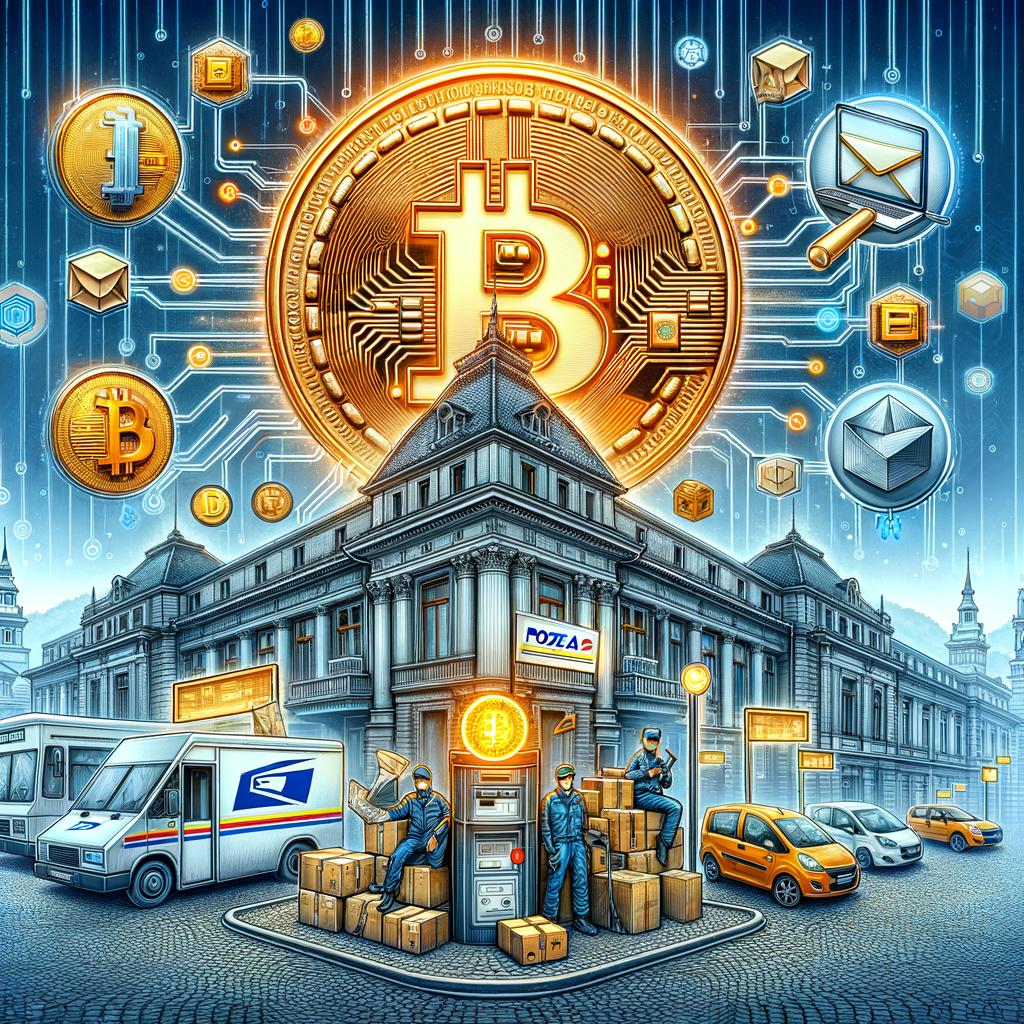
Romania’s Postal Service Embraces Digital Currency: A Historic Move
In a landmark decision that underscores the global shift towards digital innovation, Romania’s postal service has officially adopted digital currency as a means of transaction.This strategic move positions the postal service at the forefront of modern financial solutions, offering customers faster and more secure options for handling payments. the decision is expected to innovate traditional postal services and expand their operational capabilities significantly.
The introduction of digital currency facilitates a seamless payment experience for users engaging in services such as parcel delivery, bill payments, and postal savings. The Romanian postal service’s integration of cryptocurrency aims to cater to a growing demographic of tech-savvy consumers. Ultimately, this will enhance customer convenience while keeping pace with global trends in financial technology.
Experts suggest that this initiative could yield numerous benefits, including:
- Increased Efficiency: Digitizing transactions cuts down processing time and reduces operational costs.
- Enhanced Security: Blockchain technology used in cryptocurrencies offers robust security features that minimize fraud risk.
- Market Competitiveness: By embracing digital currencies, Romania’s postal service is likely to attract younger consumers who prefer technology-driven solutions.
The move has been well-received by both market analysts and consumers alike, who recognize its potential to revolutionize traditional practices within postal and financial services. Not only does this initiative reflect Romania’s commitment to embracing technological advancements, but it also showcases the growing acceptance of digital currency on a national scale, paving the way for further innovations in the sector.
The Introduction of Bitcoin ATMs: Revolutionizing Transactions
Recent developments in the financial landscape have introduced a game-changing technology: Bitcoin atms. These machines have been designed to facilitate seamless transactions between cash and the popular cryptocurrency, allowing users to buy or sell Bitcoin with ease. As more individuals seek to engage with digital currencies, the global proliferation of Bitcoin ATMs signals a growing acceptance and integration of cryptocurrency into everyday financial activities.
What sets Bitcoin ATMs apart from traditional exchanges is their convenience and accessibility. Users can walk up to a machine, make a transaction, and receive their Bitcoin almost instantly. this process democratizes access to cryptocurrency, catering to those who may lack the technical know-how to navigate online exchanges. With Bitcoin ATMs strategically placed in urban areas, they are set to attract a broad spectrum of users, from seasoned traders to first-time adopters.
Moreover, the introduction of Bitcoin ATMs addresses concerns surrounding anonymity and security. Many transactions through these machines can be conducted without extensive personal information,offering a level of privacy that appeals to numerous users. Additionally, the machines incorporate advanced security features, including encryption and surveillance, to ensure the safety of users’ funds. These factors contribute to a more user-kind experience that can foster greater trust in cryptocurrency transactions.
As the number of Bitcoin ATMs continues to increase, it highlights a pivotal shift in how businesses and consumers alike perceive cryptocurrency. The rise of these machines is not merely a technical innovation; it marks a cultural movement toward the acceptance of Bitcoin as a form of currency. This evolution potentially sets the stage for increased adoption and a deeper integration of digital assets in our day-to-day lives.
How the Bitcoin ATM Works: A Step Towards Financial Innovation
The Bitcoin ATM represents a significant advancement in the way individuals can interact with cryptocurrency. This technology facilitates easier access to Bitcoin, catering to a growing audience that seeks to navigate the complexities of digital currencies. Unlike traditional atms that dispense cash, Bitcoin ATMs allow users to purchase or sell Bitcoin using either cash or debit/credit cards. The simplicity and convenience of this process attract many who might or else feel intimidated by the intricacies of crypto exchanges.
At a typical Bitcoin ATM, users initiate the transaction by selecting their desired operation, either to buy or sell Bitcoin. If purchasing, users are asked to input their Bitcoin wallet address, which can be done by scanning a QR code or entering it manually. Once the wallet address is confirmed, individuals insert cash or swipe their card to complete the transaction. the ATM will then generate a QR code for the user to scan,verifying that the Bitcoin has been sent to their wallet. This immediate and tangible aspect of transactions greatly enhances user confidence and promotes the cash-in-hand approach appreciated by many consumers.
Security features at Bitcoin ATMs are paramount,as they must protect users’ funds and personal information.Many ATMs require identity verification, such as a phone number confirmation or even biometric scanning, ensuring compliance with regulations aimed at preventing money laundering and fraud. Additionally, reputable ATM operators frequently enough implement advanced encryption technologies to secure transaction data. These measures serve to create a trustworthy environment for users engaging in Bitcoin transactions, further fostering the growth of cryptocurrency adoption.
As Bitcoin ATMs continue to proliferate globally, they pave the way for broader acceptance of Bitcoin as a legitimate financial asset. This ease of accessibility eliminates barriers for individuals who may not have had prior experience with digital currencies.The transition toward these machines illustrates a significant shift in the financial landscape, where traditional banking methods are beginning to coexist with innovative cryptocurrency technologies. As demand for Bitcoin rises and more ATMs appear, the financial ecosystem is poised for a revolutionary change, one that empowers individuals with more options for managing their digital assets.
Implications for the Romanian Economy: the Future of digital Currency Adoption
The integration of digital currencies such as Bitcoin into the Romanian economy holds several implications that could reshape financial transactions,investment strategies,and regulatory frameworks. As digital currencies gain popularity worldwide,romania stands at a crossroads,with opportunities and challenges that could influence its economic landscape significantly. Key areas of impact include:
- Enhanced Transaction Efficiency: The adoption of Bitcoin can streamline and expedite payment processes for businesses and consumers.By reducing the reliance on traditional banking systems and their associated fees, transactions can occur more swiftly, fostering a more dynamic market environment.
- Attracting Foreign Investment: Embracing digital currencies may position Romania as an attractive destination for foreign investors seeking to capitalize on the cryptocurrency market. This influx of investment could lead to increased economic growth and job creation in various sectors associated with technology and finance.
- Financial Inclusion: Digital currencies offer a pathway to financial services for underbanked populations. In rural areas where traditional banking infrastructure may be lacking, Bitcoin can provide easier access to financial resources, promoting greater economic participation among diverse demographics.
- Regulatory Challenges: The rise of digital currencies is accompanied by the need for complete regulatory frameworks to ensure consumer protection, mitigate risks associated with volatility, and prevent illicit activities. Policymakers must navigate the balancing act of fostering innovation while safeguarding the financial system.
As Romania continues to explore the implications of adopting digital currencies,it is crucial for stakeholders-including government agencies,financial institutions,and the public-to engage in discussions about the future of money.By assessing both the potential benefits and risks of Bitcoin adoption, Romania can strategically position itself within the global economy, potentially becoming a hub for digital currency innovation in Eastern Europe.
Romania’s Postal Service has taken a significant step into the digital age by installing its first Bitcoin ATM, a development that underscores the growing acceptance of cryptocurrencies in traditional sectors. This initiative not only caters to the increasing demand for digital currency transactions but also positions Romania as a forward-thinking player in the evolving financial landscape. as more institutions look to integrate blockchain technology and cryptocurrencies into their operations, the implications for both consumers and the economy could be profound. the installation of the Bitcoin ATM marks a noteworthy entry point for many Romanians, potentially paving the way for broader acceptance and use of digital currencies in everyday transactions. As this trend continues to unfold, it will be crucial to monitor how such innovations impact the national and global economy.