
Ripple and BCG Project a Transformative $18.9 Trillion Tokenized Asset Market by 2033
In a groundbreaking report, Ripple and the Boston Consulting Group (BCG) have unveiled enterprising projections suggesting that the tokenized asset market could reach an astounding $18.9 trillion by the year 2033. This projection not only highlights the growing significance of blockchain technology in mainstream financial systems but also underscores the transformative potential of digital assets across various sectors, including real estate, finance, and commodities. As customary assets are increasingly digitized, Ripple aims to lead the charge by providing the infrastructure necessary for seamless transactions and enhanced liquidity.This article delves into the implications of this forecast, exploring the factors driving the tokenization trend, the challenges that lie ahead, and the crucial role Ripple is poised to play in shaping the future of finance.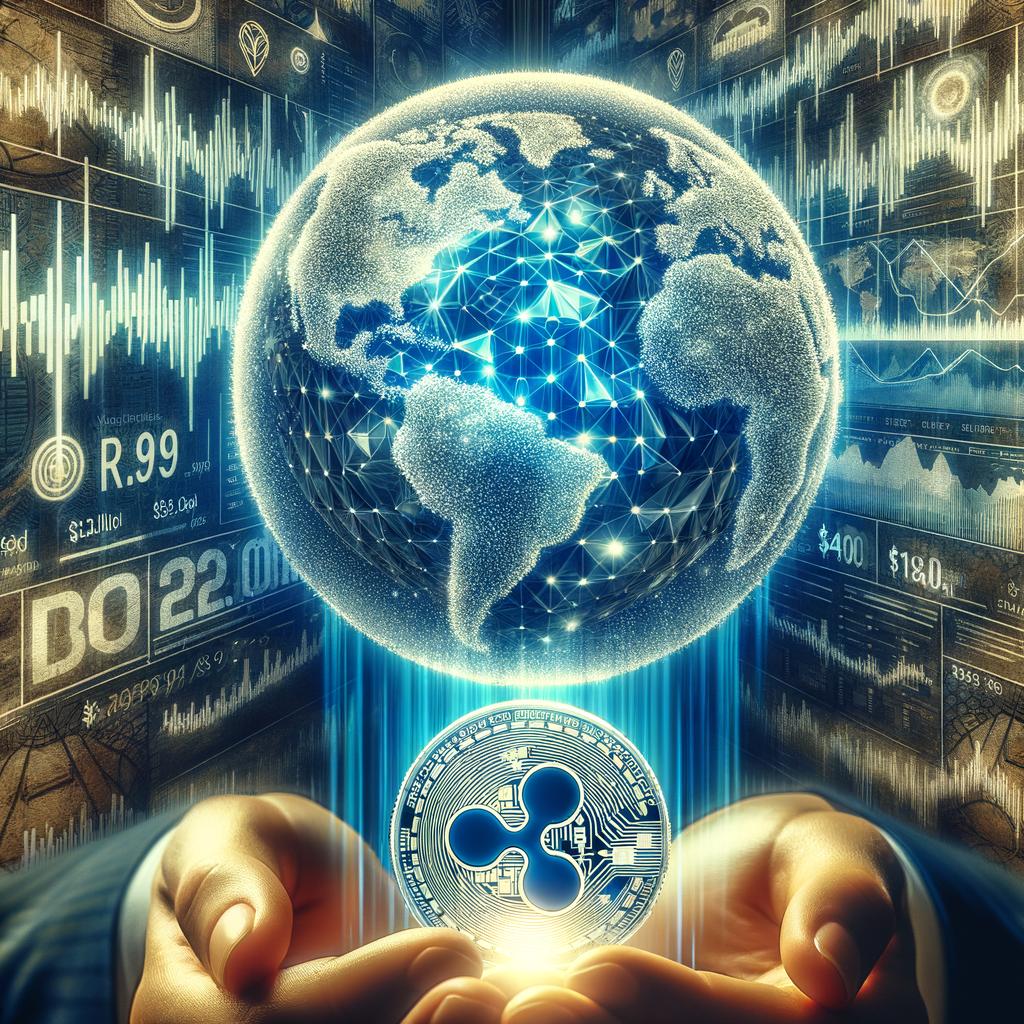
Ripple and the Future of Tokenization: Projecting a $18.9 Trillion Market by 2033
the landscape of tokenization is witnessing a transformative shift, with Ripple positioned strategically at the forefront of this evolution. As traditional financial systems increasingly embrace blockchain technology, the potential for tokenization to streamline processes and enhance efficiency becomes evident. Ripple’s robust platform facilitates secure cross-border transactions, paving the way for innovative solutions in various sectors such as finance, supply chain, and real estate.Stakeholders are beginning to recognise that tokenization could unlock unprecedented value, leading to important market expansion in the years to come.
Market analysts project that the tokenization market could reach an astounding $18.9 trillion by 2033. This surge is driven by several factors,including the growing demand for digital assets,increased investor interest,and developments in regulatory frameworks that promote adoption.As businesses begin to understand the benefits of tokenizing assets, such as improved liquidity and fractional ownership, the shift towards a tokenized economy becomes more palpable.Ripple’s technology is particularly well-suited for these developments, offering scalability and interoperability that are vital for widespread adoption.
Furthermore, the rise of Central Bank Digital Currencies (CBDCs) is likely to fuel the momentum of tokenization. as governments worldwide explore their own digital currencies, the need for a comprehensive and adaptable platform becomes paramount. ripple’s established network and innovative solutions position it as a key player in facilitating the integration of CBDCs with existing financial ecosystems. By embracing these advancements and addressing the complexities of tokenization, Ripple not only elevates its own standing but also contributes to a broader shift towards a more inclusive and efficient financial landscape.
The Role of Blockchain in Transforming Traditional Assets
The advent of blockchain technology has initiated a transformative wave across various traditional asset classes, shifting paradigms that have persisted for decades. By introducing a decentralized ledger system, blockchain enhances clarity and traceability, reducing the opacity that frequently enough plagues conventional investment transactions. This increased visibility promotes greater trust among investors and stakeholders, thereby fostering a more robust financial ecosystem.
Additionally, blockchain has the potential to democratize access to traditionally illiquid assets.Through the tokenization of real estate, commodities, and even art, a broader range of investors can partake in markets that were once limited to high-net-worth individuals or institutional players. The fractional ownership enabled by tokenization allows for smaller investment increments, breaking down barriers and promoting inclusivity. this shift also enhances liquidity, enabling faster transactions and reducing the costs associated with buying and selling assets.
Furthermore, the integration of smart contracts within blockchain systems stands to streamline processes by automating transactions once bogged down by intermediaries. These self-executing contracts facilitate trustworthy agreements without the need for a central authority, thereby mitigating risks of fraud and disputes. By reducing reliance on traditional custodians and regulators, blockchain positions itself as a revolutionary tool that not only improves operational efficiencies but also empowers individuals and businesses alike to engage in seamless asset exchanges.
Insights from BCG: Key Drivers Behind Tokenized asset Growth
The rise of tokenized assets has emerged as a significant trend in the financial landscape, driven by a blend of technological advancements and changing market demands.Blockchain technology serves as the backbone for these assets, ensuring transparency, security, and efficiency in transactions. this foundational technology enables fractional ownership,allowing investors to engage in asset classes previously deemed inaccessible,thus broadening the investment pool. Additionally, regulatory clarity in various jurisdictions is fostering an environment where tokenized assets can operate within established legal frameworks, encouraging institutional participation.
Another critical factor contributing to this trend is the growing appetite for liquidity among investors. Tokenized assets can be traded on decentralized platforms,providing the ability to execute transactions quickly and seamlessly. This greater liquidity appeals to a wider range of investors,from individuals to large institutions,who are seeking to diversify their portfolios while reducing their reliance on traditional financial systems. Moreover, the potential for increased market efficiency through reduced settlement times and lower transaction costs cannot be overlooked.
Moreover, the integration of digital identities and fintech solutions into the asset tokenization process enhances user experiance and engagement. As digital tools become more elegant, they allow for streamlined onboarding and verification processes, making it easier for users to participate in tokenized asset markets. This user-centric approach not only democratizes access to investment opportunities but also fosters a culture of innovation that is inherently linked to the evolving landscape of financial technology. The interplay of these drivers sets the stage for a robust future for tokenized assets, reshaping how investments are perceived and executed.
As we stand on the brink of a transformative era in finance, Ripple and the Boston consulting Group’s ambitious projection of an $18.9 trillion tokenized asset market by 2033 signals a monumental shift in how assets are conceptualized, traded, and valued. This collaborative vision not only highlights the growing influence of blockchain technology but also sets the stage for innovative financial solutions that promise increased efficiency, transparency, and accessibility in capital markets. As stakeholders from various industries prepare to adapt to this new landscape, ongoing dialogue and strategic partnerships will be crucial in navigating the complexities inherent in this rapidly evolving domain. The journey towards tokenization is just beginning, and its implications will undoubtedly shape the future of investment and financial transactions for decades to come. For continued insights and analyses on developments in the crypto and financial sectors,stay connected with us at The Bitcoin Street Journal.